
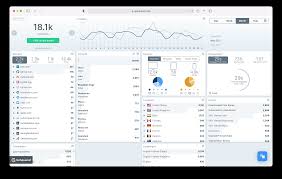
The Power of Analytics in Driving Business Success
In today’s digital age, data is king. Businesses that harness the power of analytics gain a competitive edge by making informed decisions based on real-time insights. Analytics, the systematic computational analysis of data, provides invaluable information that can drive business success in various ways.
Understanding Customer Behaviour
Analytics allows businesses to gain a deep understanding of customer behaviour. By tracking and analysing user interactions on websites, mobile apps, and social media platforms, businesses can identify patterns, preferences, and trends. This insight enables them to tailor their products and services to meet customer needs effectively.
Optimising Marketing Strategies
With analytics, businesses can measure the performance of their marketing campaigns with precision. By tracking key metrics such as conversion rates, click-through rates, and return on investment (ROI), companies can optimise their marketing strategies for maximum impact and efficiency.
Improving Operational Efficiency
Analytics also plays a crucial role in improving operational efficiency. By analysing data related to supply chain management, inventory levels, and production processes, businesses can identify bottlenecks, streamline operations, and reduce costs. This leads to increased productivity and profitability.
Enhancing Decision-Making
One of the most significant benefits of analytics is its ability to enhance decision-making. By providing accurate data-driven insights, analytics empowers business leaders to make informed decisions quickly and confidently. This proactive approach enables companies to stay ahead of the competition and adapt to changing market dynamics effectively.
Conclusion
Analytics is a powerful tool that can transform how businesses operate and succeed in today’s fast-paced digital landscape. By leveraging analytics effectively, companies can gain a competitive advantage, drive growth, and achieve long-term success. Embracing analytics is not just an option but a necessity for businesses looking to thrive in the digital age.
Unlocking Business Success: 9 Key Benefits of Analytics
- Provides valuable insights into customer behaviour
- Helps businesses make data-driven decisions
- Optimises marketing strategies for better ROI
- Improves operational efficiency and reduces costs
- Identifies trends and patterns for strategic planning
- Enhances personalised customer experiences
- Measures the effectiveness of business initiatives accurately
- Enables proactive problem-solving and risk mitigation
- Drives continuous improvement and innovation
Challenges in Analytics: Navigating Privacy, Costs, Complexity, and Data Dependency
- Data Privacy Concerns
- Costly Implementation
- Complexity
- Risk of Misinterpretation
- Dependency on Data Quality
- Overwhelming Amount of Data
Provides valuable insights into customer behaviour
Analytics is a game-changer for businesses as it provides invaluable insights into customer behaviour. By analysing user interactions across various digital platforms, businesses can uncover patterns, preferences, and trends that offer a deep understanding of their target audience. This knowledge enables companies to tailor their products and services to meet customer needs effectively, enhance user experience, and build long-lasting relationships with their clientele. Ultimately, leveraging analytics to gain insights into customer behaviour empowers businesses to make informed decisions that drive growth and success in today’s competitive market landscape.
Helps businesses make data-driven decisions
Analytics plays a crucial role in helping businesses make data-driven decisions. By analysing and interpreting vast amounts of data, businesses can gain valuable insights into customer behaviour, market trends, and operational performance. This enables companies to make informed decisions based on concrete evidence rather than gut feelings or guesswork. Utilising analytics empowers businesses to identify opportunities, mitigate risks, and optimise strategies for sustainable growth and success in an increasingly competitive business environment.
Optimises marketing strategies for better ROI
Analytics plays a pivotal role in optimising marketing strategies to achieve better return on investment (ROI). By leveraging data-driven insights provided by analytics, businesses can precisely measure the performance of their marketing campaigns, identify what works and what doesn’t, and make informed decisions to maximise the effectiveness of their marketing efforts. This strategic approach not only helps in allocating resources more efficiently but also enables businesses to refine their strategies continuously for improved ROI, ultimately leading to enhanced profitability and sustainable growth.
Improves operational efficiency and reduces costs
Analytics plays a pivotal role in improving operational efficiency and reducing costs for businesses. By analysing data related to various aspects of operations, such as supply chain management, inventory levels, and production processes, companies can identify inefficiencies and streamline their operations. This data-driven approach enables businesses to make informed decisions that lead to increased productivity, reduced waste, and ultimately lower costs. By leveraging analytics to enhance operational efficiency, businesses can achieve greater profitability and sustainable growth in the long run.
Identifies trends and patterns for strategic planning
Analytics is a game-changer for businesses as it excels in identifying trends and patterns crucial for strategic planning. By analysing data sets, businesses can uncover valuable insights that reveal emerging trends, recurring patterns, and potential opportunities. This information empowers decision-makers to make informed choices, develop effective strategies, and stay ahead of the curve in a rapidly evolving market landscape. Leveraging analytics to identify trends and patterns is key to driving proactive decision-making and formulating successful long-term strategic plans.
Enhances personalised customer experiences
Analytics plays a pivotal role in enhancing personalised customer experiences by providing businesses with valuable insights into individual preferences, behaviours, and interactions. By leveraging data analytics, companies can create targeted marketing campaigns, customise product recommendations, and deliver tailored content that resonates with each customer on a personal level. This level of personalisation not only strengthens customer relationships but also increases engagement, loyalty, and ultimately drives business growth.
Measures the effectiveness of business initiatives accurately
Analytics serves as a critical tool in accurately measuring the effectiveness of business initiatives. By analysing key metrics and performance indicators, businesses can gain valuable insights into the impact of their strategies and initiatives. This data-driven approach enables companies to make informed decisions, identify successful tactics, and refine their future plans for optimal results. With analytics, businesses can track progress, evaluate outcomes objectively, and ensure that resources are allocated efficiently to drive continuous improvement and success.
Enables proactive problem-solving and risk mitigation
Analytics empowers businesses to engage in proactive problem-solving and risk mitigation by providing valuable insights derived from data analysis. By identifying patterns, trends, and potential issues in advance, companies can take pre-emptive measures to address challenges before they escalate. This proactive approach not only helps businesses avoid costly setbacks but also allows them to make informed decisions that mitigate risks and enhance operational resilience. Leveraging analytics for proactive problem-solving is a strategic advantage that enables businesses to stay agile, responsive, and prepared in an ever-evolving business environment.
Drives continuous improvement and innovation
Analytics serves as a catalyst for driving continuous improvement and fostering innovation within businesses. By analysing data insights and performance metrics, organisations can identify areas for enhancement, refine processes, and uncover new opportunities for growth. This iterative cycle of analysis, implementation, and evaluation enables companies to adapt to changing market demands, stay ahead of the curve, and foster a culture of innovation that propels them towards sustained success in today’s dynamic business landscape.
Data Privacy Concerns
Data Privacy Concerns: One significant con of analytics is the potential breach of data privacy. The collection and analysis of sensitive information as part of analytics processes can raise legitimate concerns about the protection and security of personal data. This issue becomes even more critical in light of increasing regulations and scrutiny surrounding data privacy, highlighting the importance of implementing robust measures to safeguard sensitive information from unauthorized access or misuse.
Costly Implementation
The implementation of analytics tools and systems can pose a significant challenge for businesses, particularly small enterprises operating on limited budgets. The cost of setting up and maintaining sophisticated analytics infrastructure can be prohibitive, making it a considerable con for businesses seeking to leverage data-driven insights. Small businesses may find it challenging to justify the expense of implementing analytics solutions, potentially hindering their ability to harness the full potential of data analytics in driving informed decision-making and strategic growth initiatives.
Complexity
The complexity of analytics presents a significant challenge for non-technical users. Analytics tools typically demand specialised knowledge for proper setup and accurate interpretation of data. This requirement can create a barrier for individuals without a technical background, limiting their ability to leverage analytics effectively. The intricate nature of analytics tools may deter non-technical users from fully utilising the valuable insights that data analysis can provide, highlighting the need for user-friendly solutions and accessible training resources to bridge this knowledge gap.
Risk of Misinterpretation
One significant con of analytics is the risk of misinterpretation. Misinterpreting analytics data can lead to erroneous conclusions and misguided business decisions. When data is not analysed accurately or in the right context, businesses may draw incorrect insights that could have detrimental effects on their strategies and outcomes. It is crucial for organisations to ensure that they have the necessary expertise and understanding to interpret analytics data correctly to avoid making costly mistakes based on flawed interpretations.
Dependency on Data Quality
One significant drawback of analytics is the dependency on data quality. The effectiveness and trustworthiness of analytics insights are inherently linked to the accuracy and reliability of the data collected. Unfortunately, this data quality can be compromised by errors, inconsistencies, or biases in the data collection process. Such inaccuracies can lead to misleading conclusions and flawed decision-making, highlighting the importance of ensuring data integrity and addressing potential biases to derive meaningful insights from analytics effectively.
Overwhelming Amount of Data
The overwhelming amount of data produced by analytics tools presents a significant challenge for businesses. Sorting through vast quantities of information can be a daunting task, often leading to difficulties in extracting valuable insights efficiently. The sheer volume of data can create a sense of information overload, making it challenging for businesses to pinpoint relevant trends and patterns amidst the noise. This con of analytics underscores the importance of implementing robust data management strategies and tools to streamline the analysis process and derive actionable conclusions effectively.