
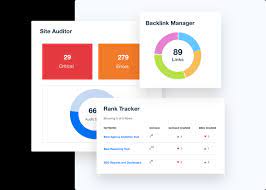
The Power of SEO Analytics Tools
In the dynamic world of digital marketing, staying ahead of the competition requires a deep understanding of your website’s performance and how users interact with it. This is where SEO analytics tools come into play, offering invaluable insights that can drive your online success to new heights.
SEO analytics tools provide a comprehensive overview of your website’s performance in search engine results pages (SERPs). By analysing key metrics such as organic traffic, keyword rankings, backlinks, and user engagement, these tools empower you to make data-driven decisions that can significantly impact your search visibility and overall online presence.
One of the primary benefits of using SEO analytics tools is the ability to track and measure the effectiveness of your SEO strategies. By monitoring changes in key metrics over time, you can identify what’s working well and what areas need improvement. This data-driven approach allows you to refine your SEO tactics and focus on activities that yield the best results.
Furthermore, SEO analytics tools enable you to conduct in-depth keyword research to identify high-potential keywords for your content strategy. By understanding which keywords have high search volumes and low competition, you can create targeted content that resonates with your target audience and drives organic traffic to your website.
Additionally, these tools provide valuable insights into your competitors’ strategies, allowing you to benchmark your performance against industry peers and uncover opportunities for growth. By analysing competitor keywords, backlink profiles, and content strategies, you can gain a competitive edge and enhance your own SEO efforts.
In conclusion, SEO analytics tools are essential for any business looking to maximise its online visibility and drive sustainable growth. By leveraging the power of data-driven insights, these tools empower you to optimise your website for search engines, attract qualified traffic, and ultimately achieve your digital marketing goals.
9 Essential Tips for Optimising SEO Analytics: A Comprehensive Guide
- Regularly monitor key performance indicators (KPIs) such as organic traffic, keyword rankings, and backlink profile.
- Utilize Google Analytics to track website traffic and user behaviour to identify areas for improvement.
- Use tools like SEMrush or Ahrefs to conduct in-depth keyword research and competitor analysis.
- Set up Google Search Console to monitor your site’s presence in Google search results and address any issues.
- Track the effectiveness of your SEO efforts by measuring conversion rates and goal completions through analytics tools.
- Implement tracking codes such as Google Tag Manager for accurate data collection and analysis.
- Utilise heatmaps and user recordings from tools like Hotjar to understand how users interact with your website.
- Regularly audit your website for technical SEO issues using tools like Screaming Frog or Sitebulb.
- Stay updated on industry trends and algorithm changes to adapt your SEO strategy accordingly.
Regularly monitor key performance indicators (KPIs) such as organic traffic, keyword rankings, and backlink profile.
To maximise the effectiveness of SEO analytics tools, it is crucial to regularly monitor key performance indicators (KPIs) such as organic traffic, keyword rankings, and backlink profile. By consistently tracking these metrics, businesses can gain valuable insights into the performance of their website in search engine results pages (SERPs). Monitoring organic traffic helps assess the volume and quality of visitors coming to the site through non-paid search results, while tracking keyword rankings enables businesses to understand how well their content is ranking for targeted search terms. Additionally, keeping an eye on the backlink profile helps identify opportunities for building high-quality links that can boost search visibility and domain authority. Regular monitoring of these KPIs allows businesses to make informed decisions and adapt their SEO strategies for optimal results.
Utilize Google Analytics to track website traffic and user behaviour to identify areas for improvement.
By utilising Google Analytics as a powerful SEO analytics tool, you can effectively track website traffic and user behaviour to pinpoint areas for enhancement. By analysing key metrics such as page views, bounce rates, and user engagement, you can gain valuable insights into how visitors interact with your site. This data-driven approach enables you to identify strengths and weaknesses in your online presence, allowing you to make informed decisions to optimise your website for better performance and increased visibility in search engine results.
Use tools like SEMrush or Ahrefs to conduct in-depth keyword research and competitor analysis.
To elevate your SEO strategy, consider utilising powerful tools such as SEMrush or Ahrefs for conducting comprehensive keyword research and competitor analysis. By leveraging the robust features of these tools, you can uncover high-potential keywords, analyse search trends, and gain valuable insights into your competitors’ strategies. This data-driven approach enables you to refine your content strategy, target relevant keywords with high search volumes, and stay ahead of the competition in the ever-evolving digital landscape.
Set up Google Search Console to monitor your site’s presence in Google search results and address any issues.
Setting up Google Search Console is a crucial step in effectively managing your website’s performance in Google search results. By monitoring key metrics such as search impressions, click-through rates, and indexing status, you can gain valuable insights into how your site is performing and identify any potential issues that may be impacting its visibility. With Google Search Console, you can address issues such as crawl errors, mobile usability issues, and security issues promptly, ensuring that your site remains optimised for search engines and providing a seamless user experience for visitors.
Track the effectiveness of your SEO efforts by measuring conversion rates and goal completions through analytics tools.
To enhance the impact of your SEO strategies, it is crucial to track the effectiveness of your efforts by measuring conversion rates and goal completions using analytics tools. By monitoring how well your website visitors convert into leads or customers, you can gain valuable insights into the performance of your SEO campaigns. Understanding which tactics drive the most conversions allows you to refine your strategies and focus on activities that yield the best results, ultimately maximising the return on your SEO investment.
Implement tracking codes such as Google Tag Manager for accurate data collection and analysis.
To enhance the precision of data collection and analysis using SEO analytics tools, it is recommended to implement tracking codes like Google Tag Manager. By incorporating tracking codes effectively, businesses can ensure accurate monitoring of user interactions, website performance, and campaign effectiveness. Google Tag Manager streamlines the process of managing multiple tracking codes, allowing for seamless integration and improved data accuracy. This proactive approach not only enhances the reliability of insights gathered but also enables informed decision-making to optimise SEO strategies for maximum impact.
Utilise heatmaps and user recordings from tools like Hotjar to understand how users interact with your website.
To enhance your understanding of user behaviour on your website, consider utilising heatmaps and user recordings from tools such as Hotjar. By incorporating these features into your SEO analytics toolkit, you can gain valuable insights into how users navigate and interact with your site. Heatmaps visually represent areas of high and low user engagement, highlighting where visitors focus their attention. User recordings offer a real-time view of individual sessions, allowing you to observe firsthand how users move through your website. By leveraging these tools, you can make informed decisions to optimise user experience, improve site usability, and ultimately enhance your website’s performance in search engine results.
Regularly audit your website for technical SEO issues using tools like Screaming Frog or Sitebulb.
Regularly auditing your website for technical SEO issues is a crucial step in maintaining a healthy online presence and ensuring optimal search engine performance. Tools such as Screaming Frog or Sitebulb provide invaluable insights into the technical aspects of your website, allowing you to identify and address issues that may be hindering your SEO efforts. By conducting regular audits, you can uncover issues such as broken links, duplicate content, or slow page speed that could impact your search rankings. Addressing these technical SEO issues promptly can help improve your website’s overall performance and enhance its visibility in search engine results pages.
Stay updated on industry trends and algorithm changes to adapt your SEO strategy accordingly.
Staying updated on industry trends and algorithm changes is crucial when utilising SEO analytics tools. By remaining informed about the latest developments in the digital landscape, you can adapt your SEO strategy effectively to align with current best practices and algorithm updates. This proactive approach not only ensures that your website remains competitive in search engine rankings but also allows you to capitalise on emerging opportunities and stay ahead of the curve in the ever-evolving world of SEO.