
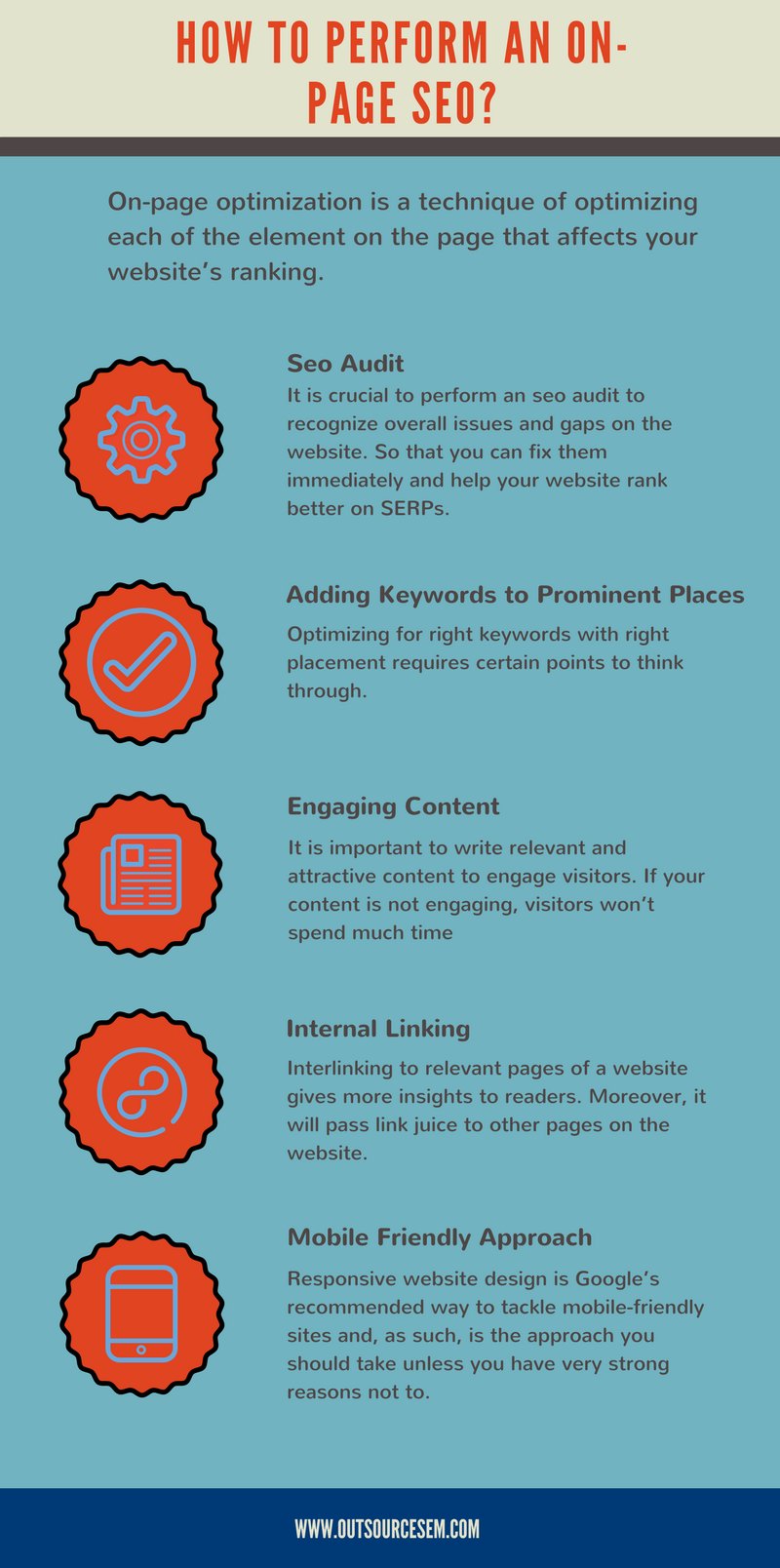
The Importance of SEO On-Page Optimization
Search Engine Optimization (SEO) is a crucial aspect of any digital marketing strategy. Within the realm of SEO, on-page optimization plays a significant role in enhancing a website’s visibility and ranking on search engine results pages (SERPs).
What is On-Page Optimization?
On-page optimization involves optimizing various elements within a website to improve its search engine rankings. This includes optimizing content, meta tags, headings, images, URLs, and internal linking structure.
Key Aspects of On-Page Optimization:
- Keyword Research: Identifying relevant keywords that your target audience is searching for.
- Optimized Content: Creating high-quality, keyword-rich content that provides value to users.
- Title Tags and Meta Descriptions: Crafting compelling title tags and meta descriptions that accurately describe the page’s content.
- Heading Tags: Using proper heading tags (H1, H2, H3) to structure content and improve readability.
- Image Optimization: Optimizing images with descriptive filenames and alt text to improve accessibility and SEO.
- URL Structure: Creating SEO-friendly URLs that are concise and include relevant keywords.
- Internal Linking: Building a logical internal linking structure to help search engines navigate and index your site effectively.
The Benefits of On-Page SEO:
Effective on-page optimization can lead to improved organic search visibility, higher search engine rankings, increased organic traffic, better user experience, and ultimately higher conversion rates. By focusing on on-page SEO best practices, businesses can establish a strong online presence and attract more qualified leads.
In Conclusion
In conclusion, on-page optimization is a fundamental component of any successful SEO strategy. By implementing best practices for on-page SEO, businesses can enhance their website’s visibility, attract more organic traffic, and achieve sustainable long-term success in the competitive digital landscape.
Essential FAQs on On-Page SEO Optimisation: Understanding, Implementing, and Benefits
- What is on-page optimization in SEO?
- Why is on-page optimization important for SEO?
- How do I conduct keyword research for on-page optimization?
- What are the key elements of on-page optimization?
- How can I optimize content for on-page SEO?
- What are the benefits of implementing on-page SEO best practices?
What is on-page optimization in SEO?
On-page optimization in SEO refers to the process of optimizing various elements within a website to improve its search engine rankings and visibility. This includes strategically incorporating relevant keywords into the content, meta tags, headings, and URLs, as well as optimizing images and internal linking structure. By focusing on on-page optimization, businesses can enhance their website’s relevance to search engines, making it easier for users to find valuable information and improving the overall user experience. Effective on-page optimization is essential for boosting organic traffic, increasing search engine rankings, and ultimately driving conversions on a website.
Why is on-page optimization important for SEO?
On-page optimization is crucial for SEO as it directly impacts a website’s visibility and ranking on search engine results pages. By fine-tuning various on-page elements such as content, meta tags, headings, images, URLs, and internal linking structure, businesses can effectively communicate the relevance of their web pages to search engines. This optimisation process helps search engines better understand the content of a website, index it accurately, and rank it higher for relevant search queries. Ultimately, on-page optimization enhances user experience, increases organic traffic, and boosts conversion rates by making a website more accessible and valuable to both users and search engines alike.
How do I conduct keyword research for on-page optimization?
Conducting keyword research for on-page optimization is a critical step in enhancing a website’s search engine visibility. To begin, identify relevant keywords that align with your target audience’s search intent and are related to your content or products. Utilize keyword research tools such as Google Keyword Planner, SEMrush, or Ahrefs to explore keyword volume, competition level, and potential variations. Look for long-tail keywords that are specific and have lower competition but higher relevance to your content. Consider user intent and aim to incorporate a mix of informational, navigational, and transactional keywords within your content to cater to different search queries effectively. Regularly monitor keyword performance and make adjustments based on data insights to continually improve your on-page optimization strategy.
What are the key elements of on-page optimization?
When it comes to on-page optimization in SEO, understanding the key elements is essential for improving a website’s search engine visibility. The crucial components of on-page optimization include conducting thorough keyword research to target relevant search terms, creating high-quality and engaging content that resonates with the target audience, optimizing title tags and meta descriptions for accurate representation of page content, utilizing proper heading tags to structure information effectively, optimizing images with descriptive alt text, ensuring a user-friendly URL structure that includes relevant keywords, and implementing a strategic internal linking strategy to enhance website navigation and indexation. By focusing on these key elements of on-page optimization, businesses can enhance their online presence and attract valuable organic traffic.
How can I optimize content for on-page SEO?
When it comes to optimizing content for on-page SEO, there are several key strategies to consider. Firstly, conducting thorough keyword research to identify relevant and high-impact keywords is crucial. Integrating these keywords strategically throughout the content, including in headings, subheadings, and meta tags, helps search engines understand the context of the page. Crafting engaging and informative content that provides value to users while incorporating targeted keywords naturally is essential. Additionally, structuring the content with proper heading tags and ensuring a logical internal linking strategy can further enhance on-page SEO performance. By focusing on these aspects and adhering to best practices, businesses can effectively optimize their content for improved search engine visibility and organic traffic.
What are the benefits of implementing on-page SEO best practices?
Implementing on-page SEO best practices offers a multitude of benefits for websites aiming to improve their search engine visibility and user experience. By adhering to on-page optimization techniques such as keyword research, content optimization, meta tag improvements, and internal linking strategies, businesses can enhance their organic search rankings, attract more targeted traffic, increase user engagement, and ultimately drive higher conversion rates. Additionally, implementing on-page SEO best practices helps search engines better understand and index website content, leading to improved relevance and visibility in search results. Overall, the benefits of implementing on-page SEO best practices are manifold and essential for achieving long-term success in the competitive online landscape.