
How to Build an Effective Search Engine Optimisation (SEO) Strategy
A strong search engine optimisation (SEO) strategy helps your website reach people who are actively looking for your products, services or expertise. Rather than relying on quick fixes, effective SEO combines useful content, sound technical foundations and a clear understanding of your audience.
Search engines regularly update how they discover and rank pages, so SEO is an ongoing process. This guide explains how to create a practical SEO strategy, put it into action and measure its impact.
What is an SEO strategy?
An SEO strategy is a planned approach to improving a website’s visibility in organic search results. It sets out which audiences and search topics to focus on, what improvements to make and how to assess progress.
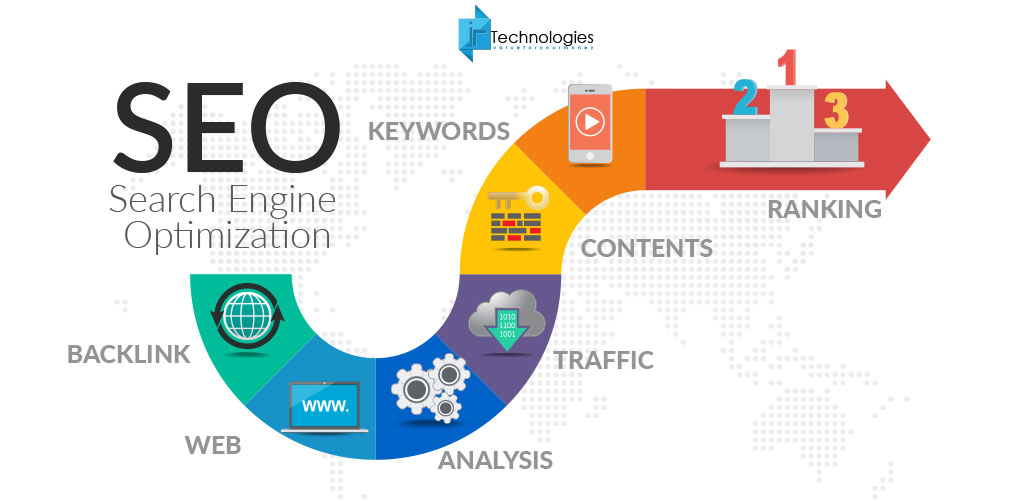
A well-rounded strategy usually includes:
- Keyword and audience research: understanding what people search for and what they need.
- Content planning: creating or improving pages that answer those needs.
- Technical SEO: making it easier for search engines to crawl, understand and index the site.
- On-page optimisation: improving page titles, headings, copy and internal links.
- Authority building: earning relevant links and mentions from reputable websites.
- Measurement: tracking performance and using the findings to guide future work.
Set clear SEO goals
Begin by deciding what SEO should achieve for your organisation. Goals might include increasing qualified website visits, generating more enquiries, growing online sales or improving visibility for a particular service.
Make goals specific and measurable. For example, instead of aiming simply to “improve rankings”, you could focus on increasing organic enquiries from a defined service area. Your goals should connect SEO activity to outcomes that matter to the business, not just to search positions or traffic totals.
Understand your audience and search intent
Keyword research is more than finding popular phrases. It helps reveal the questions, problems and priorities behind a search. Consider what potential customers might search at different stages, from researching a problem to comparing providers and choosing a solution.
Search intent is the purpose behind a query. A search may be:
- Informational: the person wants to learn something.
- Commercial: they are comparing options before making a decision.
- Transactional: they are ready to buy, book or take another action.
- Navigational: they are looking for a particular website or organisation.
Review the language your customers use in sales conversations, support requests and reviews. Then compare it with keyword research and the types of pages already appearing in search results. This helps you create content that matches what people are actually seeking.
Audit your existing website
Before creating new pages, assess what you already have. An SEO audit can reveal technical problems, outdated content, pages that attract little value and opportunities to improve important sections of the site.
Review areas such as:
- Whether important pages can be crawled and indexed.
- Broken links, redirect issues and duplicate or very similar pages.
- Page loading performance and usability on mobile devices.
- Page titles, headings and descriptions in search results.
- Internal links to key service, product and information pages.
- Content accuracy, usefulness and freshness.
Prioritise issues by their likely impact and the effort needed to fix them. Resolving a problem that prevents a valuable page from being indexed may be more important than making minor changes to a page that is already performing well.
Create useful, people-first content
Content should address a genuine audience need and provide a clear reason to choose your page. Avoid producing articles simply to include a keyword. Instead, create helpful, accurate and original material that answers the reader’s question thoroughly.
Depending on your organisation, useful content could include service pages, buying guides, how-to articles, case studies, product information or answers to common questions. Each page should have a clear purpose and be written for the people it is intended to help.
Organise related topics into groups. For example, a main service page could link to supporting guides that explain common questions, processes and considerations. This makes the site easier to navigate and helps readers explore a subject in more depth.
Optimise pages thoughtfully
On-page SEO helps both people and search engines understand what a page is about. Use the language your audience recognises, but keep the writing natural and precise.
- Write a distinctive, descriptive title for each important page.
- Use a clear main heading and logical subheadings.
- Explain the page’s purpose early and provide useful detail.
- Use descriptive link text so readers know what they will find.
- Add relevant internal links to related pages.
- Use image descriptions where they help people using assistive technology.
- Write a concise search description that accurately represents the page.
There is no need to repeat a target phrase unnaturally. Search engines can interpret related language, while keyword stuffing can make content difficult to read and undermine trust.
Build a sound technical foundation
Technical SEO supports the discovery and usability of your website. Search engines need to access and interpret pages, while visitors need a site that works reliably across devices.
Check that your website has a logical structure, secure connections and working navigation. Review mobile usability and page performance, and make sure important pages are not accidentally blocked from indexing. XML sitemaps and structured data can also help search engines understand aspects of a site, when implemented appropriately.
Technical work can require specialist support, particularly for larger websites or complex migrations. Changes should be tested carefully, as poorly managed technical updates can affect visibility and user experience.
Earn trust and relevant links
Links from other websites can help people discover your content and may contribute to how search engines assess its authority. Focus on earning relevant, genuine mentions rather than buying links or taking part in schemes designed to manipulate rankings.
Useful approaches include publishing original research, sharing expert insight, contributing to reputable industry publications and building relationships with relevant organisations. The quality and relevance of a mention matter more than collecting links indiscriminately.
Measure performance and refine your approach
SEO results take time, and rankings can vary. Monitor a range of indicators to understand whether your strategy is making a meaningful difference. These may include organic clicks, impressions, relevant landing-page visits, enquiries, sales and engagement with key content.
Use analytics and search performance tools to identify which pages are gaining visibility, which queries bring visitors and where people leave the site. Compare results over suitable periods and take seasonality or major website changes into account.
Regularly review your priorities. If a page attracts visitors but few enquiries, the next improvement may be a clearer offer or stronger call to action. If an important page has little visibility, investigate its relevance, content, internal links and technical status before deciding what to change.
Common SEO strategy mistakes
- Choosing keywords based only on search volume.
- Publishing large amounts of thin or repetitive content.
- Ignoring technical problems and mobile usability.
- Expecting immediate results from long-term work.
- Focusing on rankings without considering leads, sales or other business goals.
- Making major website changes without checking their SEO impact.
- Using manipulative link-building tactics that can damage trust.
Conclusion
An effective search engine optimisation SEO strategy starts with clear goals and a strong understanding of your audience. It brings together useful content, careful on-page work, technical improvements and a consistent approach to measurement.
SEO is not a one-off task. By reviewing performance, responding to audience needs and improving your website over time, you can build a more useful online presence and strengthen your opportunity to be found through organic search.
9 Essential Tips for Crafting an Effective SEO Strategy
- Research keywords that match your audience’s needs.
- Create useful, original content for each topic.
- Use clear titles and concise meta descriptions.
- Organise pages with descriptive headings.
- Make your website fast and mobile-friendly.
- Use simple, descriptive URLs.
- Add relevant internal links between pages.
- Earn quality backlinks through useful content and outreach.
- Track rankings and traffic, then refine your strategy.
Research keywords that match your audience’s needs.
Research keywords that reflect your audience’s needs, questions and intentions. Consider the language people use when looking for information, comparing options or ready to take action, and use these insights to shape relevant, useful content. Prioritise terms that fit your services and audience rather than choosing keywords based on search volume alone.
Create useful, original content for each topic.
Create useful, original content for each topic by focusing on what your audience genuinely wants to know, rather than simply repeating keywords. Offer clear, accurate information, practical advice or a fresh perspective that readers cannot easily find elsewhere. Organise each page around one main subject, use natural language and make sure the content delivers on its title. This helps people find real value in your website and gives search engines a clearer understanding of each page.
Use clear titles and concise meta descriptions.
Use clear, descriptive page titles and concise meta descriptions to help people understand what each page offers before they click. Include the main topic naturally, keep the wording relevant to the page, and make each title and description unique. A useful title can improve clarity in search results, while a well-written meta description may encourage more of the right visitors to choose your page.
Organise pages with descriptive headings.
Organise each page with clear, descriptive headings that tell readers what each section covers. Use one main heading for the page, followed by subheadings in a logical order, and include relevant terms naturally where they help explain the topic. A well-structured page is easier to scan and understand, helping visitors find the information they need and giving search engines clearer context about its content.
Make your website fast and mobile-friendly.
Make your website fast and mobile-friendly to give visitors a smooth experience and help search engines understand that your site is easy to use. Compress images, reduce unnecessary scripts and check that pages load quickly on mobile connections. Use responsive design so text, buttons and navigation work well on smaller screens, and test key pages across different devices. A faster, more accessible website can encourage people to stay, explore and take action.
Use simple, descriptive URLs.
Use simple, descriptive URLs that make it clear what a page is about to both visitors and search engines. Keep them short, use familiar words and separate words with hyphens—for example, /seo-strategy/ rather than a long string of numbers or parameters. Avoid unnecessary dates, vague labels and keyword repetition, and use a consistent structure across your site. Clear URLs are easier to read, share and maintain, although changing existing URLs should be planned carefully to avoid broken links and loss of search visibility.
Add relevant internal links between pages.
Add relevant internal links between pages to help visitors find useful related information and move naturally through your website. Linking from a service page to a supporting guide, for example, can give readers more detail while helping search engines understand how your content is connected. Use clear, descriptive link text and only link where it genuinely helps the reader.
Earn quality backlinks through useful content and outreach.
Earn quality backlinks by creating useful, original content that other websites genuinely want to reference, such as expert guides, research or practical resources. Then reach out to relevant publishers, organisations and industry experts with a clear, personalised explanation of why the content may benefit their audience. Prioritise relevance and genuine value over the number of links, and avoid paid or manipulative link schemes that could undermine your site’s credibility.
Track rankings and traffic, then refine your strategy.
Track your search rankings and organic traffic regularly to see which pages and keywords are performing well, and where there is room to improve. Look beyond rankings alone: check whether visitors are engaging with your content and taking valuable actions, such as making an enquiry or completing a purchase. Use these insights to refine your SEO strategy, updating underperforming pages, building on successful content and adapting to changes in your audience’s needs.