
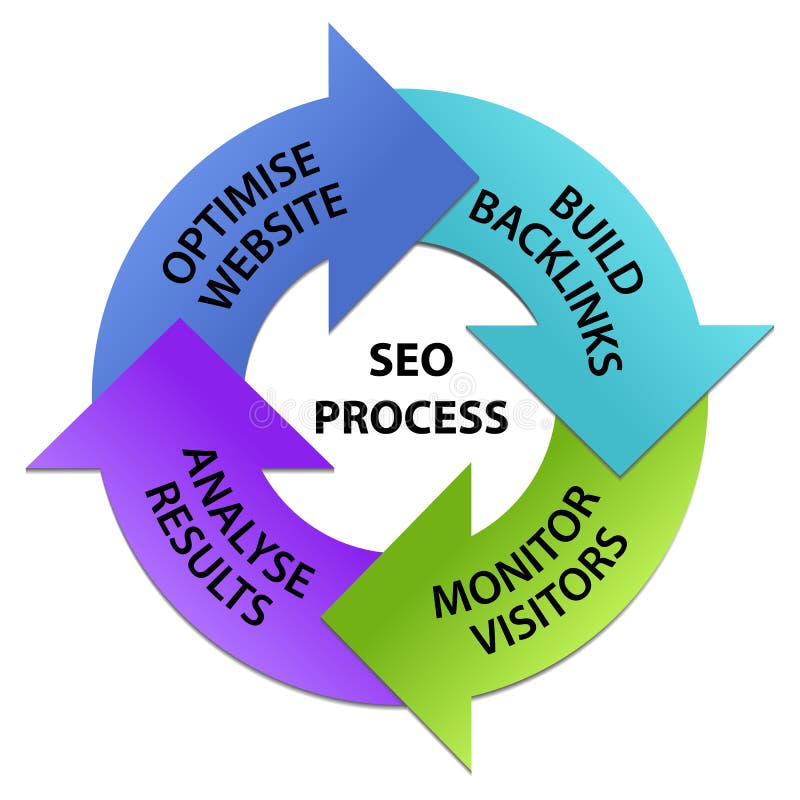
The SEO Process: Key Steps to Boost Your Online Visibility
Search Engine Optimization (SEO) is a crucial element in any digital marketing strategy. By following a structured SEO process, businesses can improve their online visibility, attract more organic traffic, and ultimately drive conversions. Let’s delve into the key steps involved in the SEO process:
Keyword Research
Keyword research forms the foundation of any successful SEO campaign. By identifying relevant keywords and phrases that your target audience is searching for, you can create content that resonates with their needs and interests.
On-Page Optimization
On-page optimization involves optimizing various elements on your website, such as meta tags, headings, and content, to make them more search engine-friendly. This step ensures that search engines can easily crawl and index your web pages.
Technical SEO
Technical SEO focuses on improving the technical aspects of your website to enhance its performance in search engine rankings. This includes optimizing site speed, fixing broken links, and ensuring mobile-friendliness.
Content Creation
High-quality, relevant content is essential for engaging users and attracting organic traffic. By creating informative blog posts, articles, videos, and other types of content, you can establish your authority in your industry and drive more traffic to your website.
Link Building
Link building involves acquiring backlinks from reputable websites to boost your site’s authority and credibility in the eyes of search engines. Building a strong backlink profile is crucial for improving your search engine rankings.
Monitoring and Analysis
Regularly monitoring your website’s performance using tools like Google Analytics allows you to track key metrics such as organic traffic, keyword rankings, and conversion rates. By analysing this data, you can identify areas for improvement and refine your SEO strategy accordingly.
In conclusion, following a systematic approach to SEO by implementing these key steps can help you achieve long-term success in improving your online visibility and driving valuable organic traffic to your website.
8 Essential Steps for an Effective SEO Strategy
- Perform keyword research to identify relevant search terms for your content.
- Optimize on-page elements such as title tags, meta descriptions, and headings.
- Create high-quality, engaging content that provides value to your audience.
- Improve website speed and ensure mobile-friendliness for better user experience.
- Build quality backlinks from reputable websites to increase your site’s authority.
- Use descriptive alt text for images to improve accessibility and SEO.
- Monitor and analyse your website’s performance using tools like Google Analytics and Search Console.
- Regularly update and refresh your content to keep it relevant and up-to-date.
Perform keyword research to identify relevant search terms for your content.
Performing thorough keyword research is a crucial step in the SEO process. By identifying relevant search terms that your target audience is using, you can tailor your content to meet their needs and preferences. Understanding the specific keywords and phrases that users are searching for enables you to create valuable, engaging content that not only attracts organic traffic but also boosts your website’s visibility in search engine results. Effective keyword research lays the foundation for a successful SEO strategy, helping you connect with your audience and drive meaningful interactions on your website.
Optimize on-page elements such as title tags, meta descriptions, and headings.
To enhance your website’s search engine visibility, it is crucial to optimise on-page elements such as title tags, meta descriptions, and headings. These elements play a significant role in conveying the relevance of your content to search engines and users alike. By crafting compelling and keyword-rich title tags, informative meta descriptions, and well-structured headings, you can improve your site’s chances of ranking higher in search results and attracting more organic traffic. Paying attention to these on-page elements is a fundamental step towards a successful SEO strategy that effectively communicates the value of your content to both search engines and your target audience.
Create high-quality, engaging content that provides value to your audience.
To enhance your SEO efforts, it is crucial to create high-quality, engaging content that offers genuine value to your target audience. By crafting content that addresses their needs, interests, and pain points, you not only attract more organic traffic but also establish trust and credibility with your audience. Valuable content not only helps improve your search engine rankings but also encourages user engagement and fosters long-term relationships with your customers. Remember, quality content is key to driving meaningful results in your SEO strategy.
Improve website speed and ensure mobile-friendliness for better user experience.
To enhance the user experience and boost SEO performance, it is crucial to focus on improving website speed and ensuring mobile-friendliness. A fast-loading website not only pleases users but also aligns with search engine algorithms that prioritise quick-loading sites. Additionally, with the increasing use of mobile devices for browsing, having a mobile-friendly website is essential to cater to a wider audience and improve overall accessibility. By prioritising these aspects of website optimisation, businesses can create a seamless user experience that not only satisfies visitors but also positively impacts search engine rankings.
Build quality backlinks from reputable websites to increase your site’s authority.
Building quality backlinks from reputable websites is a crucial step in enhancing your site’s authority and credibility in the eyes of search engines. By earning backlinks from trusted sources, you signal to search engines that your content is valuable and worthy of recognition. These high-quality backlinks not only drive direct referral traffic to your site but also contribute to improving your search engine rankings. A robust backlink profile can significantly boost your online visibility and establish your website as a reliable source of information within your industry.
Use descriptive alt text for images to improve accessibility and SEO.
Utilising descriptive alt text for images is a crucial step in enhancing both accessibility and SEO. By providing detailed descriptions of images through alt text, you not only make your content more accessible to visually impaired users who rely on screen readers but also provide search engines with valuable information about the context of the image. This practice can improve your website’s overall SEO performance by enabling search engines to better understand and index your visual content, ultimately boosting your online visibility and driving organic traffic to your site.
Monitor and analyse your website’s performance using tools like Google Analytics and Search Console.
Monitoring and analysing your website’s performance using tools such as Google Analytics and Search Console is a critical step in the SEO process. By closely tracking key metrics like organic traffic, keyword rankings, and user engagement, you can gain valuable insights into the effectiveness of your SEO efforts. This data allows you to identify strengths and weaknesses in your strategy, pinpoint areas for improvement, and make informed decisions to enhance your online visibility and drive sustainable growth. Regular monitoring and analysis empower you to adapt your SEO tactics dynamically, ensuring that you stay ahead in the ever-evolving digital landscape.
Regularly update and refresh your content to keep it relevant and up-to-date.
To maintain a strong online presence and improve search engine rankings, it is essential to regularly update and refresh your content. By keeping your content relevant and up-to-date, you demonstrate to search engines that your website is actively maintained and provides valuable information to users. Refreshing your content also allows you to incorporate new keywords, trends, and industry developments, ensuring that your website remains competitive in the ever-evolving digital landscape. Regular updates not only attract more organic traffic but also engage users with fresh and informative material, ultimately contributing to the success of your SEO strategy.