
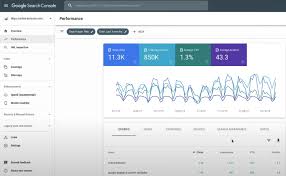
Website Optimisation: Maximising Your Online Potential
In today’s digital age, having a strong online presence is essential for businesses looking to succeed in the competitive landscape. One crucial aspect of enhancing your digital footprint is website optimisation. By fine-tuning various elements of your website, you can improve user experience, boost search engine rankings, and ultimately drive more traffic and conversions.
The Importance of Website Optimisation
Website optimisation involves a range of strategies aimed at improving the performance and effectiveness of your website. This includes:
- SEO: Implementing relevant keywords, meta tags, and high-quality content to improve search engine visibility.
- Page Speed: Ensuring fast loading times to enhance user experience and reduce bounce rates.
- Mobile Responsiveness: Optimising your website for mobile devices to cater to the growing number of mobile users.
- User Experience (UX): Creating intuitive navigation, clear calls-to-action, and engaging design elements to keep visitors on your site.
Key Strategies for Website Optimisation
To maximise the impact of your website optimisation efforts, consider implementing the following key strategies:
- Keyword Research: Identify relevant keywords that align with your business goals and target audience.
- Content Strategy: Develop high-quality, engaging content that resonates with your target audience and incorporates targeted keywords.
- Technical SEO: Ensure proper indexing, crawlability, and site structure to enhance search engine visibility.
- User Testing: Gather feedback from real users to identify pain points and areas for improvement in user experience.
The Benefits of Effective Website Optimisation
By investing in website optimisation, businesses can reap a host of benefits, including:
- Increased Visibility: Improve search engine rankings and attract more organic traffic to your site.
- Better User Experience: Enhance navigation, speed, and functionality to keep visitors engaged and encourage conversions.
- Data-Driven Decisions: Analyse performance metrics to make informed decisions for ongoing improvement.
In conclusion, website optimisation is a critical component of any successful digital strategy. By focusing on SEO best practices, user experience enhancements, and technical improvements, businesses can unlock their full online potential and achieve sustainable growth in the digital landscape.
9 Essential Tips for Optimising Your Website’s Performance and Visibility
- Optimise images for faster loading times.
- Use clean and efficient code to improve site speed.
- Implement responsive design for mobile users.
- Utilise browser caching to reduce loading times for returning visitors.
- Optimise meta tags for better search engine visibility.
- Regularly update and maintain website content.
- Enable gzip compression to reduce file sizes and improve loading speed.
- Minify CSS, JavaScript, and HTML files to enhance performance.
- Monitor website performance using tools like Google Analytics.
Optimise images for faster loading times.
Optimising images for faster loading times is a crucial aspect of website optimisation. By reducing the file size of images without compromising quality, you can significantly improve page load speed and enhance user experience. Implementing techniques such as compressing images, using the appropriate file formats, and specifying image dimensions can help streamline the loading process and ensure that your website loads quickly and efficiently across various devices. Prioritising image optimisation not only benefits site performance but also contributes to higher search engine rankings and increased user engagement.
Use clean and efficient code to improve site speed.
Utilising clean and efficient code is a fundamental tip for website optimisation, particularly in enhancing site speed. By ensuring that the underlying code is well-structured and free from unnecessary elements, you can significantly improve loading times and overall performance. Clean code not only streamlines the website’s functionality but also enhances user experience by providing a seamless and responsive browsing experience. Investing in well-optimised code is key to boosting site speed, reducing bounce rates, and ultimately maximising the effectiveness of your online presence.
Implement responsive design for mobile users.
An essential tip for effective website optimisation is to implement responsive design to cater to the increasing number of mobile users. By ensuring that your website is optimised for various screen sizes and devices, you can provide a seamless and user-friendly experience for visitors accessing your site on smartphones and tablets. Responsive design not only improves usability but also boosts mobile search rankings, ultimately enhancing your online visibility and engagement with a broader audience.
Utilise browser caching to reduce loading times for returning visitors.
To enhance website performance and improve user experience, a valuable tip for website optimisation is to utilise browser caching effectively. By implementing browser caching, returning visitors can experience significantly reduced loading times when revisiting your site. This technique allows web browsers to store certain elements of your website locally, such as images, CSS files, and scripts, enabling faster page loading without the need to re-download these resources each time. By leveraging browser caching, you can create a more seamless browsing experience for users, ultimately leading to increased engagement and satisfaction with your website.
Optimise meta tags for better search engine visibility.
Optimising meta tags is a fundamental aspect of website optimisation that can significantly enhance search engine visibility. By strategically incorporating relevant keywords and compelling descriptions into meta tags, businesses can improve their chances of appearing prominently in search engine results pages. These concise snippets not only provide search engines with valuable information about the content of a webpage but also entice users to click through to the site. Effective meta tag optimisation is a powerful tool for boosting organic traffic and increasing overall online visibility.
Regularly update and maintain website content.
An essential tip for effective website optimisation is to regularly update and maintain website content. By keeping your content fresh, relevant, and up-to-date, you not only provide value to your visitors but also signal to search engines that your site is active and engaging. Regular updates can improve search engine rankings, attract repeat visitors, and enhance user experience. Whether it’s refreshing existing content, adding new pages, or incorporating the latest industry trends, consistent content maintenance is key to maximising the impact of your website in the competitive online landscape.
Enable gzip compression to reduce file sizes and improve loading speed.
Enabling gzip compression is a highly effective tip for website optimisation. By compressing files before they are sent to the browser, gzip reduces file sizes and significantly improves loading speed. This not only enhances user experience by ensuring faster page load times but also positively impacts SEO, as search engines favour websites that deliver content quickly and efficiently. Implementing gzip compression is a simple yet powerful technique that can make a substantial difference in the performance of your website, ultimately leading to increased engagement and better overall results.
Minify CSS, JavaScript, and HTML files to enhance performance.
Minifying CSS, JavaScript, and HTML files is a crucial tip for website optimisation. By reducing the file sizes of these elements through minification techniques such as removing unnecessary spaces, comments, and characters, you can significantly enhance your website’s performance. This process leads to faster loading times, improved user experience, and ultimately boosts your site’s search engine rankings. Implementing minification not only streamlines your website’s code but also contributes to better overall efficiency and responsiveness, making it a key strategy for maximising the effectiveness of your online presence.
Monitor website performance using tools like Google Analytics.
To enhance website optimisation, it is crucial to monitor website performance using tools such as Google Analytics. By leveraging this powerful tool, businesses can gain valuable insights into visitor behaviour, traffic sources, and key performance metrics. Tracking data through Google Analytics allows for informed decision-making, enabling businesses to identify areas for improvement, measure the effectiveness of marketing campaigns, and ultimately enhance the overall user experience. Regularly monitoring website performance with tools like Google Analytics is essential for driving continuous growth and success in the digital realm.