
The Power of Search Engine Optimization and Search Engine Marketing
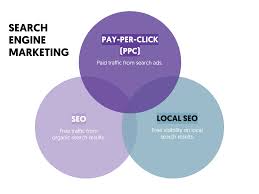
Search engine optimization (SEO) and search engine marketing (SEM) are two vital components of any successful digital marketing strategy. While they share the common goal of improving a website’s visibility on search engine results pages, they employ different tactics to achieve this objective.
Search Engine Optimization (SEO)
SEO focuses on optimizing a website’s content, structure, and technical elements to improve its organic search rankings. By incorporating relevant keywords, creating high-quality content, and enhancing user experience, SEO helps websites attract organic traffic from search engines like Google, Bing, and Yahoo.
Key aspects of SEO include on-page optimization (such as meta tags, headings, and keyword placement), off-page optimization (backlink building and social signals), and technical SEO (site speed, mobile-friendliness, and schema markup).
Search Engine Marketing (SEM)
SEM involves paid advertising campaigns to increase a website’s visibility on search engine results pages. This typically includes pay-per-click (PPC) ads that appear at the top or bottom of search results for specific keywords or phrases. SEM allows businesses to target their audience effectively and drive immediate traffic to their websites.
Popular SEM platforms include Google Ads (formerly known as Google AdWords), Bing Ads, and social media advertising options like Facebook Ads and LinkedIn Ads. SEM campaigns can be highly targeted based on demographics, interests, behaviour, and more.
The Synergy Between SEO and SEM
While SEO focuses on long-term organic growth, SEM provides immediate visibility through paid advertising. When used together strategically, these two disciplines can amplify a website’s online presence effectively.
By leveraging the strengths of both SEO and SEM – optimizing for relevant keywords while running targeted ad campaigns – businesses can maximise their reach in search engine results pages. This integrated approach ensures a comprehensive digital marketing strategy that drives traffic, boosts conversions, and enhances brand visibility.
In conclusion, mastering the art of both SEO and SEM is essential for businesses looking to succeed in the competitive online landscape. By understanding the nuances of each discipline and harnessing their combined power, organisations can establish a strong online presence that resonates with their target audience.
19 Essential FAQs on Search Engine Optimisation and Marketing: A Comprehensive Guide
- What is meant by search engine marketing?
- Which is search engine optimization?
- What are the 4 types of SEO?
- What is SEO and SEM with examples?
- How does SEO and SEM work together?
- What is search engine optimization in marketing?
- What is SEO SMM and SEM?
- Are SEO and marketing the same?
- What is search engine marketing and search engine optimization explain in detail?
- What is SEO and examples?
- What is SEO and SEM marketing?
- What is difference between Search Engine Optimization and search engine marketing?
- What is an SEO in marketing?
- What is meant by SEO in marketing?
- Is SEM and PPC the same thing?
- What is search engine optimization and how is it connected to marketing?
- What is search engine optimization SEO in marketing?
- What is search engine optimization for marketing?
- What is SEM and SEO strategies?
What is meant by search engine marketing?
Search engine marketing (SEM) refers to the practice of promoting websites by increasing their visibility in search engine results pages through paid advertising. SEM encompasses various tactics, with the most common being pay-per-click (PPC) advertising where businesses bid on keywords relevant to their target audience. By running targeted ad campaigns on search engines like Google and Bing, businesses can enhance their online presence, drive traffic to their websites, and ultimately increase conversions. SEM plays a crucial role in digital marketing strategies, complementing search engine optimization (SEO) efforts to deliver comprehensive and effective results in the competitive online landscape.
Which is search engine optimization?
Search engine optimization (SEO) is the practice of enhancing a website’s visibility and ranking on search engine results pages through organic, non-paid methods. By optimising various elements such as content, keywords, meta tags, and site structure, SEO aims to improve a website’s relevance and authority in the eyes of search engines like Google. The ultimate goal of SEO is to attract more organic traffic to a website, increase its online presence, and drive sustainable growth over time.
What are the 4 types of SEO?
When exploring the realm of search engine optimization (SEO), a common query often arises: “What are the 4 types of SEO?” The four primary types of SEO encompass on-page SEO, off-page SEO, technical SEO, and local SEO. On-page SEO involves optimizing content and elements within a website to enhance its search engine visibility. Off-page SEO focuses on building external links and online reputation to boost a site’s authority. Technical SEO addresses backend aspects like site speed and mobile-friendliness for optimal performance. Lastly, local SEO targets geographically specific searches to improve visibility for businesses in local markets. Understanding these distinct types of SEO is crucial for developing a comprehensive strategy that elevates a website’s online presence effectively.
What is SEO and SEM with examples?
Search engine optimization (SEO) involves the process of enhancing a website’s visibility in organic search results through various strategies such as keyword optimization, content creation, and technical improvements. For instance, a company that optimizes its website for relevant keywords related to its products or services can attract more organic traffic from search engines like Google. On the other hand, search engine marketing (SEM) refers to paid advertising efforts to increase a website’s visibility on search engine results pages. An example of SEM is running a Google Ads campaign where businesses bid on keywords to display their ads at the top of relevant search results, driving immediate traffic to their websites. In essence, while SEO focuses on organic growth, SEM leverages paid tactics for instant visibility in search engines.
How does SEO and SEM work together?
In the realm of digital marketing, the synergy between search engine optimization (SEO) and search engine marketing (SEM) is paramount. SEO focuses on enhancing a website’s organic visibility through strategic content creation, keyword optimisation, and technical improvements. On the other hand, SEM utilises paid advertising to drive immediate traffic and increase visibility on search engine results pages. When integrated effectively, SEO and SEM work in tandem to maximise a website’s online presence – with SEO laying the foundation for long-term growth and SEM providing instant visibility through targeted ads. This collaborative approach ensures a comprehensive digital strategy that boosts traffic, enhances brand recognition, and drives conversions in the competitive online landscape.
What is search engine optimization in marketing?
Search engine optimization (SEO) in marketing refers to the practice of optimising a website’s content, structure, and technical elements to improve its visibility and ranking on search engine results pages. By strategically incorporating relevant keywords, creating high-quality content, and enhancing user experience, SEO aims to attract organic traffic from search engines like Google, Bing, and Yahoo. In essence, SEO plays a crucial role in helping businesses increase their online presence, drive targeted traffic to their websites, and ultimately enhance their digital marketing efforts for long-term success.
What is SEO SMM and SEM?
Search engine optimisation (SEO), social media marketing (SMM), and search engine marketing (SEM) are crucial components of a comprehensive digital marketing strategy. SEO focuses on enhancing a website’s visibility in organic search results by optimising content and technical aspects. SMM involves leveraging social media platforms to engage with audiences and promote brand awareness. SEM, on the other hand, encompasses paid advertising efforts to increase a website’s visibility on search engine results pages. Each of these strategies plays a unique role in driving online traffic, boosting conversions, and ultimately strengthening a brand’s presence in the digital realm.
Are SEO and marketing the same?
The frequently asked question of whether SEO and marketing are the same often arises due to the interconnected nature of these two disciplines. While search engine optimization (SEO) is a subset of digital marketing, it focuses specifically on improving a website’s visibility in organic search results. On the other hand, marketing encompasses a broader spectrum of activities aimed at promoting products or services, which may include SEO as one of its strategies. While SEO is a crucial component of digital marketing, it is just one facet of the overall marketing strategy that businesses employ to reach and engage their target audience effectively. Understanding the distinction between SEO and marketing is essential for developing a comprehensive digital marketing approach that leverages the strengths of both disciplines to achieve optimal results.
What is search engine marketing and search engine optimization explain in detail?
Search engine marketing (SEM) and search engine optimization (SEO) are fundamental strategies in the realm of digital marketing. Search engine marketing involves the use of paid advertising to increase a website’s visibility on search engine results pages, typically through platforms like Google Ads and Bing Ads. On the other hand, search engine optimization focuses on enhancing a website’s organic search rankings by optimising content, structure, and technical elements to attract organic traffic from search engines like Google and Yahoo. Both SEM and SEO play crucial roles in driving online visibility and traffic for businesses, with SEM offering immediate results through paid ads and SEO providing sustainable long-term growth through organic strategies. Understanding and effectively implementing these two disciplines can significantly impact a website’s online success and overall digital marketing efforts.
What is SEO and examples?
Search engine optimization (SEO) is the practice of enhancing a website’s visibility on search engine results pages through organic means. This involves various strategies and techniques aimed at improving a site’s ranking for specific keywords or phrases. Examples of SEO tactics include keyword research to identify relevant search terms, on-page optimization such as meta tags and content creation, off-page optimization involving link building and social signals, and technical SEO to ensure site performance and user experience are optimised. By implementing these SEO practices effectively, websites can attract more organic traffic and increase their visibility in search engine results.
What is SEO and SEM marketing?
Search engine optimization (SEO) and search engine marketing (SEM) are fundamental pillars of digital marketing strategies aimed at enhancing a website’s visibility on search engine results pages. SEO involves organic tactics such as keyword optimization, content creation, and technical enhancements to improve a site’s ranking naturally. On the other hand, SEM encompasses paid advertising methods like pay-per-click (PPC) campaigns to drive immediate traffic and increase visibility on search engines. Both SEO and SEM marketing play crucial roles in attracting targeted audiences, boosting online presence, and ultimately achieving business objectives in the competitive digital landscape.
What is difference between Search Engine Optimization and search engine marketing?
The key distinction between Search Engine Optimization (SEO) and search engine marketing (SEM) lies in their approaches to improving a website’s visibility on search engine results pages. SEO focuses on organic strategies, such as optimizing content, meta tags, and site structure to enhance rankings naturally. On the other hand, SEM involves paid advertising tactics like pay-per-click (PPC) campaigns to secure immediate visibility through sponsored listings. While SEO aims for sustainable long-term growth, SEM delivers instant results through targeted ads. Both disciplines play crucial roles in boosting online presence, with SEO nurturing organic traffic over time and SEM driving immediate traffic through paid promotions.
What is an SEO in marketing?
In the realm of marketing, an SEO (Search Engine Optimisation) plays a pivotal role in enhancing a website’s visibility and organic search rankings. Essentially, an SEO specialist is tasked with implementing strategies to improve a website’s search engine performance, such as optimising content with relevant keywords, enhancing user experience, and acquiring quality backlinks. By understanding the algorithms of search engines like Google and tailoring strategies to align with them, an SEO professional helps businesses attract organic traffic and increase their online presence. In essence, an SEO in marketing serves as a crucial architect of digital success by ensuring that websites are optimised to meet the ever-evolving demands of search engine algorithms.
What is meant by SEO in marketing?
In marketing, SEO refers to search engine optimization, a strategic practice aimed at enhancing a website’s visibility and ranking on search engine results pages. By optimising various elements of a website, such as content, keywords, meta tags, and backlinks, SEO helps businesses attract organic traffic from search engines like Google. Effective SEO strategies increase the likelihood of a website appearing higher in search results for relevant queries, ultimately driving more targeted traffic and potential customers to the site.
Is SEM and PPC the same thing?
When it comes to the frequently asked question of whether SEM and PPC are the same thing, it’s important to clarify the distinction between the two terms. SEM, which stands for search engine marketing, encompasses a broader range of strategies aimed at improving a website’s visibility on search engine results pages. On the other hand, PPC (pay-per-click) is a specific form of advertising within SEM where advertisers pay a fee each time their ad is clicked. While PPC is a crucial component of SEM, SEM itself includes various tactics beyond just paid advertising, such as SEO, content marketing, and social media campaigns. Understanding this difference is key to developing a comprehensive digital marketing strategy that effectively utilises both SEM and PPC to achieve business objectives.
What is search engine optimization and how is it connected to marketing?
Search engine optimization (SEO) is the process of enhancing a website’s visibility on search engine results pages through organic, unpaid methods. It involves optimizing various aspects of a website, such as content, structure, and technical elements, to improve its ranking for relevant keywords. SEO plays a crucial role in marketing by ensuring that a website ranks higher in search engine results, thereby increasing its visibility to potential customers searching for related products or services. By aligning SEO strategies with marketing objectives, businesses can attract more organic traffic, enhance brand awareness, and ultimately drive conversions. SEO is an integral part of digital marketing efforts, working hand in hand with other marketing channels to create a comprehensive online presence that resonates with target audiences.
What is search engine optimization SEO in marketing?
Search engine optimization (SEO) in marketing refers to the process of enhancing a website’s visibility on search engine results pages through organic, non-paid methods. SEO involves various strategies and techniques aimed at improving a website’s ranking for specific keywords or phrases relevant to its products or services. By optimising content, meta tags, site structure, and other elements, businesses can attract more organic traffic from search engines like Google and Bing. SEO plays a crucial role in digital marketing by increasing a website’s online presence, driving quality traffic, and ultimately boosting conversions.
What is search engine optimization for marketing?
Search engine optimization for marketing refers to the strategic process of enhancing a website’s visibility and organic search rankings to attract relevant traffic and improve overall marketing performance. By optimising various elements such as content, keywords, meta tags, and site structure, SEO aims to make a website more appealing to search engines like Google. This increased visibility not only drives organic traffic but also boosts brand awareness, credibility, and ultimately leads to higher conversion rates. In essence, search engine optimization for marketing is about leveraging SEO techniques to strengthen a brand’s online presence and achieve marketing objectives effectively in the digital landscape.
What is SEM and SEO strategies?
SEM and SEO strategies refer to the distinct approaches used to enhance a website’s visibility on search engine results pages. Search Engine Marketing (SEM) involves paid advertising campaigns, such as pay-per-click (PPC) ads, to drive immediate traffic and increase online visibility. On the other hand, Search Engine Optimization (SEO) focuses on organic methods like keyword optimization, content creation, and technical enhancements to improve a website’s search engine ranking over time. Both SEM and SEO strategies are essential components of a comprehensive digital marketing strategy, with SEM providing quick results through paid ads and SEO laying the foundation for long-term organic growth. By combining these strategies effectively, businesses can maximise their online presence and reach their target audience more efficiently.