
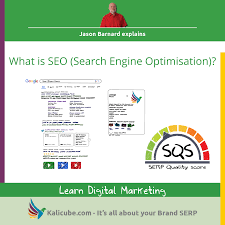
The Importance of On-Site Search Engine Optimization
Search engine optimization (SEO) is a critical component of any successful digital marketing strategy. While off-site SEO tactics such as link building and social media promotion are essential, on-site SEO plays a crucial role in ensuring that your website ranks well in search engine results pages.
On-site SEO, also known as on-page SEO, involves optimizing various elements on your website to make it more search engine friendly. By focusing on on-site SEO, you can improve your website’s visibility, attract more organic traffic, and ultimately drive conversions.
Key Elements of On-Site SEO
There are several key elements of on-site SEO that you need to pay attention to:
- Keywords: Conduct keyword research to identify relevant keywords for your content. Use these keywords strategically in your page titles, meta descriptions, headings, and throughout your content.
- Meta Tags: Optimize your meta tags, including title tags and meta descriptions, to accurately describe the content of each page and entice users to click through from search engine results pages.
- Content: Create high-quality, relevant content that provides value to your audience. Make sure your content is well-structured, easy to read, and includes the appropriate use of keywords.
- URL Structure: Use descriptive URLs that include relevant keywords. A clear URL structure can help search engines understand the context of your pages.
- Internal Linking: Link between related pages on your website to improve navigation and help search engines discover and index your content more effectively.
The Benefits of On-Site SEO
Effective on-site SEO can bring a range of benefits to your website and business:
- Improved Search Engine Rankings: By optimizing key elements on your website, you can improve its visibility in search engine results pages and increase the likelihood of ranking higher for relevant keywords.
- Increased Organic Traffic: A well-optimized website is more likely to attract organic traffic from search engines, leading to a higher volume of visitors who are actively searching for the products or services you offer.
- Better User Experience: Optimizing your website for search engines often goes hand in hand with improving the user experience. This can result in lower bounce rates, longer time spent on site, and higher conversion rates.
In conclusion, on-site SEO is a fundamental aspect of any successful digital marketing strategy. By paying attention to key elements such as keywords, meta tags, content quality, URL structure, and internal linking, you can enhance your website’s visibility in search engine results pages and drive valuable organic traffic to your site.
Contact us today to learn how we can help you improve your on-site SEO and achieve better results online!
Top 6 On-Site SEO Tips for Enhanced Search Visibility and Performance
- 1. Use relevant keywords in page titles, headings, and content to improve search visibility.
- 2. Optimise meta descriptions and URLs for better click-through rates from search results.
- 3. Create unique and descriptive alt text for images to enhance accessibility and keyword relevance.
- 4. Improve site speed by compressing images, minifying code, and leveraging browser caching.
- 5. Ensure mobile responsiveness for a better user experience and higher search rankings.
- 6. Monitor site performance with tools like Google Search Console to identify and fix SEO issues.
1. Use relevant keywords in page titles, headings, and content to improve search visibility.
To enhance search visibility and attract organic traffic, it is crucial to incorporate relevant keywords strategically throughout your website. By utilising appropriate keywords in page titles, headings, and content, you can signal to search engines the relevance of your web pages to specific search queries. This on-site SEO tactic not only helps improve your website’s ranking in search engine results pages but also ensures that your content resonates with and meets the needs of your target audience effectively.
2. Optimise meta descriptions and URLs for better click-through rates from search results.
To enhance click-through rates from search results, it is crucial to optimise meta descriptions and URLs effectively. Crafting compelling meta descriptions that accurately reflect the content of the page while enticing users to click through can significantly impact user engagement. Similarly, using descriptive and keyword-rich URLs not only helps search engines understand the context of your pages but also improves visibility and relevance in search results. By optimising meta descriptions and URLs, you can increase the likelihood of attracting clicks from users actively searching for your content or services.
3. Create unique and descriptive alt text for images to enhance accessibility and keyword relevance.
Creating unique and descriptive alt text for images is a crucial aspect of on-site search engine optimization. By providing detailed alt text, you not only improve the accessibility of your website for visually impaired users but also enhance the keyword relevance of your content. Search engines rely on alt text to understand the context of images, so using relevant keywords in your alt text can help boost your website’s visibility in search engine results pages. Additionally, descriptive alt text can also improve the overall user experience by providing valuable information about the images displayed on your site.
4. Improve site speed by compressing images, minifying code, and leveraging browser caching.
To enhance on-site search engine optimization, it is crucial to focus on improving site speed through various techniques. One effective tip is to compress images, which reduces their file size without compromising quality, leading to faster loading times. Additionally, minifying code by removing unnecessary spaces, comments, and characters can streamline the website’s codebase and enhance performance. Leveraging browser caching allows visitors to store certain elements of the website locally, reducing load times for returning users. By implementing these strategies, websites can significantly improve user experience and positively impact search engine rankings.
5. Ensure mobile responsiveness for a better user experience and higher search rankings.
Ensuring mobile responsiveness is a crucial aspect of on-site search engine optimization. In today’s mobile-centric world, websites that are not optimised for mobile devices risk losing out on valuable traffic and potential customers. By ensuring that your website is responsive and provides a seamless user experience across different devices, you not only improve user satisfaction but also increase the chances of ranking higher in search engine results pages. Search engines like Google prioritise mobile-friendly websites, so investing in mobile responsiveness can have a significant impact on both user experience and search rankings.
6. Monitor site performance with tools like Google Search Console to identify and fix SEO issues.
Monitoring site performance using tools like Google Search Console is a crucial aspect of on-site search engine optimization. By regularly checking your website’s performance metrics, such as indexing status, crawl errors, and keyword rankings, you can identify and address SEO issues promptly. These tools provide valuable insights into how search engines are interacting with your site, allowing you to make informed decisions to improve its visibility and ranking. By leveraging Google Search Console and other monitoring tools effectively, you can ensure that your website remains optimised for search engines and maximise its potential for attracting organic traffic.