
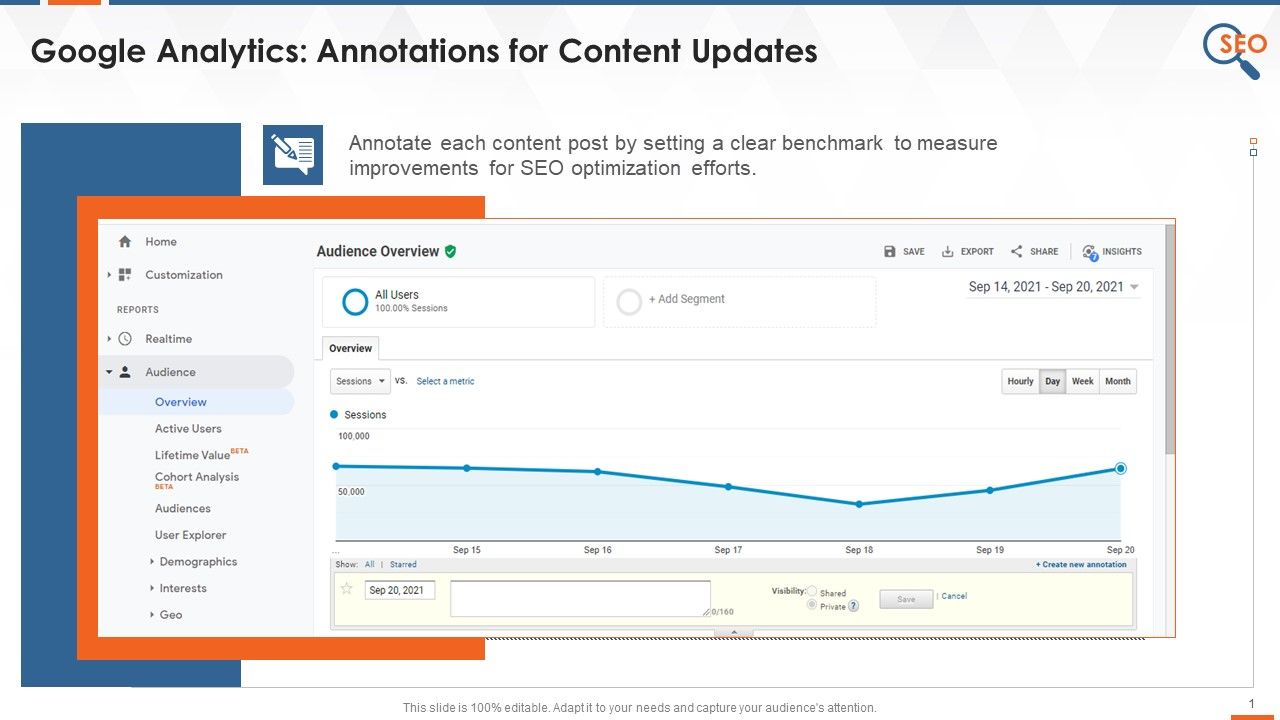
The Power of Google Analytics as an SEO Tool
Google Analytics is a powerful tool that can revolutionize your SEO strategy. By providing valuable insights into website performance, user behaviour, and traffic sources, Google Analytics empowers businesses to make informed decisions that drive organic growth.
One of the key benefits of using Google Analytics for SEO is the ability to track and measure the effectiveness of your optimization efforts. By monitoring key metrics such as organic traffic, bounce rate, and conversion rate, you can gauge the impact of your SEO campaigns and identify areas for improvement.
Google Analytics also offers in-depth data on user behaviour, allowing you to understand how visitors interact with your website. By analysing metrics such as time on page, pages per session, and exit pages, you can gain valuable insights into user preferences and tailor your content to better meet their needs.
Furthermore, Google Analytics provides detailed information on traffic sources, including organic search, direct traffic, and referral traffic. By identifying which channels drive the most traffic to your site, you can focus your SEO efforts on the most effective strategies and maximize your online visibility.
In conclusion, Google Analytics is an indispensable tool for any business looking to enhance its SEO performance. By leveraging the wealth of data and insights provided by Google Analytics, businesses can optimize their websites for improved search engine rankings, increased organic traffic, and enhanced user engagement.
Top 7 Advantages of Using Google Analytics for SEO Optimisation
- Comprehensive data tracking for website performance
- Insights into user behaviour and preferences
- Detailed analysis of organic traffic sources
- Monitoring of key SEO metrics such as bounce rate and conversion rate
- Customizable reporting features for tailored analysis
- Integration with other Google tools for seamless data sharing
- Continuous updates and improvements to enhance functionality
Challenges of Using Google Analytics for SEO: Complexity, Real-Time Limitations, and Privacy Concerns
- Steep learning curve for beginners due to the complexity of features and data interpretation.
- Limited real-time data reporting capabilities compared to some other analytics tools.
- Privacy concerns may arise due to the collection of user data for tracking and analysis purposes.
Comprehensive data tracking for website performance
Google Analytics stands out as an invaluable SEO tool due to its capability for comprehensive data tracking of website performance. By meticulously monitoring key metrics such as organic traffic, page views, bounce rates, and conversion rates, Google Analytics provides businesses with a detailed understanding of how their website is performing. This wealth of data allows for informed decision-making and the ability to fine-tune SEO strategies to improve online visibility and user engagement effectively.
Insights into user behaviour and preferences
Google Analytics offers invaluable insights into user behaviour and preferences, allowing businesses to understand how visitors interact with their website on a granular level. By analysing metrics such as time on page, pages per session, and bounce rate, businesses can gain a deeper understanding of what resonates with their audience. This data empowers businesses to tailor their content, user experience, and marketing strategies to better meet the needs and preferences of their target audience, ultimately improving engagement and driving conversions.
Detailed analysis of organic traffic sources
A significant advantage of using Google Analytics as an SEO tool is its capability to provide a detailed analysis of organic traffic sources. By delving into the origins of organic traffic, businesses can gain valuable insights into which search engines, keywords, and referring websites are driving visitors to their site. This granular level of data enables businesses to identify high-performing keywords, assess the effectiveness of their SEO strategies, and make informed decisions to further enhance their online visibility and attract targeted organic traffic.
Monitoring of key SEO metrics such as bounce rate and conversion rate
Google Analytics serves as a valuable asset in SEO strategy by enabling the monitoring of essential metrics like bounce rate and conversion rate. By tracking these key indicators, businesses can gain crucial insights into user engagement and website performance. The bounce rate metric reveals the percentage of visitors who leave a site after viewing only one page, indicating the effectiveness of content and user experience. On the other hand, the conversion rate metric highlights the proportion of visitors who take desired actions, such as making a purchase or filling out a form. Understanding and optimising these metrics through Google Analytics empowers businesses to refine their SEO efforts, enhance user experience, and drive meaningful conversions.
Customizable reporting features for tailored analysis
Google Analytics offers a significant advantage with its customizable reporting features, allowing users to tailor their analysis to meet specific business objectives. This capability enables businesses to create bespoke reports that focus on key metrics relevant to their SEO goals, providing a deeper understanding of website performance and user behaviour. By customizing reports, businesses can gain valuable insights that inform strategic decision-making, leading to more targeted and effective SEO campaigns. The ability to tailor analysis through Google Analytics’ reporting features empowers businesses to track progress accurately, identify trends, and make data-driven adjustments for continuous improvement in their SEO efforts.
Integration with other Google tools for seamless data sharing
One significant advantage of Google Analytics as an SEO tool is its seamless integration with other Google tools, facilitating effortless data sharing across platforms. This interconnected ecosystem allows businesses to combine insights from various sources, such as Google Search Console and Google Ads, to gain a comprehensive understanding of their online performance. By leveraging this integration, businesses can streamline their data analysis processes, identify correlations between different metrics, and make well-informed decisions to enhance their SEO strategies effectively.
Continuous updates and improvements to enhance functionality
Google Analytics stands out for its commitment to continuous updates and improvements aimed at enhancing functionality. By regularly introducing new features and refining existing tools, Google Analytics ensures that users have access to the latest advancements in data analysis and reporting. This dedication to innovation not only keeps the platform relevant in an ever-evolving digital landscape but also empowers businesses to leverage cutting-edge capabilities for more effective SEO strategies.
Steep learning curve for beginners due to the complexity of features and data interpretation.
For beginners, one significant drawback of using Google Analytics as an SEO tool is the steep learning curve it presents. The tool’s complexity in terms of features and data interpretation can be overwhelming for those new to the platform. Understanding how to navigate through the various metrics, reports, and settings can require a considerable amount of time and effort, potentially hindering quick implementation of effective SEO strategies. The intricate nature of Google Analytics may pose a challenge for beginners seeking to harness its full potential for optimising their websites and tracking performance metrics accurately.
Limited real-time data reporting capabilities compared to some other analytics tools.
One drawback of using Google Analytics as an SEO tool is its limited real-time data reporting capabilities in comparison to some other analytics tools. While Google Analytics provides valuable insights into website performance and user behaviour, it may not offer instantaneous updates on metrics such as current website traffic or user activity. This limitation can hinder real-time decision-making and monitoring of immediate changes, potentially impacting the agility of SEO strategies that require prompt adjustments based on up-to-the-minute data.
Privacy concerns may arise due to the collection of user data for tracking and analysis purposes.
Privacy concerns may arise when using Google Analytics as an SEO tool due to the collection of user data for tracking and analysis purposes. The extensive data gathering capabilities of Google Analytics, which include information on user behaviour, demographics, and interests, can raise apprehensions about the privacy and security of personal information. Businesses must navigate this con by ensuring compliance with data protection regulations, being transparent about data collection practices, and implementing robust security measures to safeguard user privacy while leveraging the valuable insights provided by Google Analytics for SEO optimization.