
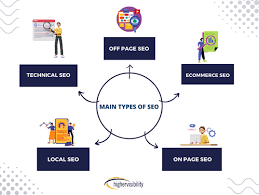
SEO Services Strategy: A Practical Guide to Sustainable Growth
A successful SEO strategy is more than a list of keywords or a one-off technical check. It brings together research, website improvements, useful content and ongoing measurement to help the right people find a business through search engines.
SEO services can support each part of this process. The most effective approach is built around business goals, the needs of potential customers and a clear understanding of how a website performs today.
What is an SEO services strategy?
An SEO services strategy is a structured plan for improving a website’s visibility in organic search results. It sets out what needs to be done, why it matters, who it is for and how progress will be measured.
Depending on the website and its goals, a strategy may include:
- SEO audits and technical analysis
- Keyword and audience research
- On-page optimisation
- Content planning and creation
- Internal linking improvements
- Digital PR and link acquisition
- Local SEO
- Performance tracking and reporting
These services work best as parts of a joined-up plan rather than isolated activities. For example, publishing new content is unlikely to deliver its full potential if search engines cannot crawl the relevant pages or visitors struggle to use the website.
Start with business goals
Before deciding which SEO tasks to prioritise, clarify what the business wants to achieve. Goals might include increasing enquiries, generating online sales, attracting more local customers or building awareness in a particular market.
Clear objectives help shape the strategy. A service business may focus on local landing pages and lead generation, while an online retailer may need to improve product and category pages at scale. A business entering a new market may need research into local search behaviour and competitors.
SEO targets should support these wider objectives. Rankings and traffic can provide useful context, but they are not the end goal. Measures such as qualified leads, sales, revenue and engagement can offer a clearer view of business impact.
Research the audience and search landscape
Keyword research helps identify what people search for, how they phrase their questions and what information they expect to find. It should consider more than search volume: relevance, intent, competition and the value of a potential visit all matter.
Search intent is particularly important. Someone searching for general advice may be at an early research stage, while someone comparing providers or looking for a specific product may be closer to taking action. Content should match the purpose behind the search rather than simply repeat a phrase.
Competitor analysis can reveal the topics, page types and search results already performing well. It can also help identify gaps, but copying competitors is rarely a strong strategy. The aim is to understand the landscape and create a more useful, distinctive experience for the audience.
Build a technically sound website
Technical SEO helps search engines discover, crawl and understand a website. It also supports a reliable experience for visitors. A technical review may examine:
- Site speed and Core Web Vitals
- Mobile usability
- Indexing and crawlability
- Site structure and URL consistency
- Redirects and broken links
- Duplicate or thin pages
- Structured data where appropriate
Technical work should be prioritised according to impact and risk. Fixing an issue that prevents important pages from being indexed is usually more urgent than making a minor improvement to a low-traffic page. Collaboration between SEO specialists, developers and content teams can help ensure changes are implemented correctly.
Optimise important pages
On-page SEO makes it easier for both visitors and search engines to understand what a page offers. This may involve improving page titles, headings, copy, image descriptions, internal links and calls to action.
Good optimisation is not about adding keywords wherever possible. Pages should answer the visitor’s needs clearly, use language that feels natural and make the next step easy to understand. Each important page should have a distinct purpose and provide a clear reason for someone to choose the business.
Create content with a clear purpose
Content can attract new audiences, answer common questions and support customers as they compare options. A content strategy should identify which subjects deserve attention, which format is most suitable and how each piece fits into the wider website.
Useful content is accurate, original and written for people. It should demonstrate appropriate expertise and be kept up to date when information changes. Publishing more pages is not automatically better; quality, relevance and a clear purpose matter more than volume.
Content planning should also consider the existing website. Updating or consolidating older pages may be more valuable than creating new ones, particularly where several pages cover the same topic or compete for similar searches.
Strengthen authority and trust
Search engines consider a range of signals when assessing the quality and relevance of pages. A business can support its reputation by publishing credible information, showcasing genuine expertise and earning relevant mentions from other websites.
Digital PR and link acquisition should focus on earning meaningful coverage, not collecting links for their own sake. Tactics based on paid, irrelevant or manipulative links can create risks and should be avoided. Strong authority is built over time through useful work and genuine relationships.
Measure progress and refine the strategy
SEO requires ongoing review. Regular reporting can show whether work is moving towards the intended outcomes and where the plan may need to change. Useful indicators can include:
- Organic visits to relevant pages
- Search visibility for priority topics
- Leads, sales or other conversions from organic search
- Engagement with key landing pages
- Technical health and indexation
- Performance of new and updated content
Results can take time, and performance may fluctuate as search engines update their systems and competitors improve their websites. Reporting should explain what has changed, what has been delivered and what the next priorities are—not just present numbers without context.
How to choose SEO services
When considering an SEO agency or consultant, look for a clear process, realistic expectations and a willingness to understand the business. A good provider should be able to explain its recommendations in plain language and show how proposed work connects to your objectives.
Be cautious of guaranteed rankings, vague reports or promises of immediate results. SEO is influenced by many factors, and no provider can guarantee a particular position in search results. Ask about the work involved, how success will be measured and how your team will be kept informed.
Conclusion
A strong SEO services strategy combines technical foundations, audience-focused research, helpful content and regular measurement. It begins with business goals and develops through consistent, carefully prioritised work.
By treating SEO as an ongoing investment rather than a quick fix, businesses can improve their search visibility, make their websites more useful and create a more sustainable source of relevant organic traffic.
Enhancing Business Success: Key Advantages of a Strategic SEO Approach
- Attracts more relevant organic traffic
- Aligns SEO activity with business goals
- Improves website usability and performance
- Builds long-term search visibility
- Reaches customers at different stages
- Tracks progress with measurable results
Challenges of SEO Strategies: Understanding the Cons and Limitations
- Results can take months to appear.
- Requires ongoing investment and effort.
- Search algorithm changes can affect visibility.
- Competitive keywords may be difficult to rank for.
- Poor-quality SEO can harm website performance.
- Attributing sales to SEO can be challenging.
Attracts more relevant organic traffic
A well-planned SEO services strategy attracts more relevant organic traffic by helping your website appear for searches that match your services, products and audience’s needs. Rather than focusing solely on increasing visitor numbers, it targets people who are actively looking for useful information or a solution you provide. This can bring more qualified prospects to your website, improve the chances of engagement and support stronger conversions over time.
Aligns SEO activity with business goals
A well-planned SEO services strategy aligns every activity with wider business goals, whether that means generating more qualified leads, increasing online sales or building awareness in a new market. Instead of focusing on rankings and traffic alone, it prioritises the audiences, pages and search opportunities most likely to contribute to meaningful results. This helps businesses use their time and budget effectively, while making it easier to measure how SEO supports growth.
Improves website usability and performance
A well-planned SEO services strategy can improve both website usability and performance. By addressing issues such as slow loading times, confusing navigation and poor mobile experiences, it helps visitors find information more easily and complete tasks with less friction. These improvements can make a website more accessible and enjoyable to use, while also supporting stronger engagement and conversions.
Builds long-term search visibility
A well-planned SEO services strategy builds long-term search visibility by steadily improving a website’s technical foundations, content and relevance to the people it wants to reach. Rather than relying on short-lived campaigns, consistent optimisation can help important pages earn and maintain stronger positions in organic search over time. As a result, a business can attract relevant visitors and potential customers long after the initial work is completed.
Reaches customers at different stages
A well-planned SEO services strategy reaches potential customers at every stage of their decision-making journey. Informative articles can answer early research questions, comparison pages can help people weigh up their options, and detailed service or product pages can support those ready to take action. By providing relevant information at each stage, a business can build trust, stay visible as needs develop and guide more visitors towards becoming customers.
Tracks progress with measurable results
A key advantage of an SEO services strategy is that it tracks progress through measurable results. By monitoring indicators such as organic traffic, keyword visibility, enquiries and sales, businesses can see which activities are working and where improvements are needed. Regular reporting makes performance easier to understand, supports informed decisions and helps ensure SEO efforts stay focused on business goals.
Results can take months to appear.
One drawback of an SEO services strategy is that results can take months to appear. Search engines need time to crawl and assess website changes, while improvements in rankings and organic traffic often depend on sustained work across content, technical performance and authority. This means SEO may not be the right choice for businesses seeking immediate leads or sales, and it can be challenging to maintain investment before clear progress is visible. Setting realistic expectations and tracking early indicators, such as improved indexing or engagement, can help demonstrate momentum while longer-term results develop.
Requires ongoing investment and effort.
A key drawback of an SEO services strategy is that it requires ongoing investment and effort. Search trends, competitors and search engine algorithms change over time, so websites need regular monitoring, fresh or updated content, technical maintenance and continued optimisation. This can involve a sustained commitment of time and budget, with results often taking months to emerge rather than appearing immediately.
Search algorithm changes can affect visibility.
One drawback of an SEO services strategy is that search algorithm changes can affect a website’s visibility, even when it has been performing well. Search engines regularly update how they assess and rank pages, which may lead to fluctuations in rankings and organic traffic. While no strategy can prevent every impact, regularly reviewing performance, following search engine guidance and focusing on helpful, high-quality content can make a website more resilient over time.
Competitive keywords may be difficult to rank for.
One drawback of an SEO services strategy is that competitive keywords can be difficult to rank for, particularly in established industries where well-known businesses have invested in search visibility for years. Reaching the first page may take significant time, expertise and resources, with no guarantee of a particular position. A practical strategy can reduce reliance on the most competitive terms by targeting more specific, relevant searches and building visibility steadily, but results are unlikely to happen overnight.
Poor-quality SEO can harm website performance.
Poor-quality SEO can harm website performance when it relies on tactics such as keyword stuffing, low-value content or spammy backlinks. These approaches can make a site less useful for visitors, weaken its credibility and, in some cases, lead to lower search visibility or penalties. A sound SEO strategy should prioritise helpful content, a good user experience and sustainable improvements that support both people and search engines.
Attributing sales to SEO can be challenging.
Attributing sales to SEO can be challenging because customers often interact with several channels before making a purchase. They may first discover a business through organic search, then return via a paid advert, email or direct visit to complete their order. As a result, analytics tools may credit the final touchpoint rather than SEO’s earlier influence. Long buying cycles, cross-device visits and incomplete tracking can make the picture even less clear, so businesses should assess SEO alongside other marketing activity and use a range of indicators—not last-click sales figures alone—to understand its contribution.