
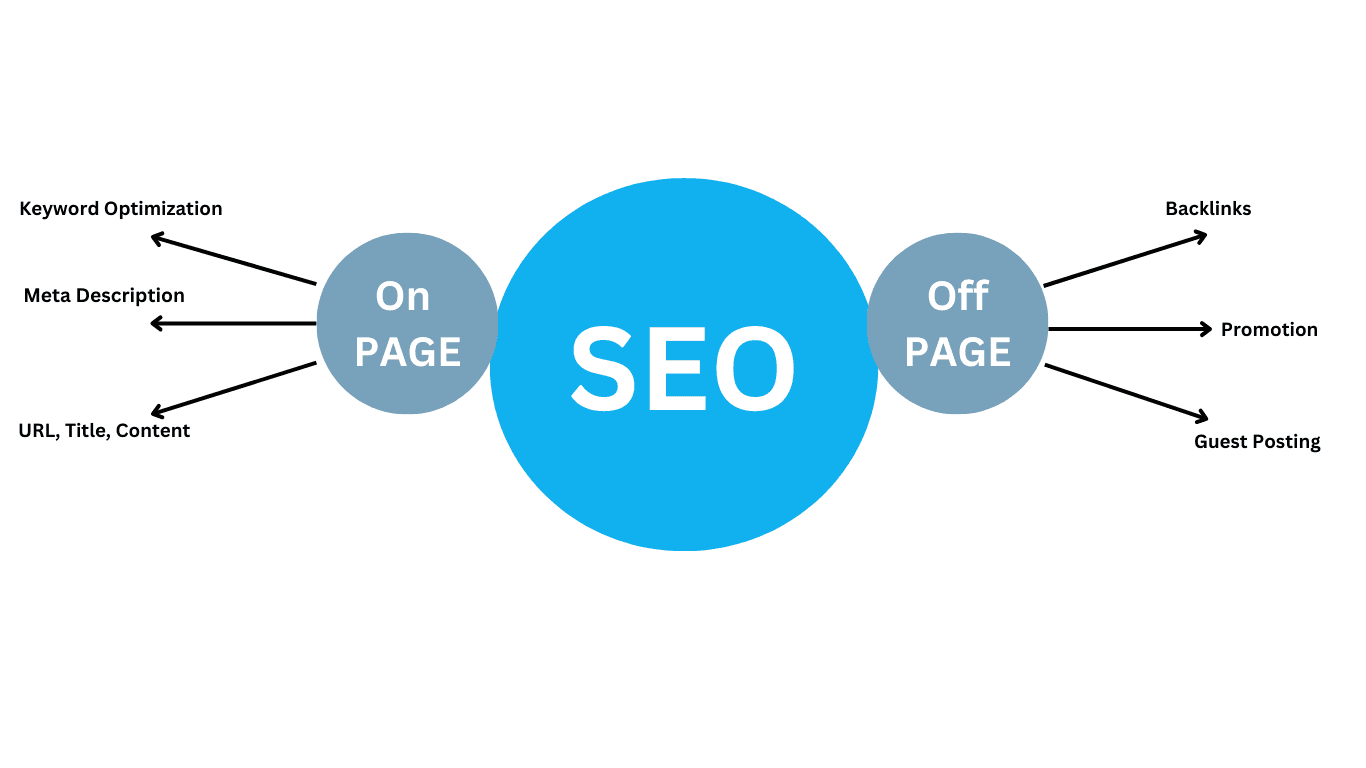
The Importance of On-Page SEO Optimization
When it comes to boosting your website’s visibility and ranking on search engine results pages (SERPs), on-page SEO optimization plays a crucial role. This process involves optimizing various elements within your website to enhance its relevance and authority in the eyes of search engines like Google.
One key aspect of on-page SEO is ensuring that your website’s content is not only high-quality and relevant but also structured in a way that is easily readable by both users and search engine crawlers. This includes using relevant keywords strategically throughout your content, optimizing meta tags, headers, and image alt text, and ensuring that your website loads quickly and is mobile-friendly.
Another important element of on-page SEO optimization is internal linking. By strategically linking to other pages within your website, you can help search engines understand the structure of your site and the relationship between different pieces of content. This can improve the overall user experience and increase the likelihood of users staying on your site longer.
Additionally, on-page SEO optimization involves optimizing technical elements such as URL structure, sitemaps, and schema markup. These elements help search engines crawl and index your site more effectively, leading to improved visibility in search results.
In conclusion, on-page SEO optimization is a critical component of any successful digital marketing strategy. By focusing on creating high-quality, relevant content and optimizing key elements within your website, you can improve your site’s visibility, attract more organic traffic, and ultimately drive better results for your business.
9 Essential Tips for Effective On-Page SEO Optimisation
- 1. Conduct keyword research to identify relevant keywords for your content.
- 2. Optimise your page title with the primary keyword and keep it under 60 characters.
- 3. Write a compelling meta description that includes relevant keywords and entices users to click.
- 4. Use headings (H1, H2, etc.) to structure your content and include keywords where appropriate.
- 5. Ensure your URL is SEO-friendly by including relevant keywords and keeping it concise.
- 6. Optimise images by using descriptive filenames and alt text containing keywords.
- 7. Create high-quality, valuable content that satisfies user intent and incorporates targeted keywords naturally.
- 8. Improve page loading speed for better user experience and SEO performance.
- 9. Build internal links within your website to improve navigation and distribute link equity.
1. Conduct keyword research to identify relevant keywords for your content.
To enhance the effectiveness of your on-page SEO optimization efforts, it is crucial to conduct comprehensive keyword research to identify relevant keywords that align with your content. By understanding the search terms and phrases that your target audience is using, you can strategically incorporate these keywords into your content to improve its visibility and relevance to search engines. This proactive approach not only helps attract organic traffic but also ensures that your content resonates with users actively seeking information related to your business or industry.
2. Optimise your page title with the primary keyword and keep it under 60 characters.
To enhance your on-page SEO performance, it is essential to optimise your page title with the primary keyword while ensuring it remains concise and under 60 characters. By incorporating the main keyword strategically in the page title, you signal to search engines the relevance of your content to specific search queries. Keeping the title within the recommended character limit not only ensures that it displays fully in search results but also maintains readability and user-friendliness. This simple yet effective tip can significantly impact your website’s visibility and ranking on search engine results pages.
3. Write a compelling meta description that includes relevant keywords and entices users to click.
When it comes to on-page SEO optimization, crafting a compelling meta description is paramount. By incorporating relevant keywords and creating a concise yet engaging summary of your webpage’s content, you not only signal to search engines the relevance of your page but also entice users to click through to your site. A well-crafted meta description can significantly impact click-through rates, making it a crucial element in driving organic traffic and improving overall search visibility for your website.
4. Use headings (H1, H2, etc.) to structure your content and include keywords where appropriate.
To enhance your on-page SEO optimization, it’s essential to utilise headings (H1, H2, etc.) effectively in structuring your content. By incorporating relevant keywords within these headings where appropriate, you can not only improve the readability and organisation of your content but also signal to search engines the key topics and themes of your webpage. This practice not only enhances user experience by providing clear sections and hierarchy but also boosts the chances of search engines recognising and ranking your content for those targeted keywords.
5. Ensure your URL is SEO-friendly by including relevant keywords and keeping it concise.
To enhance your on-page SEO performance, it is vital to ensure that your URL is SEO-friendly. By incorporating relevant keywords and maintaining a concise structure, you can effectively communicate the content of your page to search engines and users alike. A well-crafted URL not only improves the visibility of your website in search results but also enhances user experience by providing clear and informative links that accurately represent the content they lead to.
6. Optimise images by using descriptive filenames and alt text containing keywords.
Optimising images by using descriptive filenames and alt text containing keywords is a crucial aspect of on-page SEO optimisation. By naming images with relevant keywords and providing detailed alt text, you not only improve the accessibility of your website for visually impaired users but also enhance the context and relevance of your content for search engines. This practice can help boost your website’s visibility in image search results and contribute to overall SEO performance by signalling to search engines the relevance of your content to specific search queries.
7. Create high-quality, valuable content that satisfies user intent and incorporates targeted keywords naturally.
Creating high-quality, valuable content that aligns with user intent and seamlessly integrates targeted keywords is a fundamental aspect of effective on-page SEO optimization. By understanding what users are searching for and crafting content that not only meets but exceeds their expectations, websites can enhance their relevance and authority in search engine rankings. Incorporating targeted keywords naturally within the content helps search engines recognise the relevance of the page to specific queries, increasing the likelihood of it being displayed to relevant users. Ultimately, focusing on user satisfaction through valuable content creation is key to driving organic traffic and achieving sustainable online success.
8. Improve page loading speed for better user experience and SEO performance.
Improving page loading speed is a crucial aspect of on-page SEO optimization. A fast-loading website not only enhances the user experience by reducing bounce rates and keeping visitors engaged but also positively impacts SEO performance. Search engines like Google prioritize websites that load quickly, as it contributes to a better overall user experience. By optimising images, minifying CSS and JavaScript files, leveraging browser caching, and investing in reliable hosting, you can significantly boost your website’s loading speed, leading to improved search engine rankings and increased organic traffic.
9. Build internal links within your website to improve navigation and distribute link equity.
Building internal links within your website is a vital on-page SEO strategy that enhances user navigation and distributes link equity effectively. By strategically linking relevant pages within your site, you not only help users discover more valuable content but also assist search engines in understanding the structure and hierarchy of your website. This practice can boost the authority of important pages, improve overall user experience, and ultimately contribute to higher rankings on search engine results pages.