
On-Site SEO Services: A Practical Guide to Improving Your Website
On-site SEO services help improve the pages and technical foundations of a website so that search engines can understand it and visitors can use it more easily. From refining page titles and content to improving site speed and internal links, effective on-site optimisation supports stronger visibility in organic search and a better experience for potential customers.
SEO is not simply a matter of adding keywords to a page. It involves understanding what people are looking for, making useful information easy to find and ensuring that a website works reliably across devices.
What are on-site SEO services?
On-site SEO, also known as on-page SEO, covers improvements made within a website. These may apply to individual pages, the site structure or its technical performance. The aim is to help search engines interpret the site while making its content clearer and more helpful for users.
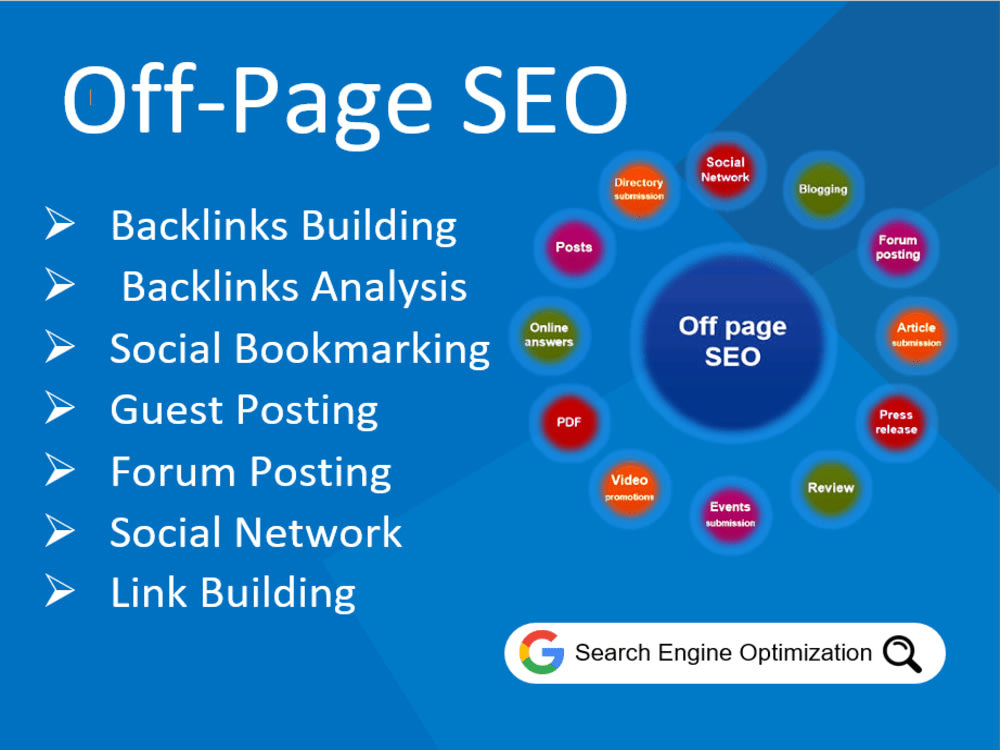
On-site SEO is one part of a wider SEO strategy. It is distinct from off-site SEO, which focuses on external signals such as links and brand mentions, although the two approaches can complement one another.
What do on-site SEO services include?
Keyword and search intent research
Keyword research identifies the words and phrases people use when searching for a product, service or answer. A good strategy also considers search intent: what the person is trying to achieve. For example, someone searching for “how to improve page speed” may want guidance, while someone searching for “technical SEO services” may be comparing providers.
Matching pages to the right topics and intent helps prevent content from being unfocused or repetitive. It can also reveal gaps in the website that new or improved pages could address.
Page titles and meta descriptions
Title tags and meta descriptions help describe a page in search results. They should be accurate, distinct and relevant to the page’s subject. A clear title can help both search engines and searchers understand what a page offers. Meta descriptions do not directly determine rankings, but a useful summary may encourage more people to visit.
Content optimisation
Content should answer the visitor’s questions clearly and demonstrate a good understanding of the subject. On-site SEO services may include reviewing existing copy, improving headings, filling information gaps and making content easier to scan.
Good optimisation prioritises usefulness and accuracy. Keywords should appear naturally where they help explain the topic, rather than being repeated excessively. Depending on the website, content improvements might cover service pages, product descriptions, category pages, articles or frequently asked questions.
Headings and page structure
Headings organise information into clear sections. A logical structure makes a page easier to read and helps search engines interpret its content. Each page should have a clear main heading, followed by relevant subheadings that describe the sections beneath them.
Internal linking and site structure
Internal links connect pages on the same website. They can guide visitors to related information and help search engines discover and understand important pages. An effective site structure groups related content logically, keeps key pages accessible and avoids unnecessary complexity.
Descriptive link text is generally more helpful than vague wording such as “click here”, as it gives users a better idea of where a link will take them.
Technical improvements
Technical SEO supports the way a website is crawled, indexed and used. Depending on the site, an audit may identify issues involving:
- Page speed and overall performance
- Mobile usability and responsive design
- Broken links and redirect chains
- Duplicate or missing page information
- XML sitemaps and robots.txt files
- Canonical tags and indexation settings
- Structured data, where appropriate
- HTTPS and other security considerations
Technical recommendations should be prioritised according to their impact and the requirements of the website. Not every site needs the same changes, and some updates may require input from a developer.
Image optimisation and accessibility
Images can make a page more engaging, but large files may affect loading times. Optimisation can involve selecting suitable file formats, reducing file sizes and using descriptive alternative text where an image conveys meaningful information. Alternative text also supports people who use screen readers.
Why invest in on-site SEO?
A well-optimised website can make it easier for search engines to find and interpret its pages. It can also help visitors locate relevant information, navigate between sections and take the next step, whether that means making an enquiry, purchasing a product or reading more.
On-site SEO is an ongoing process rather than a one-off fix. Search behaviour, competitors, website technology and business priorities can change over time. Regular reviews help identify new opportunities and catch problems before they affect important pages.
How an on-site SEO project typically works
- Review the website: Assess its content, structure, performance and current search visibility.
- Identify opportunities: Find issues and improvements based on the site’s goals, audience and search landscape.
- Set priorities: Create a practical plan that distinguishes urgent technical fixes from longer-term content work.
- Implement changes: Update pages and technical elements, working with the website owner or development team where needed.
- Measure and refine: Monitor relevant indicators, such as organic traffic, rankings, engagement and conversions, then adjust the plan as needed.
Choosing an on-site SEO provider
Look for a provider that explains its recommendations clearly and connects them to your business objectives. A reliable service should begin with an assessment of your website, set realistic expectations and outline how progress will be measured. Be cautious of guarantees of specific rankings: search results are influenced by many factors, and no provider can control them entirely.
The most effective on-site SEO services combine technical understanding with thoughtful content strategy. By making a website easier to explore, understand and use, businesses can build a stronger foundation for long-term organic growth.
5 Essential On-Site SEO Tips to Improve Your Website
- Use clear, descriptive page titles and meta descriptions.
- Organise content with logical headings and concise URLs.
- Improve page speed and mobile usability.
- Add relevant internal links between related pages.
- Use descriptive alt text for important images.
Use clear, descriptive page titles and meta descriptions.
Use clear, descriptive page titles and meta descriptions to help people understand what each page offers before they visit. A page title should be concise, unique and relevant to its main topic, while the meta description should give a useful summary and encourage searchers to click. Avoid vague wording and keyword stuffing; accurate, natural language is more helpful to both users and search engines.
Organise content with logical headings and concise URLs.
Organise each page with a clear, descriptive main heading and logical subheadings so visitors can scan the content and find what they need. Keep URLs concise, readable and relevant to the page topic, using words separated by hyphens rather than long strings of numbers or unnecessary parameters. A clear structure helps users navigate your site and gives search engines useful context about each page.
Improve page speed and mobile usability.
Improving page speed and mobile usability makes your website easier to use and helps visitors find what they need without delay. Compress images, reduce unnecessary scripts and use reliable hosting to help pages load faster. Make sure the layout adapts to different screen sizes, with readable text, clear navigation and buttons that are easy to tap. A faster, mobile-friendly experience can reduce frustration, encourage visitors to stay longer and support your wider on-site SEO efforts.
Add relevant internal links between related pages.
Add relevant internal links between related pages to help visitors discover useful information and move naturally through your website. For example, a service page could link to a related case study, guide or frequently asked questions page. Clear, descriptive link text helps people understand what to expect, while a logical linking structure can also help search engines find and interpret your important pages. Keep links genuinely relevant and prioritise those that make the experience more helpful.
Use descriptive alt text for important images.
Use descriptive alt text for important images to explain what they show and why they matter to the page. Clear, concise descriptions help people using screen readers understand visual content and give search engines useful context. Focus on the image’s purpose rather than listing keywords, and leave decorative images with empty alt text so they do not create unnecessary noise for assistive technology.