
Paid Search Engine Optimisation: A Practical Guide
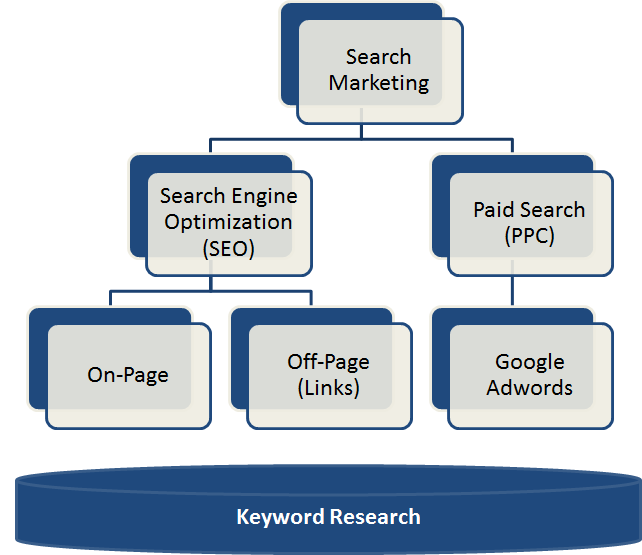
Paid search engine optimisation is the process of using paid advertising to make a business more visible in search engine results. It is commonly known as paid search or pay-per-click (PPC) advertising. Unlike organic search engine optimisation (SEO), which aims to improve unpaid rankings over time, paid search places adverts in prominent positions for selected search queries.
For businesses looking to reach potential customers quickly, paid search can be a useful part of a wider digital marketing strategy. Its effectiveness depends on more than simply paying for clicks: campaigns need relevant keywords, compelling adverts, carefully managed budgets and landing pages that meet users’ needs.
How paid search works
Advertisers create campaigns on platforms such as Google Ads or Microsoft Advertising. They choose the search terms, or keywords, for which they would like their adverts to appear, then set a budget and bidding approach. When someone searches for a relevant term, the platform runs an auction to decide which adverts may appear and in what order.
The highest bid does not automatically guarantee the top position. Search platforms also consider factors such as the relevance of the advert, the expected click-through rate and the quality of the landing page. These elements can affect both visibility and the cost of advertising.
Most search campaigns use a cost-per-click model, meaning the advertiser pays when someone clicks an advert. Other bidding strategies may focus on actions such as leads, purchases or a target return on advertising spend.
Paid search and organic SEO
Paid search and organic SEO both help businesses appear in search results, but they work differently. Paid adverts can start attracting visibility soon after a campaign goes live, while organic SEO typically requires sustained work on content, technical performance and authority. Paid visibility generally stops when the campaign budget is paused; organic rankings can continue to bring visitors, although they may fluctuate and still require ongoing attention.
The two approaches can complement one another. Paid campaigns can test which search terms attract valuable enquiries, while organic SEO can build longer-term visibility around relevant topics. Insights from each channel can help inform the other.
Benefits of paid search
- Speed: Campaigns can begin reaching searchers soon after approval, unlike organic strategies that may take time to gain traction.
- Targeting: Advertisers can focus on particular search terms, locations, devices and audiences, subject to platform settings and policies.
- Budget control: Daily or campaign budgets can be set and adjusted, making spend easier to monitor.
- Measurability: Clicks, calls, leads and sales can be tracked when campaigns and analytics are configured appropriately.
- Testing: Different adverts, offers and landing pages can be compared to learn what resonates with potential customers.
Common challenges
Paid search can become expensive if campaigns attract irrelevant clicks or fail to convert visitors into customers. Broad or poorly chosen keywords may use up budget without generating useful results. Competition can also raise the cost of advertising, particularly in busy markets.
Another common issue is sending visitors to a page that does not match the promise made in the advert. If the page is slow, confusing or difficult to use on a mobile device, potential customers may leave before taking action. Campaign performance should therefore be assessed across the full journey, from search query to landing page and conversion.
How to build a stronger paid search campaign
- Set clear objectives. Decide whether the campaign is intended to generate sales, enquiries, bookings, phone calls or another measurable outcome.
- Research search terms. Identify the phrases potential customers use, and consider their intent. Someone searching for a specific service may be closer to making a decision than someone looking for general information.
- Organise keywords into focused groups. Closely related search terms make it easier to write relevant adverts and direct users to suitable pages.
- Write clear, accurate adverts. Explain what is offered, highlight a genuine benefit and include a relevant next step. Avoid promises that the landing page or business cannot fulfil.
- Use negative keywords. Exclude searches that are unlikely to be relevant, helping to reduce wasted spend.
- Improve the landing page. Make sure it matches the advert, loads quickly, works well on mobile devices and makes the next action clear.
- Track meaningful conversions. Configure analytics and conversion tracking so that campaign decisions are based on valuable outcomes, not just clicks.
- Review and refine regularly. Check search queries, costs and conversion data. Use what you learn to adjust bids, budgets, keywords, adverts and landing pages.
Measuring results
Clicks and impressions can indicate whether adverts are being seen and attracting interest, but they do not tell the whole story. Useful performance measures may include cost per lead, conversion rate, revenue, return on advertising spend and the quality of enquiries. The right measures depend on the campaign’s objectives and the way the business generates revenue.
Results should also be interpreted in context. A campaign may need time to gather reliable data, and not every conversion will happen immediately after an advert is clicked. Accurate tracking, realistic expectations and regular analysis make it easier to understand what is working.
Is paid search right for your business?
Paid search may suit businesses that want to reach people actively looking for particular products or services, test demand or support a time-sensitive offer. Before investing, consider the likely value of a customer, the competitiveness of the search terms and whether the website is ready to convert visitors.
Paid search is not a guaranteed route to profit, and simply increasing a budget will not necessarily improve results. A considered campaign combines relevant targeting, useful adverts, a strong landing-page experience and ongoing measurement.
Conclusion
Paid search engine optimisation—more commonly called paid search or PPC—is a way to buy visibility in search results and reach people looking for relevant products or services. It can deliver targeted traffic and measurable insights, but its success depends on careful planning and continuous improvement. Used alongside organic SEO, it can form a valuable part of a balanced search marketing strategy.
9 Tips to Optimise Your Paid Search Campaigns
- Set clear goals for every campaign.
- Choose keywords with strong purchase intent.
- Use negative keywords to cut wasted spend.
- Match each ad to a focused landing page.
- Write concise ads with clear calls to action.
- Test headlines and descriptions regularly.
- Track conversions, not just clicks.
- Adjust bids using performance data.
- Review search terms and budgets weekly.
Set clear goals for every campaign.
Set clear goals for every paid search campaign before you choose keywords or set a budget. Decide what success means for your business, whether that’s generating qualified leads, increasing online sales, encouraging bookings or driving calls. Specific, measurable goals help you choose the right bidding strategy, focus your budget and track meaningful results—not just clicks. Review performance against those goals regularly and adjust the campaign where needed.
Choose keywords with strong purchase intent.
Choose keywords with strong purchase intent to reach people who are closer to making a purchase or enquiry. Specific searches such as “buy running shoes online” or “emergency plumber in Bristol” often show clearer intent than broad terms such as “shoes” or “plumbing”. Review your search-term data, focus on phrases that match your products or services, and exclude irrelevant searches with negative keywords. This can help make your paid search budget work harder by attracting more relevant visitors.
Use negative keywords to cut wasted spend.
Use negative keywords to prevent your adverts from appearing for searches that are unlikely to lead to a sale or enquiry. For example, if you offer paid software, you might exclude terms such as “free” or “jobs” if those searches aren’t relevant to your business. Regularly review your search term reports to spot irrelevant queries and add them as negative keywords. This helps focus your budget on more relevant searches and can improve campaign efficiency.
Match each ad to a focused landing page.
Match each advert to a focused landing page that directly reflects its message and the searcher’s needs. If an advert promotes a particular service, take visitors to a page about that service rather than a generic home page. Keep the page clear, relevant and easy to use, with a strong call to action and a smooth mobile experience. This consistency helps visitors find what they expect, can improve conversion rates and may support stronger paid search performance.
Write concise ads with clear calls to action.
Write concise adverts that quickly explain what you offer and why it matters to the searcher. A clear call to action, such as “Book a consultation” or “Shop now”, tells people what to do next and helps set accurate expectations before they click. Make sure the advert’s message matches the landing page, so visitors can easily find the information or service they were promised.
Test headlines and descriptions regularly.
Test your paid search headlines and descriptions regularly to find out which messages resonate most with your audience. Try different benefits, calls to action and wording, while changing one element at a time where possible. Review performance using relevant measures, such as click-through and conversion rates, and use the results to refine your adverts. Regular testing helps keep your campaigns relevant and can improve results over time.
Track conversions, not just clicks.
Track conversions, not just clicks. A click shows that someone visited your website, but it doesn’t tell you whether they made a purchase, submitted an enquiry or took another valuable action. Set up conversion tracking to measure the outcomes that matter to your business, then use that data to assess which keywords and adverts are delivering results. This helps you spend your budget more effectively and optimise campaigns for genuine business growth.
Adjust bids using performance data.
Adjust bids using performance data rather than relying on guesswork. Review which keywords, devices, locations and times of day generate valuable conversions, then increase bids where results justify the extra spend and reduce them where costs are high but returns are low. Allow enough time for reliable data to build up, and consider conversion value—not just clicks—when making changes. Regular monitoring helps your budget focus on the searches most likely to support your business goals.
Review search terms and budgets weekly.
Reviewing search terms and budgets each week helps keep paid search campaigns relevant and cost-effective. Check which queries are generating valuable clicks and conversions, and add irrelevant searches as negative keywords to reduce wasted spend. Then compare performance with your goals and adjust budgets towards the campaigns and keywords delivering the strongest results. Regular weekly checks also make it easier to spot sudden changes early and respond before they have a significant impact.