
SEO as a Marketing Strategy: Building Long-Term Visibility
Search engine optimisation (SEO) is more than a way to improve rankings. It is a marketing strategy that helps businesses become easier to find when people are searching for information, products or services. By combining useful content, technical improvements and a better understanding of customer needs, SEO can support sustainable growth across the entire customer journey.
Unlike paid advertising, which generally stops generating visits when the budget runs out, SEO can continue to attract relevant traffic over time. It does require consistent investment and patience, but when it is aligned with wider business goals, it can become a valuable part of a company’s marketing mix.
What does SEO involve?
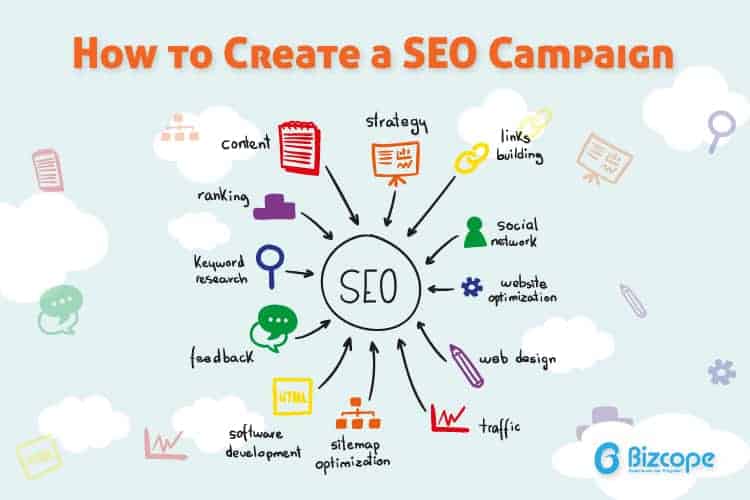
SEO brings together several activities designed to help search engines understand a website and help people use it. These typically include:
- Keyword and audience research: discovering what potential customers search for and what they need to know.
- Content optimisation: creating and improving pages so they answer relevant questions clearly and accurately.
- Technical SEO: addressing issues such as page speed, mobile usability, site structure and crawlability.
- On-page optimisation: improving headings, page titles, internal links and other elements that help communicate a page’s purpose.
- Authority building: earning credible mentions and links that help establish a website’s reputation.
These elements work best together. A technically sound website may still struggle if its content does not meet users’ needs; equally, excellent content may be difficult to discover if search engines cannot access it properly.
Why make SEO part of your marketing strategy?
Reach people with relevant intent
Search gives businesses an opportunity to connect with people who are actively looking for answers or solutions. Someone comparing service providers, researching a product or seeking practical advice may be closer to taking action than someone who has simply encountered a general advert. SEO can help a business appear at these different stages of the decision-making process.
Build trust and credibility
Strong search visibility can help a brand become familiar to its audience. More importantly, helpful, accurate content demonstrates expertise and gives prospective customers a reason to trust the business. Rankings alone do not guarantee credibility: the experience people have after clicking through matters just as much.
Support other marketing channels
SEO insights can inform content marketing, public relations, social media and paid search. For example, research may reveal the questions customers ask most often, while performance data can show which topics attract valuable visitors. SEO can also support paid campaigns by helping businesses understand search demand and improve the relevance of their landing pages.
Create an asset that can compound over time
A useful page can attract visitors for months or years, provided it remains relevant and is maintained. This makes SEO a long-term investment rather than a quick campaign. Results vary by market, competition, website condition and the resources available, so businesses should avoid expecting immediate gains.
How to develop an effective SEO strategy
- Set clear business objectives. Decide what SEO should contribute, such as qualified enquiries, online sales, bookings or awareness in a particular market.
- Understand your audience. Identify their needs, concerns and language. Research search terms, but focus on the intent behind them rather than treating keywords as a checklist.
- Review your website. Assess its technical health, structure, content quality and usability. Address problems that prevent search engines or visitors from accessing important pages.
- Plan useful content. Create pages that answer genuine questions and help people make informed decisions. Give each page a clear purpose and avoid producing multiple pages that compete for the same searches.
- Improve the user experience. Make pages easy to navigate, quick to load and comfortable to use on mobile devices. Clear calls to action help visitors take the next step.
- Measure and refine. Review performance regularly, learn from the data and update the strategy as customer behaviour and search results change.
Measuring SEO performance
Rankings can provide useful context, but they should not be the only measure of success. A practical measurement framework connects search performance to business outcomes. Depending on the organisation’s goals, this may include:
- organic visits to important pages;
- qualified leads, sales or other conversions from organic search;
- conversion rates and the value of those conversions;
- visibility for relevant topics and search terms;
- engagement with content and progress through the customer journey; and
- technical indicators such as indexing, page experience and site health.
It is also important to consider the wider context. Seasonality, changes in demand, competitor activity and updates to search engines can all affect performance. Regular reporting should explain not only what changed, but why it matters and what action will follow.
Common mistakes to avoid
SEO is less effective when it is treated as a one-off task or reduced to inserting keywords into pages. Other common mistakes include publishing content without a clear audience, relying on low-quality links, ignoring technical problems and measuring success solely by rankings. Businesses should also be cautious of promises of guaranteed positions or instant results. Search performance depends on many factors, and responsible SEO focuses on sustainable improvements rather than shortcuts.
SEO as a long-term marketing investment
SEO works best when it is connected to a business’s wider marketing and customer experience. It helps organisations understand what people are looking for, provide useful answers and make their websites easier to discover and use. While it takes time and ongoing attention, a well-planned SEO strategy can build lasting visibility, attract relevant audiences and contribute to measurable business growth.
Six Compelling Advantages of SEO as a Marketing Strategy
- Attracts people actively searching for your products or services.
- Builds long-term visibility in search results.
- Can deliver traffic beyond the lifespan of paid adverts.
- Strengthens trust with useful, relevant content.
- Provides insights into customer needs and search behaviour.
- Supports other digital marketing channels.
Challenges of SEO as a Marketing Strategy: Delayed Results, Algorithm Changes, Costly Competition, and Traffic Limitations
- SEO can take months to deliver noticeable results.
- Search engine algorithm changes can affect rankings.
- Competitive keywords may require significant time and budget.
- Traffic does not guarantee leads or sales.
Attracts people actively searching for your products or services.
SEO helps your business reach people who are already looking for the products or services you offer. By appearing in relevant search results, you can connect with potential customers at the moment they are researching options or ready to take action. This makes it easier to attract visitors with genuine interest, rather than relying solely on marketing messages shown to a broad audience.
Builds long-term visibility in search results.
SEO can build long-term visibility in search results by helping a website earn strong rankings for relevant searches over time. Unlike paid adverts, which usually disappear when the budget runs out, well-optimised pages can continue attracting potential customers long after they are published. With regular updates and useful, relevant content, businesses can maintain their presence in search results and reach people actively looking for their products or services.
Can deliver traffic beyond the lifespan of paid adverts.
Unlike paid adverts, which typically stop attracting visitors as soon as a campaign ends or its budget runs out, SEO can continue to bring people to a website long after the initial work is complete. A well-optimised page that answers a real search need may remain visible and attract relevant organic traffic over time. Although it needs regular monitoring and updating, SEO can build a lasting source of visits rather than one that depends entirely on ongoing advertising spend.
Strengthens trust with useful, relevant content.
SEO can strengthen trust by helping businesses publish useful, relevant content that answers their audience’s questions and addresses their needs. Clear, accurate information demonstrates expertise and gives people confidence in a brand before they make contact or purchase. By keeping content helpful, up to date and easy to understand, businesses can build credibility and lasting relationships with potential customers.
Provides insights into customer needs and search behaviour.
SEO provides valuable insight into what customers need and how they search for solutions. By analysing the phrases people use, the questions they ask and the content they engage with, businesses can better understand their concerns, priorities and buying intentions. These insights can inform website content, products and services, and wider marketing decisions—helping a business provide more relevant information and connect with its audience at the right moment.
Supports other digital marketing channels.
SEO can strengthen other digital marketing channels by revealing what your audience is searching for, the questions they ask and the content they find useful. These insights can shape content marketing, social media campaigns, paid search and email messaging, helping each activity feel more relevant and consistent. SEO can also improve landing pages, making them more useful to visitors arriving from adverts or social posts. When channels share insights and support the same goals, your marketing can work together more effectively.
SEO can take months to deliver noticeable results.
One drawback of SEO as a marketing strategy is that it can take months to deliver noticeable results. Search engines need time to discover and assess website changes, while competitive search results can make it harder for new or smaller businesses to gain visibility quickly. This means SEO may not be the best option for businesses seeking immediate leads or sales, and it requires patience, consistent effort and realistic expectations.
Search engine algorithm changes can affect rankings.
One drawback of SEO is that search engine algorithm changes can affect a website’s rankings, sometimes with little warning. A page that once attracted strong visibility may lose traffic if search engines adjust how they assess content, relevance or user experience. This uncertainty means SEO results cannot be guaranteed, and businesses need to monitor performance, keep content up to date and adapt their strategy as search practices evolve.
Competitive keywords may require significant time and budget.
One drawback of SEO is that competing for popular keywords can take significant time and budget. Established businesses may already have strong websites, quality content and many trusted links, making it difficult for newer or smaller organisations to gain visibility quickly. Progress often depends on sustained investment in research, content creation and technical improvements, with results taking months to emerge. For businesses with limited resources, it may be more practical to target specific, less competitive searches first while building their presence over time.
Traffic does not guarantee leads or sales.
A high volume of organic traffic does not automatically translate into leads or sales. Visitors may be looking for information rather than intending to buy, or they may leave if the website’s content, user experience or offer does not meet their needs. For SEO to contribute to business growth, it is important to attract the right audience and provide clear, relevant next steps that encourage visitors to enquire or make a purchase.