
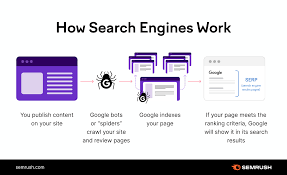
The Importance of Mobile Search Engine Optimization
In today’s digital age, the use of mobile devices for browsing the internet has skyrocketed. With more and more users accessing websites through smartphones and tablets, it has become crucial for businesses to prioritize mobile search engine optimization (SEO) to ensure their online presence is effectively reaching this growing audience.
Mobile SEO involves optimizing a website to provide a seamless and user-friendly experience on mobile devices. This includes ensuring fast loading times, responsive design that adapts to different screen sizes, and mobile-friendly content that is easy to read and navigate on smaller screens.
Search engines like Google have also placed a significant emphasis on mobile-friendliness in their ranking algorithms. Websites that are not optimized for mobile devices may suffer in search engine rankings, leading to decreased visibility and lower organic traffic.
By investing in mobile SEO, businesses can not only improve their search engine rankings but also enhance the overall user experience for mobile visitors. A well-optimized mobile site can lead to higher engagement, lower bounce rates, and increased conversions, ultimately driving business growth and success.
In conclusion, with the increasing prevalence of mobile usage, prioritizing mobile search engine optimization is no longer optional but essential for businesses looking to succeed in the competitive online landscape. By ensuring your website is optimized for mobile devices, you can reach a wider audience, improve user experience, and boost your online visibility and performance.
Top 5 Tips for Enhancing Mobile Search Engine Optimisation
- Optimize your website for mobile devices to ensure fast loading times and a user-friendly experience.
- Use responsive design to make sure your website adapts to different screen sizes and resolutions.
- Focus on local SEO by including location-based keywords for better visibility in local searches.
- Optimize meta tags, titles, and descriptions for mobile search results to improve click-through rates.
- Utilize Google’s mobile-friendly test tool to check the mobile-friendliness of your website and make necessary improvements.
Optimize your website for mobile devices to ensure fast loading times and a user-friendly experience.
To enhance your mobile search engine optimization, it is crucial to prioritise the optimisation of your website for mobile devices. By ensuring fast loading times and providing a user-friendly experience, you can significantly improve the overall performance of your site on smartphones and tablets. Responsive design and mobile-friendly content are key elements in creating a seamless browsing experience for mobile users, ultimately leading to increased engagement, higher rankings in search results, and improved conversion rates.
Use responsive design to make sure your website adapts to different screen sizes and resolutions.
Utilising responsive design is a fundamental tip in mobile search engine optimisation. By implementing this approach, your website can seamlessly adjust to various screen sizes and resolutions, providing users with an optimal viewing experience across different devices. Responsive design not only enhances user satisfaction but also contributes to improved search engine rankings by demonstrating a commitment to accessibility and user-friendliness. Prioritising responsive design in your mobile SEO strategy ensures that your website remains visually appealing and functional, regardless of the device used to access it.
Focus on local SEO by including location-based keywords for better visibility in local searches.
Focusing on local SEO by incorporating location-based keywords is a powerful strategy to enhance visibility in local searches. By including specific geographical terms relevant to your target audience, such as city names or regions, you can significantly improve your chances of appearing in local search results. This approach not only helps businesses connect with nearby customers but also increases the likelihood of attracting qualified leads who are actively seeking products or services in their vicinity. Incorporating location-based keywords into your mobile SEO strategy can drive targeted traffic to your website and boost your online presence within your local community.
Optimize meta tags, titles, and descriptions for mobile search results to improve click-through rates.
Optimizing meta tags, titles, and descriptions specifically for mobile search results is a crucial tip in mobile search engine optimization. By tailoring these elements to be concise, engaging, and relevant to mobile users, businesses can significantly enhance their click-through rates. Mobile users often have limited screen space and attention span, so having compelling meta tags and descriptions that accurately represent the content can make a substantial difference in attracting clicks. Ensuring that these elements are optimized for mobile search results not only improves visibility but also increases the likelihood of users clicking through to the website, ultimately driving more traffic and potential conversions.
Utilize Google’s mobile-friendly test tool to check the mobile-friendliness of your website and make necessary improvements.
To enhance your mobile search engine optimization efforts, it is recommended to utilise Google’s mobile-friendly test tool to assess the mobile-friendliness of your website. By running your site through this tool, you can identify any potential issues that may hinder user experience on mobile devices. Subsequently, making the necessary improvements based on the test results will not only help improve your website’s performance in search engine rankings but also provide a better browsing experience for mobile users, ultimately driving increased traffic and engagement to your site.