
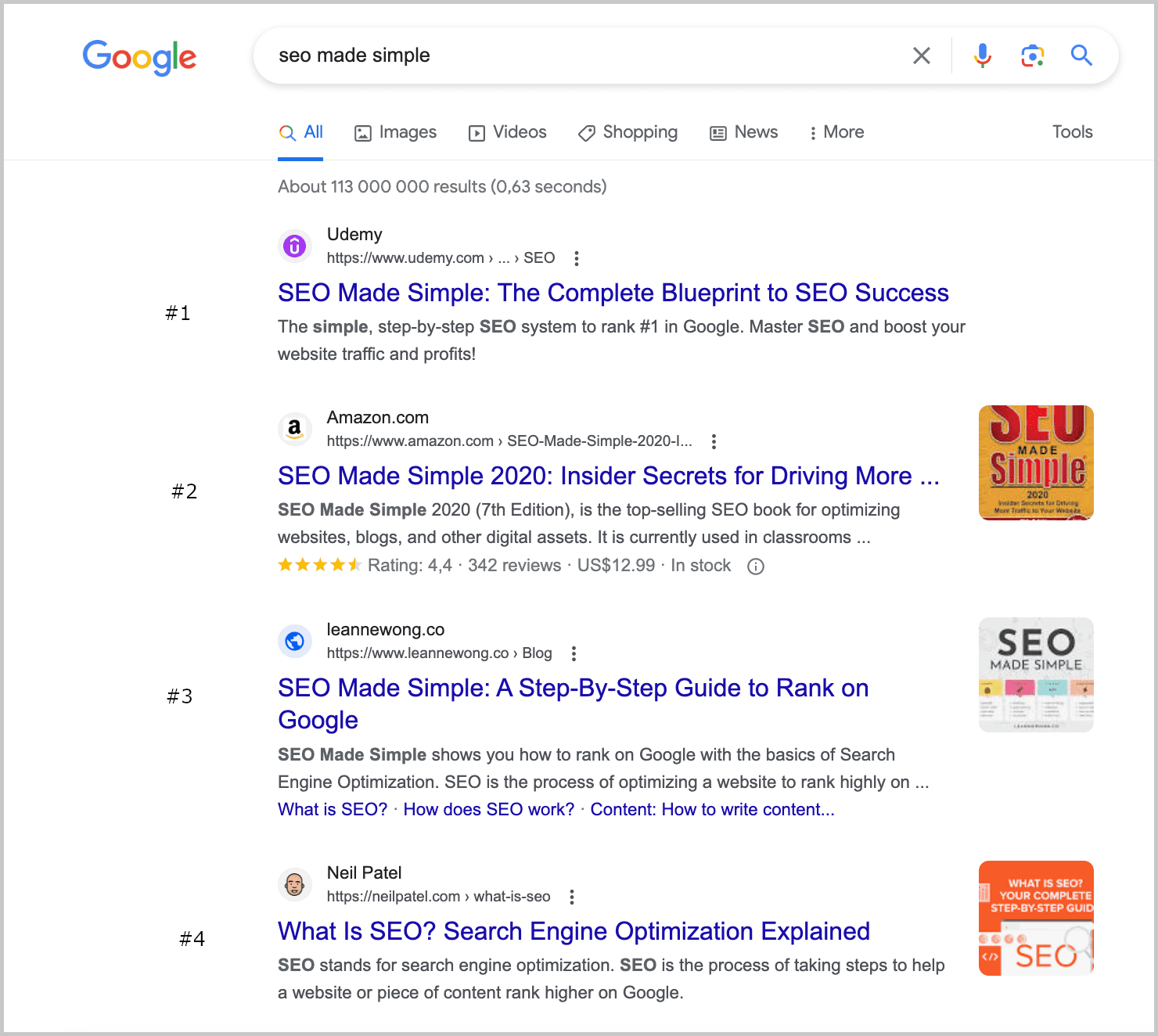
How to Achieve Higher Search Engine Rankings
Higher search engine rankings can help more people discover a website when they search for relevant products, services or information. Reaching the top of search results takes time, however. It requires a clear strategy, useful content and a website that is easy for both visitors and search engines to understand.
There is no guaranteed shortcut to lasting visibility. Search engines assess many signals, and their algorithms change over time. The most dependable approach is to make a website genuinely helpful, technically accessible and relevant to the searches it aims to serve.
Understand what your audience is searching for
Effective search engine optimisation (SEO) starts with understanding your audience. Keyword research can reveal the words and questions people use when looking for information, products or services. It can also show whether a search is informational, commercial or focused on a particular location.
Choose topics that are closely connected to your business and the needs of your intended readers. A useful page should address the purpose behind a search, rather than simply repeat a target phrase. Grouping related keywords around a topic can help create focused pages without forcing awkward wording into the copy.
Create useful, original content
Content should answer readers’ questions clearly and accurately. Include the details they need to make a decision, explain unfamiliar concepts and keep information up to date. Original insights, practical guidance and relevant examples can make a page more valuable than a collection of general statements.
Give each page a clear purpose. Avoid publishing several pages that cover the same subject in nearly identical ways, as this can make it difficult for readers and search engines to know which page is most relevant. Where appropriate, update existing pages with new information instead of creating another page on the same topic.
Improve on-page SEO
On-page SEO helps search engines interpret the content of a page. Include the main topic naturally in the page title, main heading and relevant sections. Write a concise meta description that accurately summarises the page and gives people a reason to visit from search results.
Use descriptive subheadings to organise longer content. Add links to other relevant pages on the website, using clear anchor text that tells readers what to expect. Images should have descriptive file names and appropriate alternative text when they convey meaningful information.
Make the website technically accessible
Search engines need to find, crawl and understand a website’s pages. A logical site structure, working internal links and a correctly configured XML sitemap can support discovery. Check that important pages are not accidentally blocked from crawling or marked as unavailable for indexing.
Website performance also matters to visitors. Pages should load reliably, work well on mobile devices and be easy to navigate. Use secure HTTPS, fix broken links and address technical errors that prevent people from accessing content. Tools such as Google Search Console can help identify indexing and performance issues.
Build relevant links and credibility
Links from other reputable websites can help people discover your content and provide useful context about its relevance. Focus on earning links through strong resources, genuine partnerships, quality digital public relations and content that others have a reason to reference.
Avoid buying links or using schemes designed to manipulate rankings. These tactics can put a website’s search visibility at risk. Credibility is better supported by accurate information, clear authorship where appropriate, transparent business details and a consistent reputation across relevant channels.
Measure progress and keep improving
SEO is an ongoing process, not a one-off task. Track relevant measures such as organic clicks, impressions, conversions and the performance of important landing pages. Rankings can fluctuate, so assess trends over time rather than reacting to a single change.
Use the data to identify pages that are gaining visibility, pages that need improvement and searches that are bringing the wrong audience. Regular reviews can help keep content accurate and ensure the website continues to meet users’ needs.
Focus on lasting results
Higher search engine rankings are most valuable when they bring the right people to a website and help them complete their next step. By researching audience needs, publishing useful content, maintaining a sound technical foundation and measuring results, businesses can build stronger organic visibility over time.
Higher Search Engine Rankings: 7 Frequently Asked Questions
- How can I improve my website’s search engine rankings?
- How long does it take to achieve higher search engine rankings?
- Which factors have the biggest impact on search engine rankings?
- Does publishing high-quality content help improve rankings?
- How important are backlinks for higher search engine rankings?
- Can technical SEO improve my website’s position in search results?
- How can I track changes in my search engine rankings?
How can I improve my website’s search engine rankings?
To improve your website’s search engine rankings, create useful, original content that answers your audience’s questions and reflects the phrases they use when searching. Make sure your pages have clear titles and headings, load quickly, work well on mobile devices and are easy for search engines to find and understand. Build relevant internal links, earn credible links from reputable websites, and use tools such as Google Search Console to spot technical issues and monitor progress. SEO takes time, so review and refine your approach regularly rather than relying on shortcuts.
How long does it take to achieve higher search engine rankings?
There’s no fixed timescale for achieving higher search engine rankings. It may take a few weeks to several months to see meaningful progress, depending on factors such as your website’s age and condition, competition, content quality and the SEO work involved. Improvements are rarely instant, so focus on consistent, sustainable optimisation and track performance over time.
Which factors have the biggest impact on search engine rankings?
The biggest influences on search engine rankings are how well a page matches the searcher’s intent, the quality and usefulness of its content, and whether search engines can reliably crawl and understand it. Other important factors include relevant links from reputable websites, a clear site structure, mobile usability, page speed and a secure, trustworthy experience. The relative importance of these signals varies by search and competition, so there is no single ranking factor to focus on; the strongest approach is to improve the overall quality and relevance of your website.
Does publishing high-quality content help improve rankings?
Yes, publishing high-quality content can help improve search engine rankings by giving visitors useful, relevant information that meets their needs. Clear, original and up-to-date content can also help search engines understand what a page is about. There are no guaranteed ranking gains, though: content works best as part of a broader SEO approach that also considers technical performance, user experience and relevant links.
How important are backlinks for higher search engine rankings?
Backlinks can support higher search engine rankings by signalling that other websites consider your content useful or trustworthy. However, quality matters more than quantity: links from relevant, reputable websites are generally more valuable than large numbers of low-quality or unrelated links. Backlinks are only one part of SEO, alongside helpful content, technical performance and a good user experience, so focus on earning links naturally through valuable resources, genuine partnerships and effective digital PR.
Can technical SEO improve my website’s position in search results?
Yes, technical SEO can help improve your website’s position in search results by making it easier for search engines to crawl, understand and index your pages. Improving site speed, mobile usability, secure connections and site structure can also create a better experience for visitors. Technical SEO does not guarantee higher rankings on its own, but it provides a strong foundation for your content and other SEO efforts to perform effectively.
How can I track changes in my search engine rankings?
You can track changes in your search engine rankings using tools such as Google Search Console and dedicated rank-tracking platforms. Monitor the keywords that matter to your business, along with impressions, clicks and average position, and compare results over time. Rankings can vary by location, device and personalisation, so treat them as a guide rather than the only measure of success. Review the data regularly alongside organic traffic and conversions to understand whether changes are bringing the right visitors to your website.