
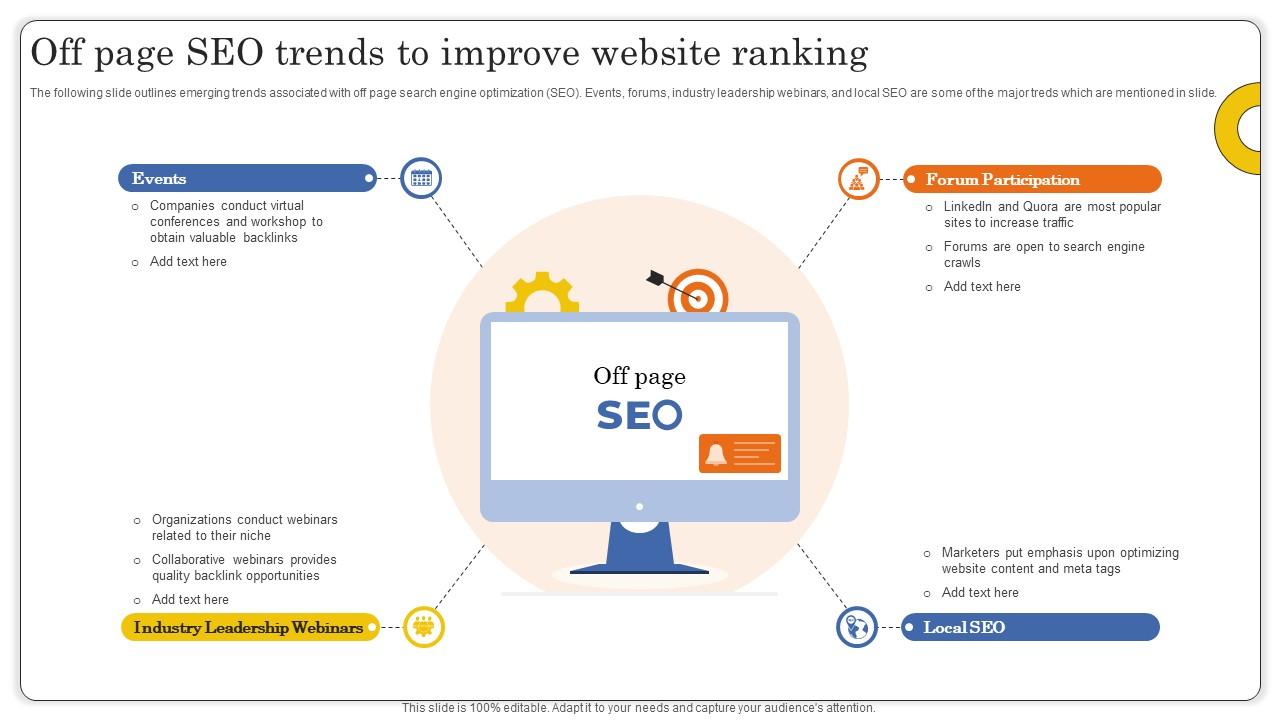
Improving Your Website SEO
Search Engine Optimization (SEO) is crucial for enhancing your website’s visibility and attracting organic traffic. Here are some tips to improve your website’s SEO:
Conduct Keyword Research:
Identify relevant keywords and phrases that your target audience is likely to search for. Use tools like Google Keyword Planner or SEMrush to discover high-traffic keywords with low competition.
Optimize On-Page Elements:
Ensure that your page titles, meta descriptions, headings, and content include your target keywords. Use descriptive URLs and optimize image alt text for better search engine visibility.
Create High-Quality Content:
Produce engaging, informative, and shareable content that adds value to your audience. Regularly update your website with fresh content to keep visitors coming back and improve search engine rankings.
Improve Website Loading Speed:
A fast-loading website not only enhances user experience but also boosts SEO rankings. Compress images, enable browser caching, and minimize HTTP requests to improve loading times.
Build Quality Backlinks:
Earn backlinks from reputable websites in your industry to establish authority and credibility. Guest posting, influencer collaborations, and creating valuable content are effective ways to attract quality backlinks.
Mobile-Friendly Design:
Optimize your website for mobile devices as Google prioritizes mobile-friendly sites in search results. Ensure responsive design, fast mobile loading speed, and easy navigation for mobile users.
Monitor Performance with Analytics:
Track key performance metrics using tools like Google Analytics to measure the effectiveness of your SEO efforts. Analyze traffic sources, user behaviour, and conversion rates to make data-driven decisions for continuous improvement.
9 Essential Tips to Enhance Your Website’s SEO Performance
- Create high-quality and relevant content
- Optimize meta tags including title tag and meta description
- Use descriptive URLs with relevant keywords
- Improve website loading speed
- Optimize images with alt text
- Utilize internal linking for better navigation
- Make sure your website is mobile-friendly
- Get backlinks from reputable websites
- Regularly monitor and analyse your SEO performance
Create high-quality and relevant content
Creating high-quality and relevant content is a cornerstone of effective SEO strategy. By producing engaging and informative content that resonates with your target audience, you not only provide value to your visitors but also signal to search engines that your website is a credible source of information. Quality content attracts organic traffic, encourages user engagement, and increases the likelihood of earning valuable backlinks from other sites. Regularly updating your website with fresh and compelling content can significantly improve your search engine rankings and establish your authority in your industry.
Optimize meta tags including title tag and meta description
Optimizing meta tags, including the title tag and meta description, is a fundamental aspect of improving website SEO. The title tag serves as the headline for your webpage in search engine results, making it crucial to include relevant keywords and provide a concise, compelling description of the page’s content. Similarly, crafting an informative meta description can entice users to click on your link by summarising what the page offers. By strategically optimizing these meta tags with targeted keywords and engaging copy, you can enhance your website’s visibility in search results and attract more organic traffic.
Use descriptive URLs with relevant keywords
Utilising descriptive URLs that incorporate relevant keywords is a fundamental aspect of enhancing website SEO. By structuring URLs that clearly indicate the content of the page, search engines can better understand and index your website’s pages. Including targeted keywords in the URL not only improves search engine visibility but also provides users with a clear idea of what to expect when clicking on the link. This practice not only aids in SEO efforts but also contributes to a more user-friendly browsing experience, increasing the likelihood of attracting organic traffic and improving overall website performance.
Improve website loading speed
Improving website loading speed is a critical aspect of enhancing SEO performance. A fast-loading website not only provides a better user experience but also positively impacts search engine rankings. By optimizing images, enabling browser caching, and reducing unnecessary HTTP requests, you can significantly improve your website’s loading speed. Search engines like Google prioritize websites that load quickly, making it essential to address any factors that may be slowing down your site. By focusing on improving website loading speed, you can attract more visitors, reduce bounce rates, and ultimately boost your SEO efforts for better online visibility and engagement.
Optimize images with alt text
Optimizing images with descriptive alt text is a crucial aspect of improving website SEO. By providing alt text that accurately describes the content of an image, you not only enhance accessibility for visually impaired users but also provide search engines with valuable information about your visuals. Including relevant keywords in alt text can help search engines understand the context of your images and improve your overall SEO performance. Additionally, optimized alt text can contribute to better image search rankings, driving more organic traffic to your website.
Utilize internal linking for better navigation
Utilizing internal linking on your website is a valuable strategy to enhance SEO by improving navigation and user experience. By strategically linking relevant pages within your site, you can guide visitors to explore more content, increase time spent on your site, and help search engines understand the structure and hierarchy of your website. Internal links also distribute link equity throughout your site, boosting the visibility of important pages and enhancing overall SEO performance. Effective internal linking not only facilitates seamless navigation for users but also signals to search engines the relevance and significance of your content, ultimately contributing to improved rankings and organic traffic growth.
Make sure your website is mobile-friendly
Ensuring that your website is mobile-friendly is essential for improving SEO performance. With Google’s emphasis on mobile-first indexing, websites that are optimised for mobile devices are more likely to rank higher in search engine results. A mobile-friendly design enhances user experience, reduces bounce rates, and increases the chances of visitors engaging with your content. By adopting responsive design principles, fast loading speeds, and easy navigation on mobile devices, you can attract and retain a larger audience, ultimately boosting your website’s visibility and organic traffic.
Get backlinks from reputable websites
Earning backlinks from reputable websites is a crucial strategy to enhance your website’s SEO performance. By securing links from trusted sources within your industry, you can establish credibility, authority, and relevance in the eyes of search engines. Quality backlinks not only drive referral traffic but also signal to search engines that your content is valuable and deserving of higher rankings. Building a strong backlink profile through collaborations, guest posting, and creating shareable content can significantly boost your website’s visibility and organic search rankings.
Regularly monitor and analyse your SEO performance
Regularly monitoring and analysing your SEO performance is essential for maintaining a successful online presence. By tracking key metrics such as organic traffic, keyword rankings, and conversion rates, you can gain valuable insights into the effectiveness of your SEO strategies. Identifying areas of improvement and understanding user behaviour through analytics allows you to make informed decisions to optimise your website for better search engine visibility and user engagement. Consistent monitoring ensures that you stay ahead of the competition and continuously enhance your website’s SEO performance.