
Best SEO Marketing Services: How to Choose the Right Support for Your Business
Search engine optimisation (SEO) can help people find your business when they are looking for the products, services or information you provide. But SEO is not a single task. It brings together technical improvements, useful content, keyword research and ongoing analysis.
The best SEO marketing services are those that fit your goals, audience and budget — and make their work clear. This guide explains what SEO services typically include, what to look for in a provider and how to assess whether your investment is delivering value.
What are SEO marketing services?
SEO marketing services are activities designed to improve a website’s visibility in unpaid search results. They can help search engines understand a site and make its pages more relevant and useful to potential customers.
SEO is a long-term marketing channel rather than a quick fix. Results depend on factors such as your starting position, competition, website condition and the quality of the work carried out.
Common types of SEO services
SEO audits and strategy
An SEO audit reviews a website’s technical health, content, structure and search performance. A good audit prioritises practical improvements rather than presenting a long list of issues without context. The findings should inform a strategy linked to your business objectives.
Keyword and search-intent research
Keyword research identifies the phrases people use when searching online. Strong research also considers search intent — what a person is trying to achieve. This helps businesses create pages that answer relevant questions and support customers at different stages of their decision-making.
Technical SEO
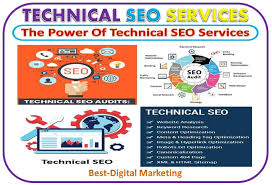
Technical SEO focuses on how easily search engines can access, crawl and understand a website. Work may include improving site speed, fixing broken links, reviewing redirects, checking mobile usability, organising site architecture and managing indexing issues.
On-page SEO
On-page SEO improves individual pages. It can involve refining headings, page titles, meta descriptions, internal links, image descriptions and page content. Changes should make pages clearer and more useful for visitors, not simply add keywords for their own sake.
Content strategy and creation
A content service can help plan, write and improve pages that address your audience’s needs. Depending on the business, this may include service pages, guides, FAQs, product descriptions or location-specific content. Quality and accuracy matter: content should offer genuine value rather than repeat generic information.
Local SEO
Local SEO supports businesses that serve customers in particular towns, cities or regions. It may include improving a business’s local listings, maintaining consistent contact details, building location pages and helping the business earn and manage customer reviews.
Digital PR and link earning
Digital PR aims to earn relevant coverage and links from other websites through newsworthy stories, useful research or expert commentary. Reputable providers focus on relevance and editorial quality. Be cautious of services that promise large numbers of links or use undisclosed, manipulative tactics.
SEO reporting and measurement
Reporting should connect SEO activity to meaningful outcomes. This may include organic traffic, visibility for relevant searches, enquiries, sales and other conversions. Rankings can provide useful context, but they are only one measure of performance.
How to choose the best SEO marketing service
Start with your business goals
Decide what SEO needs to support. You may want to increase qualified enquiries, grow online sales, attract local customers or make important information easier to find. Clear goals help you assess whether a provider’s recommendations are relevant.
Look for a tailored approach
A credible provider will ask about your business, customers, competitors and existing marketing before recommending a plan. Be wary of a one-size-fits-all package that promises the same activities and outcomes to every client.
Ask how progress will be measured
Find out which metrics will be reported, how often you will receive updates and how the provider will connect its work to your objectives. You should be able to understand what has been done, what has changed and what happens next.
Check transparency and communication
Good SEO support includes clear explanations, realistic expectations and access to information about work completed on your behalf. Ask who will manage your account and how you can raise questions or approve significant changes.
Review experience and examples
Case studies and references can help you understand how a provider approaches its work. Look for relevant experience, but remember that past results do not guarantee future performance. Ask what was measured and what other factors contributed to the outcome.
Understand the contract and ownership
Before signing, check what is included, how fees are structured, how long the agreement lasts and how either party can end it. Confirm that your business retains access to its website, analytics accounts, content and other digital assets.
SEO warning signs to watch for
- Guaranteed rankings or promises of immediate results.
- Vague explanations of the work being carried out.
- Pressure to buy links or publish large quantities of low-quality content.
- Reports focused only on rankings, with no link to business outcomes.
- Unclear ownership of your website, data or content.
- Advice to use tactics that could mislead search engines or users.
How much do SEO services cost?
SEO pricing varies according to the scope of work, the competitiveness of your market, the size and condition of your website and the level of support required. Some businesses choose a one-off audit or project; others work with a provider on an ongoing basis.
When comparing proposals, look beyond the headline price. Check the expertise included, the amount of work planned, the reporting arrangements and whether the recommendations are specific to your business. The cheapest option may not address the issues that matter most, while a higher fee does not automatically mean better results.
What to expect from an SEO partnership
A typical engagement begins with discovery and research. The provider then sets priorities, agrees a plan and carries out work in stages. Early activity may focus on fixing important technical issues or improving key pages, followed by ongoing content development, optimisation and measurement.
SEO performance can take time to develop, and no provider can control every factor affecting search results. A dependable partner will explain uncertainties, adapt the plan when evidence changes and focus on sustainable improvements to your website and marketing.
Finding the right SEO marketing service
The best SEO marketing service is not necessarily the one with the longest list of deliverables. It is the one that understands your business, recommends appropriate work and communicates progress honestly. By setting clear goals and asking the right questions, you can choose SEO support that helps improve your online visibility and contributes to wider business growth.
Top 8 Tips for Choosing the Best SEO Marketing Services in the UK
- Choose an SEO service with proven results in your industry.
- Ask for clear goals, timelines and regular reports.
- Prioritise useful content that meets searchers’ needs.
- Check that technical SEO is part of the service.
- Look for ethical link-building practices.
- Ensure keyword research reflects UK search habits.
- Avoid promises of instant rankings or guaranteed results.
- Compare value, expertise and communication—not price alone.
Choose an SEO service with proven results in your industry.
Choose an SEO service with proven results in your industry, as experience in your market can help the provider understand your customers, competitors and the search terms that matter. Ask for relevant case studies or examples, and check how success was measured — such as growth in qualified enquiries, sales or organic traffic. While past results cannot guarantee future performance, they can help you judge whether the service has the expertise and approach to support your business goals.
Ask for clear goals, timelines and regular reports.
When choosing an SEO marketing service, ask for clear goals, realistic timelines and regular reports from the outset. Agree what success looks like for your business — such as more qualified enquiries, sales or relevant organic traffic — and how progress will be measured. SEO takes time, so a trustworthy provider should explain when you might expect to see early signs of progress, without guaranteeing specific rankings. Regular, easy-to-understand reports should show what work has been completed, what the results mean and what the next steps are.
Prioritise useful content that meets searchers’ needs.
Prioritise useful content that meets searchers’ needs by creating clear, accurate pages that answer their questions and help them take the next step. Consider what someone is trying to find, then organise the information so it is easy to understand and navigate. Avoid adding keywords unnaturally or publishing generic content simply to increase page numbers; genuinely helpful content is more valuable to readers and supports a stronger, more sustainable SEO strategy.
Check that technical SEO is part of the service.
Check that technical SEO is included in the service, as it helps search engines access, crawl and understand your website. This may involve improving site speed and mobile usability, fixing broken links and redirects, and resolving indexing issues. Ask the provider to explain which technical improvements they recommend, why they matter and how progress will be monitored.
Look for ethical link-building practices.
Look for an SEO provider that earns links through ethical, transparent practices, such as creating useful content, building genuine industry relationships and securing relevant editorial coverage. Avoid services that promise a set number of links or rely on link farms, paid links disguised as editorial mentions, or other manipulative tactics. These shortcuts can put your website’s reputation and search visibility at risk.
Ensure keyword research reflects UK search habits.
Ensure your keyword research reflects how people in the UK actually search. Search terms can vary by region, industry and everyday language, so consider British spelling, local place names and phrases commonly used by your audience. Review UK-specific search data and distinguish between similar terms where intent differs. This helps you create relevant content, attract the right visitors and avoid relying on assumptions about what potential customers are searching for.
Avoid promises of instant rankings or guaranteed results.
Be cautious of SEO providers that promise instant rankings or guaranteed results. Search engine performance depends on many factors, including competition, your website’s current condition and ongoing changes to search algorithms, so no agency can honestly guarantee a particular position or timescale. A trustworthy provider will explain what they plan to do, set realistic expectations and measure progress using meaningful indicators such as relevant traffic, enquiries and sales.
Compare value, expertise and communication—not price alone.
When comparing the best SEO marketing services, look beyond the monthly fee. Consider the value of the work, the team’s relevant expertise and how clearly they communicate their plans and progress. A lower-priced service may offer limited support, while a higher fee is only worthwhile if it reflects a thoughtful strategy, skilled delivery and transparent reporting. Choose a provider that understands your goals, explains its recommendations and helps you see how its work contributes to your business.