
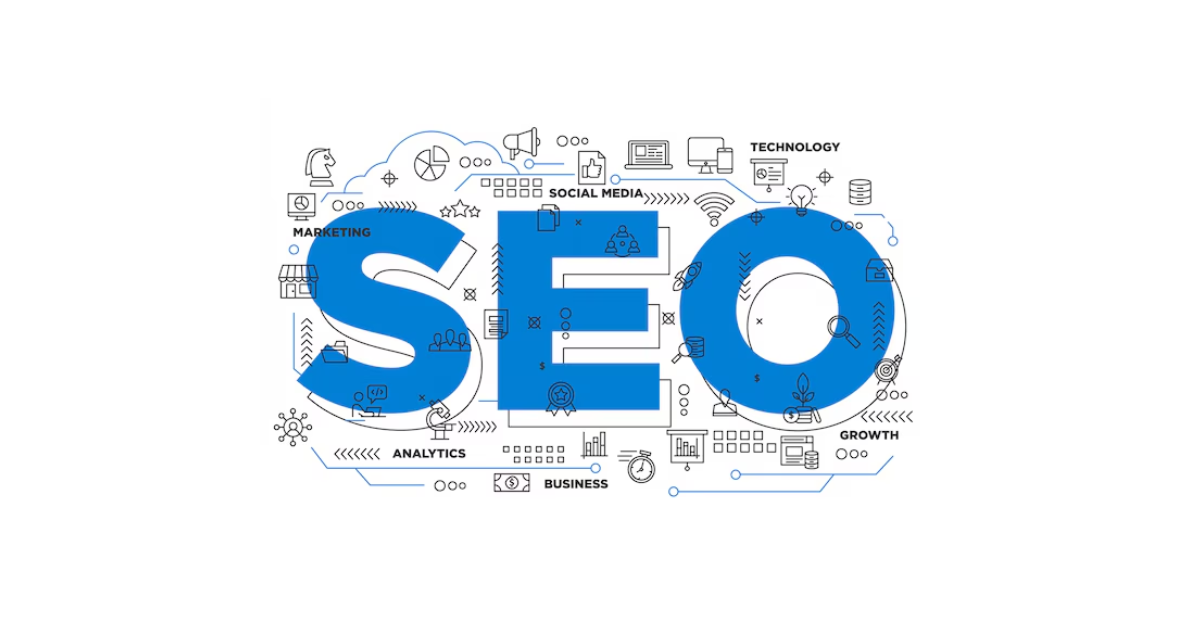
Search Engine Optimisation and Social Media: How They Work Together
Search engine optimisation (SEO) and social media are often treated as separate parts of digital marketing. In practice, they can support one another. SEO helps people discover your website through search engines, while social media gives you ways to share content, build an audience and start conversations around your brand.
Social media activity is not generally considered a direct ranking factor in Google’s search results. However, a thoughtful social strategy can contribute to outcomes that matter for SEO, such as greater awareness, more visits to your website and increased opportunities for other websites to link to your content.
What SEO does
SEO is the process of improving a website so that search engines can understand its pages and people can find useful, relevant information. It commonly involves:
- Researching the words and questions people use when searching
- Creating helpful, well-structured content
- Improving page titles, headings and internal links
- Making a website fast, accessible and easy to use on mobile devices
- Ensuring search engines can crawl and index the site correctly
- Building the site’s reputation through relevant, trustworthy references
SEO is a long-term activity. Results depend on factors such as competition, the quality of a website and how well its content meets people’s needs.
What social media contributes
Social media platforms help businesses distribute content and engage with potential customers. Depending on the audience and platform, this might mean sharing articles, publishing short videos, answering questions or taking part in relevant conversations.
Social posts usually have a shorter lifespan than search-focused content. A useful article can continue attracting visitors from search for months or years, while a social post may receive most of its attention shortly after publication. Using both channels can help content reach people in different ways and at different times.
How social media can support SEO
It can help more people discover your content
Sharing a useful page on social media can put it in front of people who may not yet know your brand. Some of those people might visit your website, subscribe to updates or share the content with others. Greater exposure does not guarantee better rankings, but it can help valuable content find an audience.
It can create opportunities for links
When content is useful, original or particularly clear, people may refer to it from their own websites, newsletters or online publications. These editorial links can help search engines understand that a page is worth considering. Social sharing does not automatically create links, but it can increase the chances that the right people see your work.
It can reveal audience interests
Comments, questions and engagement can highlight the topics your audience cares about. These insights can inform new articles, guides and frequently asked questions. Social listening can also help you understand the language people use, which may be useful when planning content and keyword research.
It can strengthen brand awareness
Regular, helpful communication can make a business more familiar to its audience. People who recognise a brand may be more likely to search for it by name or return to its website. Brand awareness should not be treated as a guaranteed ranking shortcut, but it can contribute to a stronger overall digital presence.
It can support content feedback and improvement
Social responses may show which explanations are clear, which questions remain unanswered and which formats resonate with people. This feedback can guide updates to existing pages and help make future content more useful.
How to align SEO and social media
- Start with audience needs. Identify the questions, problems and interests your customers have. Use these to guide both search-focused content and social posts.
- Create a strong resource first. Publish a well-researched page, article or guide on your website, then adapt its key ideas for different social platforms.
- Tailor each post to its platform. Avoid copying the same message everywhere. Use a format and tone that suit the platform and audience, while linking back to the full resource where appropriate.
- Make content easy to share. Use clear headlines, useful summaries and suitable images. Check that shared links display correctly and lead to a relevant page.
- Engage with people. Respond to genuine questions and comments. Conversations can offer useful insight and help build lasting relationships.
- Keep website fundamentals in order. Social promotion cannot make up for a slow, confusing or inaccessible website. Make sure landing pages work well on mobile devices and clearly meet the visitor’s needs.
- Measure each channel appropriately. Track organic search visibility, website visits, engagement and conversions. Use analytics to understand how channels contribute, rather than judging success by follower numbers alone.
Common mistakes to avoid
One common misconception is that a high number of likes or shares will directly improve a page’s search ranking. Social engagement can help content reach more people, but it should not be treated as a substitute for technical SEO, high-quality content or relevant links.
Another mistake is publishing social posts without a clear purpose. Every post does not need to promote a website page, but content should offer value: answer a question, share an insight, start a useful discussion or help people understand what the business does.
It is also important not to rely on social media alone. Platforms can change their features and distribution at any time. A website gives a business a more controlled place to publish detailed information, while social channels help distribute it.
Bringing the two together
SEO and social media serve different roles, but they can form part of a joined-up digital marketing strategy. SEO helps useful content become discoverable through search. Social media helps that content reach people, encourages discussion and can reveal what audiences want to know next.
For the best results, focus on creating genuinely useful content, making it easy to find and sharing it in ways that suit your audience. Treat search and social as complementary channels, and use clear measurement to learn what is working over time.
Seven Key Benefits of SEO and Social Media: Enhancing Visibility, Engagement, and Brand Growth
- Increases online visibility.
- Drives relevant website traffic.
- Builds brand awareness.
- Expands content reach.
- Encourages audience engagement.
- Reveals customer interests.
- Creates opportunities for quality backlinks.
Challenges of SEO and Social Media: Navigating Delays, Uncertainty, and Reputation Risks
- SEO can take months to show results.
- Search algorithms change frequently.
- Social media reach can be unpredictable.
- Platform rules may change without warning.
- Managing both channels takes time.
- Engagement doesn’t guarantee sales.
- Negative comments can harm reputation.
Increases online visibility.
Search engine optimisation and social media can work together to increase a business’s online visibility. SEO helps your website appear in relevant search results, while social media gives you more ways to share content and reach potential customers. By maintaining a clear, consistent presence across both channels, you make it easier for people to discover your brand, learn about your services and find their way to your website.
Drives relevant website traffic.
SEO and social media can work together to drive relevant traffic to your website. SEO helps your pages appear when people search for products, services or information related to your business, while social media lets you share useful content with audiences who are likely to be interested. By targeting the right topics and platforms, you can attract visitors who are more likely to engage with your content, explore your offerings and take action.
Builds brand awareness.
SEO and social media can work together to build brand awareness. Search engine optimisation helps your website appear when people look for relevant information, products or services, while social media lets you share useful content and connect with audiences directly. The more often people encounter your brand across these channels, the more familiar and memorable it can become—helping potential customers recognise you and consider your business when they are ready to act.
Expands content reach.
SEO and social media work together to expand your content’s reach. Search engine optimisation helps people discover your pages when they’re looking for relevant information, while social media lets you share that content with your followers and encourage them to pass it on. By reaching audiences through both search results and social platforms, useful content has more opportunities to attract visitors, build awareness and connect with potential customers.
Encourages audience engagement.
SEO and social media can work together to encourage meaningful audience engagement. Helpful, search-optimised content gives people information they are actively looking for, while social platforms make it easy to share, discuss and respond to it. By answering questions, inviting feedback and joining relevant conversations, businesses can build stronger relationships with their audience and gain useful insights into their needs and interests.
Reveals customer interests.
Search engine optimisation and social media can reveal what your customers care about. Search queries show the questions and topics people are actively looking for, while comments, shares and conversations on social platforms offer insight into their opinions and interests. Use these signals to create more relevant content, answer common questions and tailor your marketing to what your audience genuinely needs.
Creates opportunities for quality backlinks.
SEO and social media can work together to create opportunities for quality backlinks. Sharing useful, original content on social platforms can help it reach journalists, industry experts, bloggers and other publishers who may reference it on their websites. Social shares are not backlinks themselves, but greater visibility can encourage relevant sites to link to your content, strengthening its authority and supporting your wider SEO efforts.
SEO can take months to show results.
One drawback of combining SEO and social media is that SEO can take months to deliver noticeable results. Improving rankings, building authority and attracting a steady flow of organic traffic all require time and consistent effort, so businesses may not see an immediate return on their investment. Social media can help share content and reach audiences sooner, but it cannot guarantee faster search performance; it is important to set realistic expectations and measure progress over the long term.
Search algorithms change frequently.
One challenge of relying on search engine optimisation and social media is that their algorithms change frequently. Updates can affect how content is ranked or shown, sometimes reducing visibility and traffic with little warning. Businesses therefore need to keep up with platform changes, review their performance and adapt their strategies, while avoiding dependence on any single channel.
Social media reach can be unpredictable.
Social media reach can be unpredictable, as platform algorithms, changing trends and competition for attention all affect who sees a post. Even well-planned content may reach fewer people than expected, while a sudden change in platform policies can reduce visibility further. This makes social media less reliable as a sole way to attract visitors, so businesses should combine it with SEO and other channels that can provide more consistent, long-term discovery.
Platform rules may change without warning.
One challenge of relying on search engine optimisation and social media is that platform rules and algorithms can change without warning. A search engine update may affect website visibility, while changes to a social platform’s features or content policies can limit reach or alter how posts are shown. Businesses may therefore see results fluctuate despite their best efforts, making it important to keep up with platform updates, diversify marketing channels and maintain a website and audience they can control.
Managing both channels takes time.
Managing SEO and social media together can be time-consuming. SEO requires ongoing work such as researching keywords, updating website content and monitoring performance, while social media needs regular planning, posting and engagement with followers. For smaller teams, keeping both channels active without compromising quality can be challenging, so it helps to plan content in advance, prioritise the platforms that matter most and set realistic goals.
Engagement doesn’t guarantee sales.
High engagement on social media, such as likes, comments and shares, does not necessarily lead to sales. People may enjoy or interact with a post without having any intention of buying, while strong search visibility can attract visitors who are still researching their options. To turn attention into customers, businesses need relevant content, clear calls to action and a straightforward path to purchase, as well as ways to measure conversions—not just engagement.
Negative comments can harm reputation.
Negative comments on social media can damage a brand’s reputation, particularly when concerns are ignored or responses seem defensive. As posts and discussions may be widely shared, a complaint can quickly reach prospective customers and influence how they view the business. Responding promptly, calmly and constructively can help address the issue and show that customer feedback is taken seriously, while also protecting trust in the brand.