
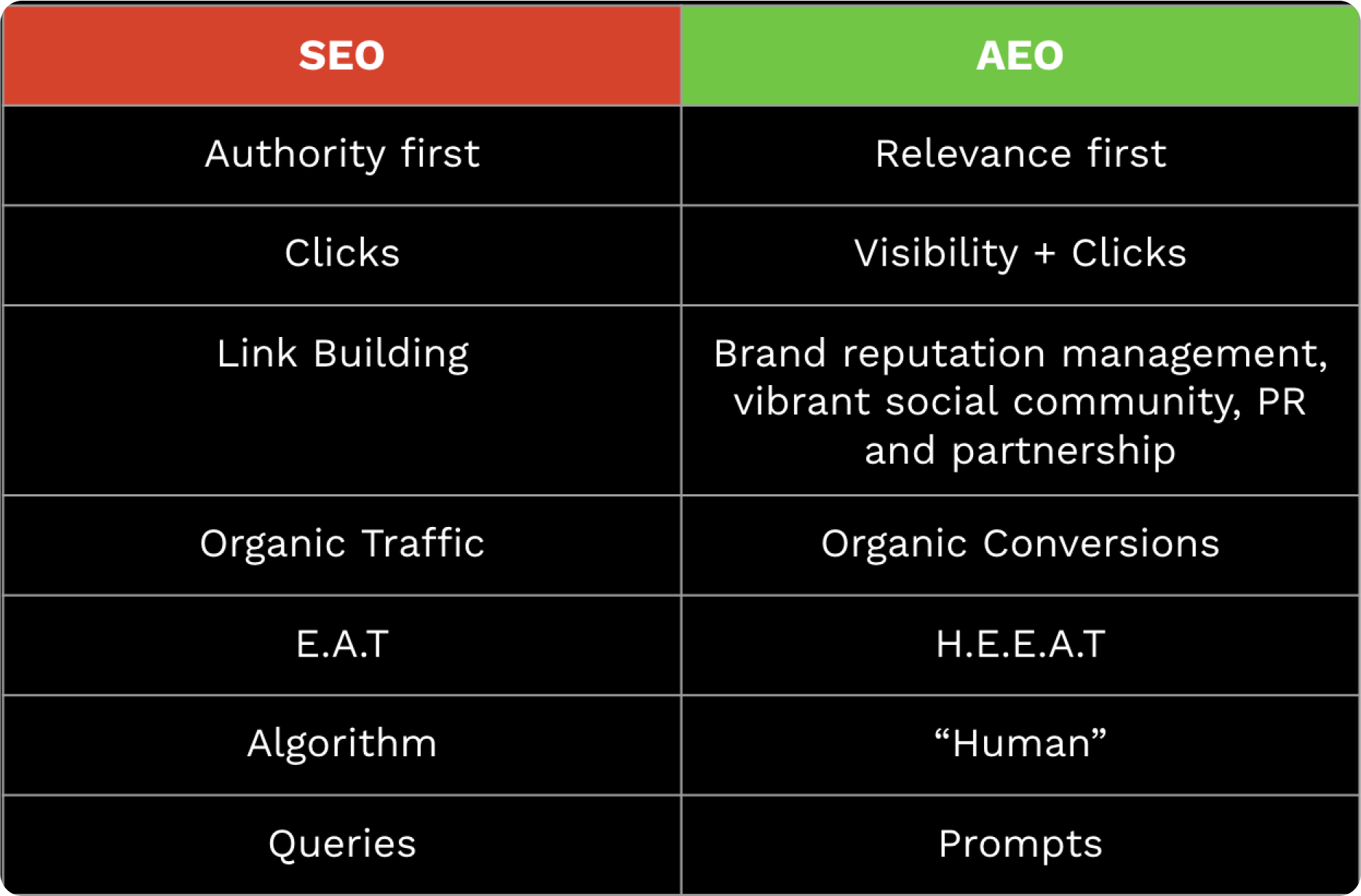
How to Increase Your SEO Ranking
Improving your search engine rankings can help more potential customers discover your website. There is no instant fix or guaranteed route to the top of Google, but a consistent focus on useful content, technical performance and a good visitor experience can strengthen your visibility over time.
Understand what your audience is searching for
Effective SEO starts with understanding the questions, needs and language of your audience. Use keyword research to find relevant search terms, then consider the intent behind them. Someone searching for “how to clean a wool rug” is looking for practical advice, while someone searching for “buy wool rug” is more likely to be ready to purchase.
Choose a main topic for each page and make sure the content fulfils the searcher’s needs. Avoid forcing keywords into your copy. Write naturally, using related terms where they genuinely help explain the subject.
Create helpful, original content
High-quality content gives people a clear reason to visit your site and helps search engines understand what each page offers. Aim to provide accurate, relevant information that is easy to read and more useful than a simple rewording of what is already available.
- Answer the reader’s main question early in the page.
- Use descriptive headings to organise the information.
- Include examples, instructions or evidence where appropriate.
- Check facts and keep important pages up to date.
- Remove or improve pages that are thin, outdated or no longer useful.
Optimise page titles and descriptions
Write a unique, descriptive title for every important page. A good title tells people what the page is about and includes the main topic naturally. Search engines may change how titles and descriptions appear in results, so treat them as guidance rather than guaranteed display text.
Meta descriptions do not directly determine rankings, but a clear, relevant description can encourage the right people to click. Summarise the page honestly and make its value clear.
Make your website easy to navigate
A clear site structure helps visitors find information and helps search engines discover and understand your pages. Group related content together, use straightforward navigation and link between relevant pages using descriptive anchor text.
Internal links can guide readers to useful next steps, such as a related guide, product or service page. Make sure important pages are reachable through links rather than relying on visitors to find them through search alone.
Improve technical SEO
Technical issues can make it harder for search engines to crawl, index or display your website. Review the basics regularly:
- Make sure important pages can be crawled and indexed.
- Use a secure HTTPS connection.
- Check for broken links and incorrect redirects.
- Submit an up-to-date XML sitemap through Google Search Console.
- Use canonical tags where similar or duplicate pages could cause confusion.
- Make sure your site works well on mobile devices.
Improve page speed and the user experience
Slow, difficult-to-use pages can frustrate visitors. Compress large images, remove unnecessary scripts and choose reliable hosting. Test key pages on mobile as well as desktop, paying attention to how quickly the main content loads and whether buttons and forms are easy to use.
Performance is only one part of SEO, so avoid making changes that reduce the usefulness or accessibility of your pages. Clear layouts, readable text and simple navigation benefit visitors as well as your wider optimisation efforts.
Earn relevant, trustworthy links
Links from other websites can help people discover your content and provide useful context about your site. Focus on earning relevant links by publishing genuinely valuable resources, sharing original research or building relationships within your industry.
Avoid buying links or joining schemes designed to manipulate rankings. These tactics can put your site at risk and rarely provide lasting value.
Strengthen local SEO, if relevant
If your business serves a specific area, keep your business name, address and telephone number accurate and consistent across your website and relevant listings. Create or update your Google Business Profile, select appropriate categories and respond professionally to customer reviews.
Local landing pages should contain useful information about the area and the service offered. Avoid creating many near-identical pages that differ only by location name.
Measure progress and keep improving
Use tools such as Google Search Console and web analytics to monitor impressions, clicks, search queries, landing-page performance and conversions. Rankings can vary, so assess trends over time rather than reacting to a single day’s results.
When a page is underperforming, investigate why. It may not match the search intent, may be difficult to use on mobile, or may need clearer information. Make focused changes and give search engines time to recrawl the page before judging the result.
SEO is a long-term process
To increase your SEO ranking, prioritise the needs of your audience, publish useful content and maintain a technically sound website. There are no shortcuts that can guarantee a particular position. Regular, evidence-led improvements are a more sustainable way to grow your search visibility and attract relevant visitors.
9 Benefits of Improving Your SEO Rankings
- Reach more potential customers through organic search.
- Attract visitors actively searching for your products or services.
- Build trust with stronger search visibility.
- Grow website traffic without relying solely on paid ads.
- Improve the experience with faster, clearer pages.
- Create useful content that answers customer questions.
- Strengthen your local presence in relevant searches.
- Earn quality backlinks through valuable resources.
- Measure progress and refine your strategy over time.
SEO Rankings: Slow Results, Fluctuations and No Guarantees
- SEO improvements can take months to show results.
- Search rankings can fluctuate due to algorithm updates and competition.
- There is no guarantee of reaching or keeping a top position.
Reach more potential customers through organic search.
A higher SEO ranking can help your business appear in front of more people searching for the products or services you offer. By reaching potential customers through organic search, you can attract relevant visitors who are already looking for solutions like yours, building awareness and creating more opportunities to turn interest into enquiries or sales.
Attract visitors actively searching for your products or services.
Improving your SEO ranking can help your business reach people who are already searching for the products or services you offer. By appearing in relevant search results, you can attract visitors with a genuine interest in what you provide, making your website more likely to generate valuable enquiries, bookings or sales.
Build trust with stronger search visibility.
Stronger search visibility can help build trust in your brand. When your website appears prominently for relevant searches, potential customers are more likely to see your business as established and credible. By consistently offering useful, accurate content and a positive experience, you can reinforce that confidence and encourage visitors to choose your business.
Grow website traffic without relying solely on paid ads.
A higher SEO ranking can help your website attract more visitors from organic search, reducing the need to rely solely on paid advertising. By appearing prominently when people search for relevant products, services or information, your business can earn a steady stream of qualified traffic over time. Unlike paid campaigns, organic visibility does not stop the moment a budget runs out, making SEO a valuable part of a more balanced, long-term approach to growing your online audience.
Improve the experience with faster, clearer pages.
Improving your SEO ranking often goes hand in hand with creating a better experience for visitors. Faster-loading pages help people find what they need without unnecessary delays, while clear headings, readable content and simple navigation make your website easier to use. These improvements can encourage visitors to stay, explore and take action, whether that means making an enquiry or completing a purchase.
Create useful content that answers customer questions.
Creating useful content that answers your customers’ questions can improve your SEO by making your website more relevant to the searches they make. Clear, accurate advice helps visitors find what they need, builds trust in your business and gives search engines a better understanding of your expertise. Over time, this can attract more qualified organic traffic and encourage potential customers to explore your products or services.
Strengthen your local presence in relevant searches.
Improving your SEO ranking can help strengthen your local presence by making your business more visible to people searching for relevant products or services nearby. By using accurate business details, locally relevant content and a well-maintained Google Business Profile, you can help potential customers find and contact you when they’re ready to take action.
Earn quality backlinks through valuable resources.
Creating valuable resources, such as original research, practical guides or useful tools, gives other websites a reason to link to your content. These quality backlinks can help search engines recognise your site’s relevance and authority, while also bringing interested visitors directly to your pages. Focus on producing genuinely useful material and building relationships in your industry, rather than pursuing links purely for their SEO value.
Measure progress and refine your strategy over time.
Measuring your SEO progress helps you understand which pages and tactics are bringing relevant visitors to your website. Track metrics such as search impressions, clicks, rankings and conversions, then use the results to identify what is working and where improvements are needed. By reviewing performance regularly and refining your strategy over time, you can respond to changing search behaviour, make better-informed decisions and build stronger, more sustainable search visibility.
SEO improvements can take months to show results.
One drawback of trying to increase your SEO ranking is that improvements can take months to show results. Search engines need time to discover, assess and re-rank updated pages, and progress can also depend on competition, your website’s history and the changes you make. This means SEO requires patience and consistent effort, with no guarantee of an immediate increase in traffic or enquiries.
Search rankings can fluctuate due to algorithm updates and competition.
One drawback of efforts to increase SEO rankings is that results can be unpredictable. Search positions may fluctuate when search engines update their algorithms or competitors improve their websites and content. This means a page can lose visibility even when no changes have been made, so businesses need to monitor performance and adapt their SEO strategy over time.
There is no guarantee of reaching or keeping a top position.
One of the drawbacks of focusing on improving SEO rankings is that there is no guarantee your website will reach or keep a top position in search results. Rankings can change as search engines update their systems, competitors improve their websites and people’s search behaviour shifts. Even a well-planned SEO strategy may take time to produce results, so it is important to set realistic expectations and focus on long-term visibility, relevant traffic and useful content rather than relying on a particular ranking.