
Best Search Engine Optimisation: A Practical Guide to Sustainable SEO
There is no single trick that makes a website rank at the top of search results. The best search engine optimisation (SEO) combines useful content, a technically sound website and a clear understanding of what people are looking for. Done well, SEO can help the right audience discover your business and make it easier for them to take the next step.
Search engines change their systems over time, and results can never be guaranteed. A strong SEO strategy focuses on providing a helpful experience for people while making a website straightforward for search engines to understand.
What does good SEO involve?
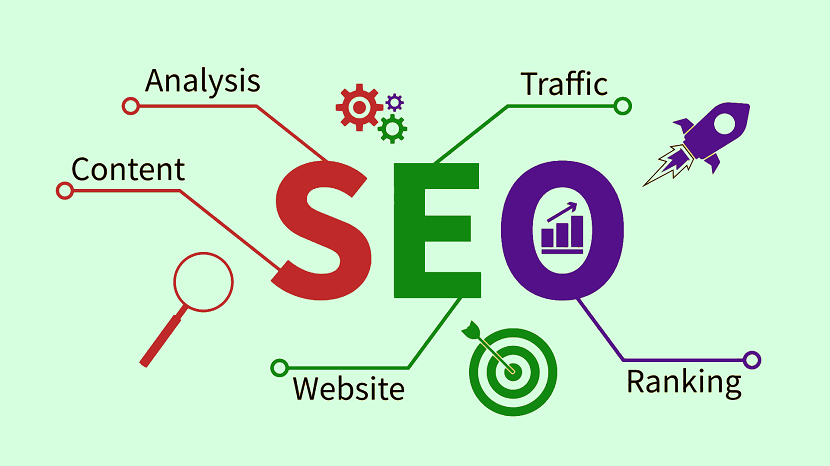
SEO is the process of improving a website’s visibility in unpaid search results. It usually includes several connected areas:
- Technical SEO: helping search engines access, crawl and understand your website.
- On-page SEO: making each page relevant to its subject and easy to navigate.
- Content: creating accurate, useful pages that answer real questions.
- Off-page SEO: building your site’s reputation through genuine mentions and links from relevant sources.
- Local SEO: helping people find businesses that serve a particular area.
Start with search intent
Before writing or optimising a page, consider what someone hopes to find when they search. They may want to learn about a topic, compare options, find a particular business or make a purchase. This is known as search intent.
Look at the types of pages that appear for relevant searches, then make sure your page meets the same need in a clear and useful way. A product page is unlikely to satisfy someone seeking a step-by-step guide, while a general article may not help someone ready to buy.
Choose keywords thoughtfully
Keyword research can reveal the words and questions your potential customers use. Look beyond search volume: highly specific searches may attract fewer people but be more relevant to your services.
- Group related searches by topic and intent.
- Use natural language rather than repeating the same phrase unnaturally.
- Give each important page a clear focus.
- Consider location-based terms if you serve customers in a particular area.
Keywords should guide the content, not dictate awkward wording. The page should read naturally and provide value even when the target phrase is not repeated.
Create genuinely useful content
Strong content answers the reader’s question clearly, accurately and with enough detail to be useful. Demonstrate first-hand knowledge where possible, explain unfamiliar terms and keep information up to date.
Give each page a descriptive title and a clear heading structure. Use headings to organise the subject logically, not simply to insert more keywords. Descriptive page titles and search snippets can also help people understand what a page offers before they visit.
Make the website technically sound
A well-organised website is easier for visitors and search engines to use. Check that important pages can be reached through internal links and that your site works well on mobile devices.
Technical SEO checks often include:
- Ensuring pages load reliably and securely using HTTPS.
- Fixing broken links and avoiding unnecessary redirects.
- Using a logical site structure and descriptive URLs.
- Providing an XML sitemap and checking that important pages are not blocked from crawling.
- Improving page speed and the overall mobile experience.
- Using canonical tags where duplicate or very similar pages may cause confusion.
Technical changes should be tested carefully. A small implementation mistake, such as accidentally blocking a page from search engines, can undermine otherwise strong work.
Build authority responsibly
Links from other websites can help search engines understand how pages are connected and may bring relevant visitors to your site. The most sustainable approach is to earn links through useful resources, original research, strong products or services and legitimate industry relationships.
Avoid buying links or taking part in schemes designed to manipulate rankings. These tactics can put a website at risk and rarely build lasting trust. Focus instead on earning attention from relevant, reputable sources.
Improve local visibility
For businesses serving a local area, local SEO can be especially valuable. Keep your business name, address and telephone number accurate and consistent across key listings. Claim and maintain your business profile on relevant search platforms, add up-to-date opening hours and respond professionally to customer reviews.
Useful location pages should offer real information about the areas you serve. Simply creating many near-identical pages with different place names is unlikely to provide a good experience.
Measure what matters
SEO takes time, and rankings are only one part of the picture. Use analytics and search performance tools to monitor progress, including:
- Organic visits to important pages.
- Search impressions, clicks and click-through rates.
- Relevant enquiries, bookings or sales.
- Technical issues affecting key pages.
- How well visitors engage with the site and complete useful actions.
Review the data regularly and use it to decide what to improve next. A rise in traffic is not necessarily a success if it does not reach the right audience or support business goals.
How to choose an SEO agency
If you are considering professional support, look for an agency that explains its recommendations clearly and connects its work to your business objectives. Ask how progress will be measured, what work will be carried out and how often you will receive updates.
Be cautious of promises to guarantee a particular ranking or deliver immediate results. No agency can control search engines. A credible partner will set realistic expectations, follow search engine guidelines and explain both the opportunities and limitations of a proposed strategy.
Conclusion
The best search engine optimisation is not a shortcut or a one-off fix. It is an ongoing process of understanding your audience, publishing useful content, maintaining a healthy website and measuring meaningful results. By focusing on people as well as search engines, businesses can build a stronger and more sustainable presence in organic search.
Top 6 FAQs About Effective Search Engine Optimisation for Small Businesses in the UK
- What is the best search engine optimisation strategy for a small business?
- How long does SEO take to improve search rankings?
- How much does professional SEO cost in the UK?
- Can an SEO agency guarantee first-page rankings on Google?
- What should I look for when choosing an SEO agency?
- How can I measure whether my SEO is working?
What is the best search engine optimisation strategy for a small business?
The best search engine optimisation strategy for a small business is to focus on the customers and locations it can realistically serve. Research the terms people use when looking for your products or services, then create clear, helpful pages that address their needs. Keep your website fast, mobile-friendly and easy to navigate, and, if you serve a local area, maintain an accurate Google Business Profile and encourage genuine customer reviews. Track relevant enquiries, calls and sales—not just rankings—and use the results to improve your approach over time.
How long does SEO take to improve search rankings?
SEO usually takes several months to show noticeable improvements in search rankings, although the timeframe varies depending on your website’s condition, competition, industry and the work involved. Technical fixes may have an effect sooner, while building authority and ranking for competitive terms often takes longer. Consistent, high-quality optimisation is essential, and no agency can guarantee a specific ranking or deadline.
How much does professional SEO cost in the UK?
The cost of professional SEO in the UK varies depending on your goals, competition, website size and the work required. Small businesses may pay around £500–£1,500 per month, while more competitive campaigns can cost £1,500–£5,000 or more; one-off audits and projects are usually priced separately. Ask for a clear scope of work, realistic timescales and transparent reporting, and be wary of guaranteed rankings or unusually cheap promises.
Can an SEO agency guarantee first-page rankings on Google?
No reputable SEO agency can guarantee first-page rankings on Google, as search results are controlled by Google’s algorithms and influenced by factors that can change over time. A trustworthy agency can improve your website’s visibility through research, technical improvements and useful content, while setting realistic goals and reporting on progress. Be cautious of promises of guaranteed rankings, particularly if they involve quick results or questionable tactics.
What should I look for when choosing an SEO agency?
When choosing an SEO agency, look for a clear, tailored strategy that supports your business goals, transparent pricing and regular reporting on meaningful results such as relevant traffic, enquiries and sales. Ask about the team’s experience, the work they will carry out and how they keep up with search engine guidance. A trustworthy agency will set realistic expectations, explain its recommendations and avoid guaranteed rankings or tactics that could put your website at risk.
How can I measure whether my SEO is working?
Measure SEO performance by tracking organic traffic, search impressions, clicks, click-through rates and keyword positions over time using tools such as Google Search Console and Google Analytics. More importantly, check whether that traffic leads to valuable outcomes, such as enquiries, bookings or sales. Compare results with a previous period, allow time for changes to take effect, and consider seasonal trends before drawing conclusions.