
Search Engine Position Ranking: What It Is and How to Improve It
Search engine position ranking describes where a web page appears in the organic results for a particular search query. If a page is listed first, it has a higher position than a page listed tenth. Rankings can influence how easily people find a website, but they are only one part of a successful search engine optimisation (SEO) strategy.
Understanding how rankings work—and how to measure them—can help you make informed improvements to your website and attract more relevant visitors.
What does search engine position mean?
A search engine position is the place a webpage occupies in the unpaid results for a search. A page can rank in different positions for different queries. For example, a business might appear prominently for a specific service in one town, but much further down the results for a broader phrase.
There is no single ranking for an entire website. Position can vary according to the search query, the page being assessed, the search engine, the searcher’s location and the device being used. Search results can also change over time as search engines update their systems and competitors improve their pages.
Why rankings matter
Higher visibility in relevant search results can help potential customers discover your business. Strong rankings may contribute to more organic traffic, enquiries or sales, particularly when a page matches what searchers are looking for.
However, a high position does not automatically lead to business results. The search query may be irrelevant, the search result may not persuade people to click, or the page may not make it easy for visitors to take the next step. Rankings are most useful when considered alongside measures such as organic visits, engagement, leads and revenue.
What influences search engine rankings?
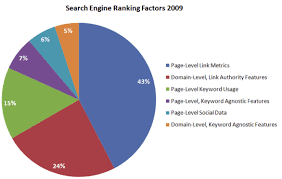
Search engines use many signals to decide which pages are most useful for a particular query. No single tactic can guarantee a specific position, but several areas are worth considering:
- Relevance: The page should address the subject and intent behind the search query.
- Useful content: Clear, accurate and original information can help visitors find answers or complete a task.
- Page experience: Pages should be easy to navigate, work well on mobile devices and load reliably.
- Technical accessibility: Search engines need to be able to discover, crawl and understand important pages.
- Reputation and links: Links from other relevant, trustworthy websites can provide useful signals about a page and its wider website.
- Local relevance: For location-based searches, accurate business details and information about the areas served may help searchers find a suitable provider.
These factors work together. A technically sound website, for example, still needs content that meets people’s needs. Equally, useful content may struggle to perform if search engines cannot access the page.
How to check your search positions
Use a consistent method to monitor rankings over time. Search Console can show which queries bring people to your website, along with information such as impressions, clicks and average position. SEO platforms can provide additional keyword-tracking features, but their figures may differ because they use their own data sources and checking methods.
When reviewing positions, keep the following points in mind:
- Track relevant queries that reflect your services, products and audience.
- Compare performance over a meaningful period rather than reacting to a single day’s movement.
- Review the page receiving impressions, not just the overall website.
- Consider location and device, especially if your audience is local or mobile-led.
- Look at clicks and conversions as well as position.
Search results can be personalised and may differ by location, device and context. A manual search from one computer is therefore not a reliable way to assess overall performance.
Practical ways to improve rankings
Understand what searchers want
Before creating or updating a page, consider the purpose behind the query. Someone searching for information may need a guide, while someone searching for a service may be looking for options, prices or a way to make contact. The page should meet that need directly.
Create helpful, well-structured content
Answer the main question clearly and provide enough detail to be genuinely useful. Use descriptive headings, concise paragraphs and examples where appropriate. Avoid adding material simply to make a page longer, and ensure that important claims are accurate and up to date.
Improve titles and descriptions
Write a distinctive page title that accurately describes the content. A clear meta description can also help explain what a searcher will find on the page, although search engines may choose to display different text in results. Avoid repetitive keyword use and misleading wording.
Make your website easy to use
Use straightforward navigation, readable text and clear calls to action. Check that pages work across common screen sizes and that forms, links and other interactive features function correctly. A positive experience helps visitors make use of the content once they arrive.
Address technical issues
Check for broken links, duplicate or unavailable pages, incorrect indexing settings and slow or unstable page experiences. An XML sitemap and sensible internal links can help search engines discover important pages, though they do not guarantee inclusion or rankings.
Strengthen internal links
Link related pages together using descriptive anchor text. Internal links help visitors navigate your site and can help search engines understand how your pages relate to one another. Prioritise useful connections rather than adding links for their own sake.
Build credibility naturally
Earn attention by publishing useful resources, providing a reliable service and developing genuine relationships within your industry. Avoid buying links or using schemes designed to manipulate rankings, as these can put a website at risk.
Common ranking mistakes to avoid
- Chasing a position without considering intent: Ranking for a query that does not reach the right audience may bring little value.
- Overusing keywords: Repeating phrases unnaturally can make content difficult to read and does not ensure better rankings.
- Making frequent changes based on short-term fluctuations: Rankings move naturally, so assess trends before deciding what to change.
- Creating multiple pages for the same purpose: Similar pages can confuse visitors and make it harder to maintain a clear, useful site.
- Expecting instant results: SEO improvements may take time to be discovered and reflected in search results.
- Relying on rankings alone: Organic traffic, enquiries and sales provide important context for evaluating performance.
How long does it take to improve a ranking?
There is no fixed timescale. Results depend on factors such as the website’s current condition, the competitiveness of the search queries, the quality of the improvements and how quickly search engines recrawl the pages. Some changes may be reflected relatively quickly, while broader improvements can take longer.
Be cautious of anyone promising a guaranteed position or a precise ranking date. Search engines control their results, and no agency or website owner can guarantee a particular organic position.
Measure progress beyond position
A useful SEO review connects rankings with outcomes. Alongside position, monitor impressions, click-through rate, organic visits and the actions that matter to your organisation. If a page gains visibility but attracts the wrong visitors, its content or targeting may need attention. If it receives visits but few enquiries, consider whether the page clearly explains the offer and next steps.
Conclusion
Search engine position ranking is a helpful way to understand a webpage’s visibility for particular searches, but it is not a measure of success on its own. Focus on understanding search intent, publishing useful content, maintaining a technically accessible website and measuring the results that matter to your business. Consistent, user-focused improvements provide a more sustainable approach than chasing short-term ranking gains.
9 Practical Tips to Improve Your Search Engine Rankings
- Create useful, original content for your audience.
- Use clear titles that describe each page.
- Include relevant search terms naturally.
- Make your site fast and mobile-friendly.
- Use descriptive links between related pages.
- Write concise, helpful meta descriptions.
- Earn links from reputable, relevant websites.
- Keep business details accurate and consistent.
- Track rankings and update content regularly.
Create useful, original content for your audience.
Create useful, original content that meets your audience’s needs and answers their questions clearly. Start by understanding what people are searching for, then offer accurate information, practical advice or insights they cannot easily find elsewhere. Organise the content with clear headings and natural language, and keep it up to date. Avoid copying other websites or repeating keywords unnaturally: content written to genuinely help readers is more likely to earn attention, build trust and support stronger search engine visibility over time.
Use clear titles that describe each page.
Use clear, descriptive titles that tell people what each page is about. A well-written title helps visitors decide whether your page is relevant to their search and gives search engines useful context about its content. Keep it concise, specific and unique to the page, placing the main topic naturally without cramming in keywords.
Include relevant search terms naturally.
Use relevant search terms naturally throughout your page to help search engines understand its subject and connect it with suitable searches. Include your main phrase, such as “search engine position ranking”, where it fits in the title, headings and body copy, alongside related terms people may use. Prioritise clear, helpful writing for readers rather than repeating keywords unnaturally, as keyword stuffing can make content harder to read and does not guarantee better rankings.
Make your site fast and mobile-friendly.
Make your website fast and mobile-friendly to give visitors a smooth experience and help search engines understand that your pages are easy to use. Check that pages load promptly, text is readable without zooming, and menus, buttons and forms work well on smaller screens. Regularly test your site on mobile devices and address issues such as oversized images or awkward layouts. These improvements can support better search visibility while making it easier for visitors to find information and take action.
Use descriptive links between related pages.
Use descriptive links to connect related pages across your website. Clear link text helps visitors understand what they’ll find when they click, while giving search engines useful context about how your content fits together. For example, link from a guide to a relevant service page using wording that describes the destination, rather than a vague phrase such as “click here”. Keep links relevant and natural, so they improve navigation without distracting from the content.
Write concise, helpful meta descriptions.
Write concise, helpful meta descriptions that accurately summarise each page and give searchers a clear reason to visit. Include the page’s main topic naturally, highlight the benefit of reading it, and use language that reflects the content rather than making promises the page cannot keep. Search engines may show different text in results, so treat meta descriptions as a way to improve clarity and encourage relevant clicks—not as a guaranteed way to improve rankings.
Earn links from reputable, relevant websites.
Earn links from reputable, relevant websites by creating genuinely useful content that others will want to reference, such as original research, practical guides or expert insights. Links from trusted sites in your industry can help search engines understand your website’s credibility and may bring relevant visitors, too. Focus on building real relationships and earning links naturally rather than buying them or using schemes designed to manipulate rankings.
Keep business details accurate and consistent.
Keep your business details accurate and consistent across your website, business listings and relevant directories. Use the same business name, address, phone number and opening hours wherever they appear, and update them promptly when anything changes. Consistent information helps customers contact or visit you with confidence and can support your visibility in local search results.
Track rankings and update content regularly.
Track your search engine rankings regularly to see which pages are gaining visibility and which may need attention. Use the data to identify changes in search performance, then refresh content where needed: update outdated information, fill gaps, improve clarity and ensure the page still matches what people are searching for. Regular, thoughtful updates can help keep your content useful and relevant, while ranking trends provide insight into whether your SEO efforts are working.