
SEO and PPC Management: Building a More Effective Search Strategy
When people are looking for a product or service, search engines are often where their journey begins. Search engine optimisation (SEO) and pay-per-click advertising (PPC) can help a business appear in those search results and reach potential customers. Used together, they offer complementary ways to build visibility, attract relevant visitors and support business growth.
Effective SEO and PPC management is about more than choosing keywords or launching adverts. It involves setting clear goals, understanding your audience, improving landing pages and regularly reviewing performance. This article explains how each channel works and how to manage them as part of a joined-up search strategy.
What is SEO?
SEO is the practice of improving a website so that it is more likely to appear prominently in unpaid search results. It can include:
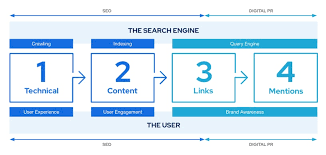
- Technical SEO: Helping search engines access, crawl and understand a website, while improving factors such as site speed and mobile usability.
- On-page SEO: Making pages useful and relevant through clear headings, well-structured content, descriptive page titles and appropriate internal links.
- Content strategy: Creating helpful pages that answer the questions people are asking at different stages of their decision-making.
- Off-page SEO: Building a website’s reputation through relevant references and links from other reputable websites.
SEO is a long-term activity. Results can take time, and rankings are affected by competition, changes to search engines and the quality of a website. However, sustained work can help a business build visibility and attract visitors without paying for every click.
What is PPC?
PPC is a form of online advertising in which an advertiser generally pays when someone clicks on an advert. Search advertising is a common example: adverts may appear above or alongside organic results when someone searches for a relevant term.
PPC campaigns can be tailored by keyword, location, audience, device and other settings. They can also direct visitors to specific landing pages, making PPC a useful way to promote particular products, services or offers. Unlike SEO, paid campaigns can start generating visibility soon after launch, but traffic typically stops when the advertising budget is paused.
SEO and PPC: Different channels, shared goals
SEO and PPC have different costs, timeframes and ways of working, but both aim to connect a business with relevant searchers. Their strengths can complement one another:
- SEO can support long-term visibility by improving a website’s content, structure and authority.
- PPC can provide faster exposure and help promote specific offers or target particular search terms.
- PPC data can inform SEO priorities by highlighting search terms and messages that attract clicks or conversions.
- SEO insights can improve PPC by identifying useful topics, audience needs and landing page opportunities.
- Using both can increase search presence across paid and organic results, although the right balance depends on the business and its objectives.
What does effective SEO and PPC management involve?
Setting clear objectives
Start by deciding what the search activity needs to achieve. Objectives might include increasing qualified enquiries, generating online sales, promoting a new service or growing awareness in a particular area. Goals should be specific enough to measure and relevant to the wider business.
Understanding the audience and search intent
Keyword research helps identify the language people use when searching. Just as importantly, it helps reveal what they want. Someone searching for general advice may not be ready to buy, while a search for a named service in a specific location could signal stronger intent.
Grouping keywords by topic and intent makes it easier to plan content, choose PPC targets and create landing pages that match what searchers expect to find.
Building useful, relevant landing pages
A click is only the beginning. Visitors need a page that clearly addresses their needs and makes the next step easy. Pages should explain the offer, provide relevant detail, work well on mobile devices and include a clear call to action, such as making an enquiry or completing a purchase.
For PPC, the landing page should closely match the advert and search term. For SEO, it should offer a genuinely useful answer or resource rather than simply repeating keywords.
Managing PPC campaigns carefully
PPC management includes structuring campaigns and ad groups, selecting keywords, writing adverts, setting bids and budgets, and using appropriate targeting. Negative keywords can help reduce irrelevant clicks, while regular search-term reviews can reveal new opportunities and unwanted traffic.
Campaigns should be monitored against meaningful outcomes, not just clicks or impressions. Depending on the business, useful measures may include qualified leads, completed purchases, cost per acquisition and return on advertising spend.
Improving SEO on an ongoing basis
SEO management involves reviewing technical health, monitoring organic performance and improving content over time. This may mean fixing crawl issues, improving page structure, updating outdated information or creating new pages to address gaps in the site’s coverage.
Progress should be assessed using several indicators, such as relevant organic traffic, visibility for target topics, engagement and conversions. Rankings can provide context, but they do not tell the whole story on their own.
Measuring and learning
Reliable measurement helps teams understand what is working and where to focus next. Tracking should be set up consistently, with key actions such as purchases, calls or form submissions recorded where appropriate. Reports should connect activity to business outcomes and explain any important limitations in the data.
Testing is also valuable. PPC adverts, landing page layouts and calls to action can be tested to see which versions perform better. SEO changes can be reviewed over time, taking into account seasonality and other factors that may affect search demand.
Common challenges to avoid
- Expecting immediate SEO results: Organic visibility usually takes sustained effort and may take time to develop.
- Sending all paid traffic to the homepage: A more specific landing page is often a better match for a targeted advert.
- Focusing only on traffic: More visitors do not necessarily mean more valuable enquiries or sales.
- Ignoring mobile experience: Slow, difficult-to-use pages can undermine both paid and organic performance.
- Making decisions from too little data: Small samples can be misleading, so allow appropriate time and volume before drawing conclusions.
- Treating SEO and PPC as unrelated: Sharing insights can help both channels become more effective.
How to choose the right balance
The right mix of SEO and PPC depends on factors such as budget, competition, business goals and the time available. A new business may use PPC to gain targeted visibility while building its organic presence. An established website may focus on improving SEO while using paid search to support priority services, seasonal demand or competitive search terms.
Rather than dividing resources evenly by default, assess each channel by its role and contribution. Review results regularly, identify where demand is strongest and adapt the plan as the business and search landscape change.
Conclusion
SEO and PPC management are most effective when they are guided by clear objectives, useful audience insights and consistent measurement. SEO can help build lasting organic visibility, while PPC offers a more direct way to reach people through paid search placements. Together, they can provide a broader and more informed approach to search marketing.
A well-managed strategy does not rely on activity for its own sake. It focuses on reaching the right people, offering relevant pages and learning from performance to make better decisions over time.
23 Frequently Asked Questions About SEO and PPC Management: Understanding the Differences, Benefits, and Integration
- What is SEO vs PPC in digital marketing?
- What is the difference between SEO and PPC?
- Can SEO and PPC work together?
- What does a PPC manager do?
- What is difference between PPC and SEO?
- How do you use SEO and PPC together?
- Is PPC or SEO better?
- How SEO and PPC can work together?
- How does SEO impact PPC?
- What is PPC in management?
- What are the 4 types of SEO?
- Why use both SEO and PPC?
- Is PPC considered SEO?
- How does PPC integrate with SEO?
- What is a PPC management?
- Does PPC come under SEO?
- What is the difference between SEO & PPC?
- What is PPC management?
- Which is better SEO or PPC?
- How does PPC support SEO?
- What is better SEO or PPC?
- What is difference between SEO and PPC?
- What is SEO in management?
What is SEO vs PPC in digital marketing?
SEO (search engine optimisation) improves a website’s visibility in unpaid search results through activities such as creating useful content and improving site performance. PPC (pay-per-click) is paid advertising, where businesses typically pay when someone clicks on an advert shown in search results. SEO can build organic visibility over time, while PPC can deliver targeted exposure more quickly for as long as the campaign is funded. Both can work together: SEO supports long-term growth, while PPC helps reach specific audiences and test messages or keywords.
What is the difference between SEO and PPC?
SEO (search engine optimisation) improves a website’s visibility in unpaid search results over time, through activities such as creating helpful content and improving the site’s technical performance. PPC (pay-per-click) places paid adverts in search results, with the advertiser typically paying when someone clicks. PPC can generate visibility quickly, but traffic usually stops when the campaign ends; SEO often takes longer to build results, which may continue to attract visitors with ongoing optimisation.
Can SEO and PPC work together?
Yes, SEO and PPC can work together as part of a joined-up search strategy. PPC can deliver immediate visibility and provide useful data on which keywords, adverts and landing pages attract clicks or conversions, while SEO builds organic visibility over time. Sharing insights between the two channels can help refine targeting, improve website content and reach potential customers across both paid and unpaid search results.
What does a PPC manager do?
A PPC manager plans, runs and optimises paid advertising campaigns across platforms such as Google Ads. They research keywords and audiences, set budgets and bids, write and test adverts, and make sure campaigns lead to relevant landing pages. They also monitor results such as clicks, conversions and cost per enquiry, then use the data to improve performance and make the most of the advertising budget.
What is difference between PPC and SEO?
PPC (pay-per-click) is paid advertising: your advert can appear in search results quickly, and you usually pay when someone clicks on it. SEO (search engine optimisation) focuses on improving your website so it can earn visibility in unpaid search results over time. PPC offers more immediate control over targeting and budget, while SEO is a longer-term investment in your website’s content, technical quality and authority. Used together, they can support both short-term reach and lasting organic visibility.
How do you use SEO and PPC together?
SEO and PPC work best together when insights from each channel inform the other. PPC can provide quick data on which keywords, adverts and landing pages attract clicks and conversions, helping guide SEO content priorities. SEO research can, in turn, reveal valuable topics and search terms to test in paid campaigns. While SEO builds organic visibility over time, PPC can provide targeted exposure in the short term; reviewing both channels together helps focus investment on the searches and pages most likely to deliver meaningful results.
Is PPC or SEO better?
Neither PPC nor SEO is universally better; the right choice depends on your goals, budget and timeframe. PPC can generate targeted visibility quickly, making it useful for time-sensitive campaigns or immediate lead generation, but traffic usually stops when spending ends. SEO takes longer to build, but can deliver sustained organic visibility over time. Many businesses benefit from using both: PPC for short-term reach and testing, and SEO for long-term growth.
How SEO and PPC can work together?
SEO and PPC work best when they share insights and support the same goals. PPC campaigns can quickly reveal which keywords, adverts and landing pages attract valuable visitors, helping guide SEO content and optimisation priorities. In turn, strong SEO insights can uncover topics and search intent to target in paid campaigns. Using both channels can increase your visibility in search results, reach potential customers at different stages of their journey and provide a more balanced approach—combining PPC’s immediate exposure with SEO’s longer-term organic growth.
How does SEO impact PPC?
SEO can improve PPC performance by helping you understand which search terms attract relevant visitors and what information they expect to find. That insight can guide keyword selection, advert messaging and landing page content, creating a closer match between the search, the advert and the page. A well-structured, useful landing page can also make it easier for visitors to take action, while insights from SEO research may reveal new PPC opportunities. SEO does not directly determine whether a paid advert appears, however; PPC visibility and costs are influenced by factors such as bids, targeting, competition and the advert’s relevance and quality.
What is PPC in management?
In SEO and digital marketing, PPC management is the planning, running and optimisation of pay-per-click advertising campaigns. It includes choosing keywords and audiences, setting budgets and bids, writing adverts, improving landing pages and tracking results such as enquiries or sales. The aim is to make advertising spend work effectively by attracting relevant visitors and improving campaign performance over time.
What are the 4 types of SEO?
The four commonly recognised types of SEO are on-page, off-page, technical and local SEO. On-page SEO improves the content and elements on your website, while off-page SEO builds its reputation through signals such as relevant backlinks. Technical SEO helps search engines crawl and understand your site, and local SEO improves visibility for searches with a geographic focus, such as “plumber near me”. These categories can overlap, and some strategies classify SEO slightly differently.
Why use both SEO and PPC?
Using both SEO and PPC helps your business reach potential customers through organic and paid search results. SEO builds long-term visibility, while PPC can deliver targeted exposure more quickly and support specific campaigns or offers. The channels can also inform one another: PPC data can reveal which keywords and messages attract customers, while SEO insights can guide content and campaign planning. Together, they can broaden your search presence and help you connect with people at different stages of their decision-making.
Is PPC considered SEO?
No, PPC is not considered SEO. SEO focuses on improving a website’s visibility in unpaid search results, while PPC involves paying for adverts that appear in search results or other online placements. They are separate marketing channels, but they can work together: PPC can deliver immediate visibility and useful keyword data, while SEO aims to build organic visibility over time.
How does PPC integrate with SEO?
PPC and SEO work best when their insights are shared. PPC can quickly reveal which keywords, messages and landing pages attract clicks and conversions, helping guide SEO priorities and content planning. In turn, SEO research can uncover valuable search topics and audience needs to inform PPC campaigns. Together, paid and organic search can strengthen your visibility across search results, while performance data helps you decide where to focus your budget and effort.
What is a PPC management?
PPC management is the planning, running and optimisation of pay-per-click advertising campaigns. It includes choosing relevant keywords, setting budgets and bids, writing adverts, selecting audiences and monitoring results. The aim is to attract the right visitors, make effective use of the advertising budget and achieve goals such as generating enquiries or sales.
Does PPC come under SEO?
No, PPC does not come under SEO. SEO focuses on improving a website’s visibility in unpaid search results, while PPC involves paying for adverts that appear on search engines and other platforms. They are separate channels, but managing them together can be beneficial: PPC can deliver visibility quickly and provide useful keyword data, while SEO can build organic presence over the longer term.
What is the difference between SEO & PPC?
SEO (search engine optimisation) aims to improve your website’s visibility in unpaid search results through activities such as creating helpful content and improving technical performance. PPC (pay-per-click) uses paid adverts to appear in search results, with costs typically incurred when someone clicks. SEO can build organic visibility over time, while PPC can provide more immediate exposure for as long as your campaigns are running. The two approaches can work together to reach potential customers at different stages of their search journey.
What is PPC management?
PPC management is the planning, setup and ongoing optimisation of pay-per-click advertising campaigns. It includes researching keywords, writing adverts, setting budgets and bids, choosing audience and location targeting, and monitoring results. The aim is to reach relevant potential customers while making the best use of the advertising budget, using performance data to improve clicks, enquiries or sales over time.
Which is better SEO or PPC?
Neither SEO nor PPC is universally better; the right choice depends on your goals, budget and timescale. SEO can build long-term organic visibility and attract traffic without paying for each click, but it usually takes time to deliver results. PPC can generate targeted visibility more quickly and gives you control over budget and targeting, but traffic generally stops when your ads stop. For many businesses, combining both works best: PPC can support immediate priorities while SEO builds sustainable visibility over time.
How does PPC support SEO?
PPC can support SEO by providing quick insights into the search terms, messages and landing pages that attract relevant visitors and generate enquiries or sales. These findings can help prioritise SEO content and page improvements. Paid adverts can also maintain visibility while organic rankings develop, and appearing in both paid and organic results may strengthen a brand’s presence on the search results page. However, PPC does not directly improve organic rankings; its value lies in complementing SEO and sharing useful performance data.
What is better SEO or PPC?
Neither SEO nor PPC is universally better; the right choice depends on your goals, budget and timeframe. SEO can build sustainable organic visibility over time, but results often take longer. PPC can bring targeted traffic more quickly, but you pay for clicks and visibility usually ends when the budget stops. For many businesses, combining the two works best: PPC can support immediate priorities and provide useful search data, while SEO develops long-term reach.
What is difference between SEO and PPC?
SEO (search engine optimisation) aims to improve a website’s visibility in unpaid search results through activities such as creating useful content and improving the site’s technical performance. PPC (pay-per-click) is paid advertising, where a business typically pays when someone clicks on its advert. SEO can build lasting organic visibility but usually takes time, while PPC can generate exposure more quickly but requires an ongoing budget to maintain traffic.
What is SEO in management?
SEO in management refers to the planning and coordination of activities that improve a website’s visibility in unpaid search engine results. This can include keyword research, technical website improvements, content planning, link building and performance monitoring. Effective SEO management sets clear goals, assigns responsibilities and reviews results over time, helping a business attract relevant visitors and support its wider marketing objectives.
- digital agency
- digital marketing
- digital marketing agency
- digital seo
- digital strategy
- internet marketing
- internet marketing agency
- management
- marketing
- marketing agency
- marketing management
- marketing manager
- pay per click
- ppc
- ppc management
- ppc services
- seo
- seo agency
- seo services
- service marketing