
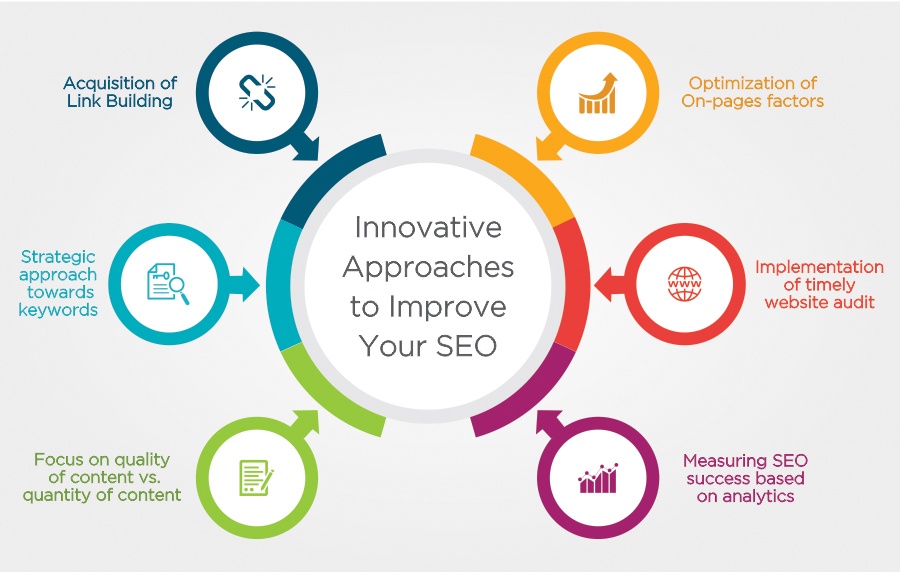
How to Increase Your SEO: A Practical Guide
Search engine optimisation (SEO) helps people find your website when they search online. Improving your SEO can bring more relevant visitors to your site, build trust in your brand and support long-term business growth. It takes time and consistent effort, but a clear strategy can make a real difference.
Whether you manage a small business website or a growing online shop, these practical steps can help strengthen your visibility in search results.
Understand what your audience is searching for
Effective SEO starts with understanding your potential customers. Consider the questions they ask, the problems they need to solve and the words they use when looking for products or services like yours.
Use keyword research tools and search engine suggestions to find relevant search terms. Look beyond broad phrases: specific searches, such as “emergency plumber in Bristol” or “vegan birthday cake delivery”, can reveal clear customer needs and local intent.
Choose keywords that match the purpose of each page. A product page, service page and informative article may all need different terms. Avoid targeting too many unrelated keywords on one page.
Create useful, original content
Content should help readers, not simply repeat keywords. Create pages that answer genuine questions, explain your services clearly or offer useful guidance. Strong content is relevant, accurate and easy to understand.
- Write for people first, using natural language.
- Cover the topic thoroughly without adding unnecessary filler.
- Use clear headings to help readers scan the page.
- Include relevant examples, evidence or practical advice.
- Review older content and update information when it changes.
Originality matters. Make sure each page offers a clear purpose and provides value beyond what is already available elsewhere.
Improve your on-page SEO
On-page SEO involves making it easier for visitors and search engines to understand your pages. Start with the essentials:
- Page titles: Write a unique, descriptive title for each page. Make its subject clear and keep it concise.
- Meta descriptions: Summarise the page accurately and give searchers a reason to visit. Search engines may choose to display different text.
- Headings: Use a clear heading structure, with one main
<h1>heading and useful subheadings. - URLs: Keep web addresses short, readable and relevant to the page.
- Images: Use descriptive file names and helpful alternative text where appropriate. Compress image files to improve loading times.
- Internal links: Link related pages using descriptive wording, so visitors can find useful information and search engines can discover your content.
Make your website fast and easy to use
A good website experience supports SEO and helps visitors complete the actions they came to take. Check that your site works well on mobile devices, loads efficiently and is easy to navigate.
Test pages on different screen sizes. Look for oversized images, unnecessary scripts, confusing menus and broken links. Make important information easy to find, and ensure that buttons and forms work as expected.
Accessibility is also important. Use readable text, good colour contrast, descriptive link text and appropriate image descriptions. These improvements make your site more usable for a wider range of people.
Check your technical SEO
Technical SEO helps search engines access, understand and index your website. Regularly check for issues such as:
- Pages that are accidentally blocked from search engines
- Broken links and missing pages
- Duplicate or unclear page versions
- Missing XML sitemaps or incorrect redirects
- Security problems, including a lack of HTTPS
Tools such as Google Search Console can help you monitor indexing, identify search queries and spot technical problems. Resolve issues carefully, especially when changing URLs or removing pages, to avoid disrupting useful traffic.
Strengthen local SEO
If your business serves a particular area, local SEO can help nearby customers find you. Keep your business name, address and telephone number consistent across your website and relevant directories. Create or update your Google Business Profile, choosing accurate categories and adding current opening hours, services and photos.
Ask satisfied customers to leave honest reviews, and respond to feedback professionally. Reviews can help people make decisions, though they should never be purchased or fabricated.
Earn relevant links and build trust
Links from other reputable websites can help people discover your content and provide useful context about your business. Focus on earning links naturally by publishing helpful resources, sharing original research, contributing expert commentary or building genuine relationships with relevant organisations.
Avoid buying links or taking part in schemes designed to manipulate rankings. These tactics can put your website at risk and rarely provide lasting value. Trust is also supported by clear contact details, accurate information and transparent policies.
Measure progress and keep improving
SEO is an ongoing process. Use analytics and search performance tools to understand what is working. Track relevant measures such as organic visits, search impressions, clicks, leads and sales. Rankings can be useful to monitor, but they are only one part of the picture.
Review your results regularly. If a page receives impressions but few clicks, its title and description may need improving. If visitors arrive but do not take action, consider whether the content, page experience or call to action meets their needs.
How long does it take to increase SEO?
There is no fixed timeframe. Results depend on factors such as your website’s current condition, the competitiveness of your market, the quality of your content and the work required. Some improvements can have a quick impact on usability or technical health, while stronger organic visibility often takes sustained effort over time.
Start with the steps that matter most
To increase your SEO, focus on the fundamentals: understand your audience, publish genuinely useful content, make your website easy to use and resolve technical issues. Measure progress and refine your approach as you learn what works. Consistent, user-focused improvements are a more dependable route to sustainable search visibility than quick fixes or keyword stuffing.
How to Improve Your SEO: 23 Frequently Asked Questions
- Where can I find SEO training?
- How do I increase my SEO?
- What is the 80 20 rule of SEO?
- What is the meaning of SEO?
- What are the 3 steps to successful SEO?
- Is SEO dead or evolving in 2026?
- How do I SEO my website?
- How can I increase SEO traffic?
- What is SEO for website?
- How can I improve SEO myself?
- What are the 3 C’s of SEO?
- How can I improve my SEO with Google?
- How can I improve my SEO 2022?
- How do you increase your SEO?
- What is SEO full form?
- What does “increase SEO” mean?
- How can I improve my SEO in 2022?
- What is SEO in digital marketing?
- How can I improve my SEO 2021?
- What are the 4 types of SEO?
- Can ChatGPT do SEO?
- What SEO means?
- How can I improve my Google SEO?
Where can I find SEO training?
You can find SEO training through a range of online courses, industry blogs, webinars and digital marketing programmes. Look for up-to-date resources that cover keyword research, content optimisation, technical SEO and performance measurement, and check that the advice follows current search engine guidelines. Google Search Central offers free guidance on how search works, while reputable SEO platforms and training providers may offer structured courses for different experience levels.
How do I increase my SEO?
To increase your SEO, start by researching the terms your audience uses and create useful, original content that answers their needs. Improve each page’s titles, headings, URLs and internal links, and make sure your website is fast, mobile-friendly and easy to navigate. Fix technical issues, keep business information accurate and, where relevant, strengthen your local presence. Track performance with tools such as Google Search Console, then review and refine your approach regularly—SEO usually takes consistent effort rather than delivering instant results.
What is the 80 20 rule of SEO?
The 80/20 rule of SEO is a useful guideline suggesting that around 20% of your SEO efforts may generate around 80% of your results. It isn’t a guaranteed formula, but it encourages you to prioritise the work with the greatest potential impact, such as improving high-value pages, targeting relevant search terms, fixing major technical issues and earning quality links. Review your website’s performance to identify which actions are bringing the most relevant traffic, leads or sales, then focus your time there.
What is the meaning of SEO?
SEO stands for “search engine optimisation”. It refers to the process of improving a website so it is easier for search engines such as Google to understand and more likely to appear in relevant search results. SEO can involve creating useful content, improving website speed and usability, and ensuring pages are technically accessible.
What are the 3 steps to successful SEO?
The three key steps to successful SEO are to understand what your audience is searching for, create and optimise useful content around those needs, and regularly measure your results. Start with keyword and audience research, improve your website’s content and technical performance, then use tools such as Google Search Console to track progress and identify opportunities for further improvement.
Is SEO dead or evolving in 2026?
SEO isn’t dead in 2026; it’s evolving as search expands beyond traditional results to include AI-generated answers, summaries and other discovery platforms. The fundamentals still matter: create helpful, trustworthy content, make your website technically sound and give visitors a good experience. What’s changing is the need to build visibility across more search experiences and focus on meaningful outcomes—such as qualified visits, enquiries and sales—rather than rankings alone.
How do I SEO my website?
To SEO your website, start by researching the terms your audience uses and create useful, original pages that address their needs. Give each page a clear title, descriptive headings and a concise URL, and link related pages together. Make sure your site is fast, mobile-friendly, accessible and easy for search engines to crawl. If you serve a local area, keep your business details consistent and update your Google Business Profile. Use tools such as Google Search Console to monitor performance, find technical issues and improve your content over time.
How can I increase SEO traffic?
To increase SEO traffic, create helpful, original content that matches what your audience is searching for, using relevant keywords naturally in page titles, headings and copy. Make sure your website is fast, mobile-friendly and easy for search engines to crawl, and link related pages together so visitors can find useful information. Earn relevant links by sharing valuable resources and building genuine industry relationships, then use tools such as Google Search Console to monitor performance and improve pages that receive impressions but few clicks. SEO takes time, so focus on consistent improvements rather than quick fixes.
What is SEO for website?
SEO for a website is the process of improving its content, structure and technical performance so search engines can understand and show its pages to people searching for relevant information, products or services. It can include researching keywords, creating useful content, improving page titles and headings, making the site mobile-friendly and fast, and earning links from reputable websites. Effective SEO aims to attract relevant visitors and make the website easier to use, rather than simply trying to achieve higher rankings.
How can I improve SEO myself?
You can improve SEO yourself by researching the terms your customers use, then creating useful, original content that answers their questions. Make each page easy to understand with clear headings, descriptive page titles, concise URLs and relevant internal links. Check that your website works well on mobile, loads quickly and has no broken links, and keep your business details accurate across local listings if you serve a specific area. Use Google Search Console to monitor performance and identify issues, then review and improve your pages regularly. SEO takes time, so focus on steady, helpful improvements rather than quick fixes such as keyword stuffing.
What are the 3 C’s of SEO?
The 3 C’s of SEO are **Content, Code and Credibility**. Content means creating useful, relevant information that answers your audience’s questions; code refers to the technical foundations that help search engines access, understand and index your website; and credibility is the trust your site earns through factors such as reputable backlinks, accurate information and a positive user experience. Strengthening all three can help improve your visibility in search results.
How can I improve my SEO with Google?
Improve your SEO with Google by using Google Search Console to check how your pages appear in search, identify indexing issues and see which queries bring visitors to your site. Create helpful, original content that answers your audience’s questions, use clear page titles and headings, and make sure your website is mobile-friendly, secure and quick to load. If you serve local customers, keep your Google Business Profile accurate and up to date. SEO takes time, so review your results regularly and make improvements based on what people are searching for and how they use your site.
How can I improve my SEO 2022?
To improve your SEO in 2022, start by researching the terms your audience uses and creating useful, original content that answers their questions. Optimise page titles, headings, URLs and image descriptions, and make sure your website is mobile-friendly, secure and quick to load. Use internal links to connect related pages, build relevant links from reputable websites and, if you serve a local area, keep your business details accurate across your website and online listings. Track performance with tools such as Google Search Console, then review and improve your content regularly rather than relying on keyword stuffing or quick fixes.
How do you increase your SEO?
To increase your SEO, start by researching the terms your audience uses and create useful, original content that answers their questions. Improve each page’s titles, headings, URLs, images and internal links, while making sure your website is fast, mobile-friendly and easy to navigate. Check for technical issues, keep your business details accurate, and earn relevant links from trustworthy websites. Use tools such as Google Search Console to monitor performance and refine your approach over time, as sustainable SEO growth usually requires consistent effort.
What is SEO full form?
SEO stands for “Search Engine Optimisation”. It refers to improving a website so it can appear more prominently in relevant search engine results, making it easier for people to find your business, services or content online.
What does “increase SEO” mean?
“Increase SEO” means improving your website so it is more visible in unpaid search results and attracts more relevant visitors. This can involve creating useful content, targeting the search terms your audience uses, improving your site’s speed and usability, and fixing technical issues that make it harder for search engines to find and understand your pages. SEO is an ongoing process, and improvements do not guarantee a particular ranking or immediate results.
How can I improve my SEO in 2022?
To improve your SEO in 2022, focus on creating helpful, original content that answers your audience’s questions, and research relevant keywords before writing. Make each page easy to understand with clear headings, descriptive page titles and internal links, while ensuring your website loads quickly and works well on mobile devices. Keep your business information accurate, fix technical issues and earn relevant links naturally. Use tools such as Google Search Console to monitor performance and refine your approach over time.
What is SEO in digital marketing?
SEO, or search engine optimisation, is the practice of improving a website so it is more likely to appear prominently in unpaid search engine results. In digital marketing, it helps businesses reach people who are actively searching for relevant information, products or services. SEO includes creating useful content, researching keywords, improving website performance and earning links from reputable websites. Unlike paid advertising, SEO focuses on building organic visibility over time.
How can I improve my SEO 2021?
To improve your SEO in 2021, focus on creating useful, original content that answers what your audience is searching for, and optimise each page with relevant keywords, clear headings and descriptive titles. Make sure your website is mobile-friendly, secure and quick to load; Google began incorporating Core Web Vitals into its page experience signals in 2021. Also check that search engines can crawl and index your pages, build relevant internal links, earn trustworthy backlinks and keep your business information up to date for local searches. Track performance with tools such as Google Search Console and refine your approach based on the results.
What are the 4 types of SEO?
The four main types of SEO are on-page, off-page, technical and local SEO. On-page SEO improves elements on your website, such as content, headings and page titles. Off-page SEO builds your site’s reputation through activities such as earning relevant links. Technical SEO helps search engines crawl and index your site, while also supporting a fast, secure and mobile-friendly experience. Local SEO helps businesses appear in searches for nearby services and locations. These areas work together to improve visibility and attract relevant visitors.
Can ChatGPT do SEO?
ChatGPT can support SEO by helping with keyword research, content ideas, draft articles, title tags, meta descriptions and explanations of SEO concepts. However, it cannot guarantee higher rankings or replace expert judgement, technical audits and up-to-date performance data. Any AI-generated content should be checked for accuracy, originality and usefulness, then edited to reflect your expertise and your audience’s needs.
What SEO means?
SEO stands for search engine optimisation. It is the process of improving a website so search engines can understand its content and show it to people searching for relevant information, products or services. SEO can involve creating useful content, improving website structure and speed, and earning links from trusted websites, with the aim of attracting more relevant visitors from unpaid search results.
How can I improve my Google SEO?
Improve your Google SEO by creating helpful, original content that answers what your audience is searching for, and use relevant keywords naturally in page titles, headings and copy. Make sure your website is fast, mobile-friendly, secure and easy for both visitors and Google to navigate, with clear internal links and no technical issues preventing pages from being indexed. If you serve a local area, keep your Google Business Profile accurate and encourage genuine customer reviews. Use Google Search Console to monitor clicks, impressions and indexing, then update your pages based on what you learn. SEO takes time, so focus on steady improvements rather than quick fixes or guaranteed ranking claims.